
I remember the moment clearly—standing in my cluttered office, realizing I’d missed an important payroll compliance deadline, and the looming threat of penalties for my small business hit me hard. That lightbulb moment taught me a tough lesson: neglecting payroll compliance can cost more than just fines—it can damage your reputation and financial stability. With 2026 just around the corner, and new IRS regulations on the horizon, I knew I couldn’t afford to take chances anymore.
Why Now Is the Time to Prioritize Payroll Corrections
Every small business owner faces the challenge of keeping up with ever-changing tax laws and payroll requirements. The IRS is increasingly scrutinizing payroll practices, and failures to comply could lead to hefty fines—some estimates suggest penalties could reach up to $550 per employee if errors aren’t corrected timely (IRS.gov). Early missteps in payroll management can snowball into costly audits, so acting now is essential to safeguard your business.
Is It Really Worth the Hassle? The Skeptic’s Doubt About Payroll Fixes
I admit, I was skeptical too at first—thinking, “Will these fixes really make a difference?”. My own mistake early on was trying to handle payroll manually, which led to missed deadlines and errors. It wasn’t until I adopted smart tools and a structured approach that I saw real improvement. If you’re wondering whether investing time into payroll compliance is worth it, trust me—it’s like securing your financial foundation before the storm hits. Want to learn how I managed to turn things around? Check out this article for effective strategies.
So, what’s next? Well, I’m going to walk you through three vital payroll compliance fixes that can help you avoid costly fines in 2026. These are practical, tested, and tailored for small businesses like yours. Let’s dive in.
Set Up an Automated Payroll System
Start by replacing manual data entry with an automated payroll software, like QuickBooks or Gusto, that seamlessly integrates with your bookkeeping. I once manually updated payroll figures for my retail shop, which led to errors and late filings. After switching to an automated system, processing payroll became a 15-minute task instead of hours, drastically reducing errors and late submissions. Visit this resource to find tools tailored for small businesses.
Leverage Smart Technologies for Accuracy
Utilize smart CPA tools that automatically reconcile payroll data with your tax filings, reducing human error and ensuring timely compliance. When I integrated a smart bookkeeping plugin, it flagged discrepancies immediately, preventing potential fines. These tools also generate audit trails, making it easier to review and correct mistakes before IRS audits. Explore this guide for selecting the best options.
Regularly Review and Reconcile Payroll Records
Establish a monthly review process to compare payroll reports with bank statements and tax filings—think of it as a health check-up for your finances. I once rushed through quarterly reviews, missing a critical payroll error that could have triggered an audit. Now, I dedicate 30 minutes each month to reconcile all records using integrated tools, catching issues early. For streamlined record-keeping, see this advice.
Keep Up with IRS Guidelines
Stay informed about changes through official updates and adapt your systems accordingly. I subscribe to IRS updates and tweak my processes accordingly—avoiding penalties and ensuring compliance. Many small business owners overlook small updates until it’s too late, so setting reminders for quarterly reviews of tax law changes can save stress later. Learn more about recent adjustments at this resource.
Work with a CPA for Compliance Checks
Engaging a CPA periodically can catch compliance issues ahead of deadlines. I scheduled bi-annual reviews with my CPA, which uncovered overlooked deductions and corrected filings before IRS audits. Think of your CPA as a safety net—your financial health depends on their expertise. Find out how smart CPA services can simplify this process at this link.
 Many small business owners believe that simply tracking expenses or hiring a CPA once a year guarantees tax compliance. However, the reality is more complex. A frequent misconception is that ‘set it and forget it’ approaches are sufficient; in truth, tax laws evolve rapidly, and neglecting ongoing updates can lead to costly mistakes. For example, relying solely on traditional bookkeeping without leveraging smart CPA tools can cause discrepancies that trigger IRS audits. One infamous trap is assuming that all deductible expenses are obvious—many overlooked deductions, such as home office or vehicle expenses, can significantly reduce tax liability if properly documented and claimed, but only if you stay current with ever-changing regulations.
**What’s the risk of ignoring these nuances?** Missing out on optimized deductions or failing to comply with new tax codes can result in penalties or missed savings. For advanced practitioners, understanding the subtle distinctions between different entity types, such as LLCs versus S-corps, is critical. A study by the American Institute of CPAs revealed that over 60% of small businesses miss opportunities due to misconceptions about tax structure benefits. This emphasizes the importance of continuous education and strategic planning.
Integrating technology is pivotal. Utilizing efficient, smart CPA services ensures you are aligned with the latest regulations and benefits. For instance, studies suggest that small businesses using integrated bookkeeping and payroll systems reduce compliance errors by up to 40%. To stay ahead, regular reviews of your tax strategy—beyond just annual filing—are essential. Don’t wait until the last minute—set quarterly check-ins to adapt to new IRS guidelines.
Have you ever fallen into this trap? Let me know in the comments. Remember, staying informed and leveraging the right tools makes all the difference in reducing stress and increasing savings during tax season.
Keeping it Working: Essential Tools for Seamless Financial Management
To ensure your tax filing, bookkeeping, and payroll systems stay healthy and compliant, investing in the right tools is paramount. I personally rely on a combination of cloud-based accounting software like QuickBooks Online and smart CPA services that automate data entry and reconciliation. These tools drastically reduce manual errors, saving me countless hours each month. For example, integrating QuickBooks with smart CPA platforms automates payroll calculations and tax submissions, keeping everything up-to-date with IRS regulations. Over time, as technology advances, these tools are becoming even smarter—predictive analytics and real-time compliance alerts are on the horizon, promising to further simplify financial management over the next few years.
Another component I swear by is regular data audits using automated reconciliation tools. These help me catch discrepancies early, before they turn into costly errors. Additionally, payroll automation features like direct deposit scheduling, employee self-service portals, and compliance monitoring keep my team happy and ensure I meet deadlines effortlessly. Through consistent tool usage, I’ve seen a significant decrease in penalties and late filings, reinforcing why automation and proactive review are vital for long-term success.
How do I maintain these systems over time?
Maintaining your financial tools isn’t a one-and-done task. It requires ongoing attention—updating software, adjusting settings for new regulations, and training staff on new features. I schedule quarterly reviews to evaluate whether my current tools meet my evolving needs, and I stay informed about new advancements by following authoritative sources like this resource. Implementing incremental upgrades rather than waiting for major overhauls prevents disruptions and keeps my processes resilient. Remember, technology isn’t static, so staying ahead with continuous learning and incremental improvements is the key to maintaining seamless operations.
For those ready to level up, I highly recommend exploring the advanced payroll automation features highlighted in this article. Deploying these can slash your payroll processing time and minimize compliance risks. Why not test one new automation feature this quarter? Small steps can lead to big savings in time and stress, making your financial management future-proof.
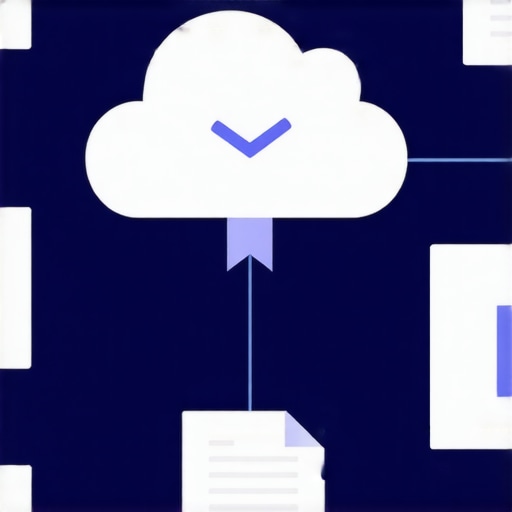
Visualize your seamless workflow with an illustration of integrated cloud-based tools syncing payroll, bookkeeping, and tax filing—highlighting the interconnectedness that keeps everything running smoothly.
Lessons I Wish I Had Learned the Hard Way About Payroll and Compliance
- Automating payroll is a game-changer; manual processes not only increase errors but also drain your time and resources. I once spent hours correcting simple mistakes that could have been prevented with automation. Embracing smart CPA tools early on can save you from avoidable headaches.
- Staying proactive with IRS updates isn’t optional — it’s vital. Ignoring new regulations can lead to costly fines or audits. I learned this the hard way when a small change caught me off guard, emphasizing the importance of regular compliance checks.
- Regular reconciliation isn’t just administrative busywork; it’s your financial health check. Missing discrepancies can snowball into penalties. Now, I schedule monthly reviews to catch issues before they escalate, making my year-end much smoother.
- Partnering with a CPA offers insights you can’t get on your own — especially with complex laws evolving rapidly. Their expertise uncovered deductions I overlooked, saving me thousands and avoiding potential audits.
- Adopting technology isn’t a one-time fix — it’s an ongoing process. I continuously evaluate and upgrade my tools to stay ahead of changing regulations, ensuring compliance and efficiency.
The Tools That Transformed My Payroll Approach
If you’re looking to streamline payroll and stay compliant, here are some tools I trust personally. This resource highlights solutions that eliminated manual data entry for me, drastically reducing errors. For managing payroll costs effectively, check out this article, which details tools that helped me cut expenses while boosting accuracy. When considering comprehensive payroll automation, I recommend these features — they saved me time and minimized compliance risks. For ongoing tax adjustments and legal updates, staying informed through this source keeps me ahead of the curve. Finally, working with a CPA who utilizes smart tools has been invaluable; they help me navigate complexities and optimize my filings. Discover more at this link.
Keep Your Finances Running Smoothly – Your Future Self Will Thank You
Taking control of your payroll systems today is about safeguarding your business tomorrow. The changes in IRS regulations and tax laws are inevitable, but your response doesn’t have to be stressful. Embrace automation, stay educated, and partner with experts who understand the nuances of payroll and compliance. With consistent effort, proactive review, and the right tools, you’ll set yourself up for a successful 2026—and beyond. Remember, your commitment now can prevent costly mistakes and unlock savings that propel your business forward. So, are you ready to make payroll compliance your competitive advantage? Your future self will thank you for it.
What’s Your Next Step? Share Your Payroll Wins or Worries Below!
Have you struggled with any part of payroll management or compliance? Let’s start a conversation—I’m eager to hear your stories and help you find solutions that work. Drop a comment and take the first step toward stress-free payroll in 2026 and beyond.
,