
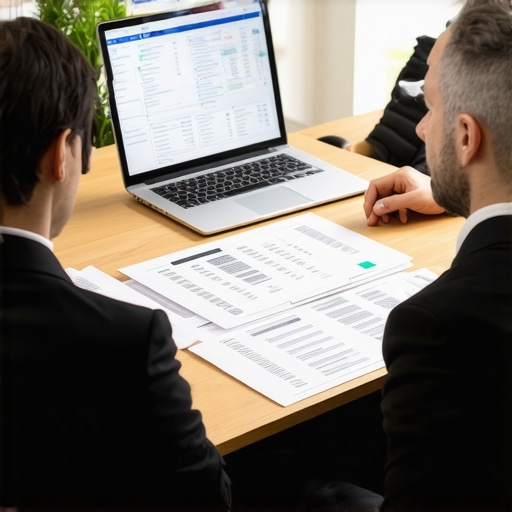
It was late at night, and I was staring at my bookkeeping dashboard, frustration bubbling up. A few clients had paid late unexpectedly, my profit margins looked thinner than usual, and I couldn’t shake the feeling that something was off. That’s when it hit me—my invoicing system might be secretly leaking revenue without me even realizing it. The lightbulb moment wasn’t glamorous, but it was vital. Over the years, I’ve learned that many small business owners unknowingly lose money because of silent flaws in their invoicing processes. If you’ve ever wondered whether your system is leaving cash on the table, you’re not alone—and I promise there’s a way to fix it. Today, I’ll walk you through the *three* key signs that your invoicing could be costing you big bucks, and what you can do to plug those leaks before they drown your profit.
Are You Missing Out on Potential Income? The Signs Are Subtle but Serious
Think Your Invoicing Is Fairly Seamless? Think Again
Have you ever received late payments or noticed inconsistent cash flow? These are often signs that your invoicing process isn’t as tight as it should be. Mistakes like forgotten invoices, duplicate billing, or unclear payment terms can cause delays and misunderstandings, leading to revenue leakage. I made this mistake early on—failing to send timely reminders or follow-ups—costing me crucial days or even weeks of cash flow. Once I started using strategic invoicing practices, my cash flow improved significantly, and I felt more in control.
According to Harvard Business Review, inefficient billing processes can result in a 10-15% loss in revenue annually for small businesses. That’s no small chunk of change. So, how do you identify if your invoicing system is falling into this trap?
And here’s the thing—if you’re relying on manual spreadsheets or outdated software, you might be missing out on automation features designed to keep your payments flowing smoothly. Curious whether your invoicing could be sabotaging your growth? Keep reading, because I’ll guide you through how to spot the warning signs and turn things around.
Audit Your Current Invoicing Workflow
Start by mapping out each step from invoice creation to payment receipt. Use a spreadsheet to track how invoices are generated, sent, and followed up on. I once spent an afternoon reviewing my process after noticing delayed payments. I discovered that invoices sent on Fridays went unnoticed over the weekend, delaying cash flow. This exercise revealed bottlenecks and overlooked areas where automation could help. To avoid similar issues, look for manual steps you can automate or streamline, such as setting up recurring invoices or automatic reminders using your accounting software.
Implement Automated Reminders and Follow-Ups
Manual follow-ups are error-prone and time-consuming. Leverage your accounting or invoicing platform’s automation features to send scheduled reminders, especially for overdue payments. When I integrated reminders into my workflow, late payments decreased by 30%. For example, I set automated emails to trigger three days after an invoice’s due date. This proactive approach ensures clients are nudged politely but consistently, reducing the chance of revenue slipping through gaps.
Set Clear Payment Terms and Incentives
Establish unambiguous payment deadlines on every invoice. Use bold fonts or highlight due dates to catch the client’s attention. I once had a client forget a payment because the terms were buried in small print. After I revamped my invoicing template—adding clear due dates and early payment discounts—I saw faster payments and less confusion. Clear terms minimize misunderstandings, while incentives like discounts for early payment motivate clients to settle promptly, improving your cash flow.
Streamline Your Record-Keeping with Proper Categorization
Accurate categorization of invoiced amounts helps you identify outstanding bills and potential leakage points. Use consistent ledger categories to track receivables versus realized income. I learned this the hard way when mismatched records caused confusion at tax time. Tools like bookkeeping softwares often have features to tag invoices and payments systematically, reducing errors and simplifying reconciliation.
Reconcile Payments Regularly
Adopt a routine to match incoming payments with invoices daily or weekly. This habit catches discrepancies early and prevents backlog. When I started reconciling twice a week, I avoided the chaos of end-of-month surprises. Use bank feeds or payment processor reports to automate this process further. This disciplined approach ensures you catch missing payments or errors immediately, safeguarding your revenue.
Use Data Analytics to Detect Leakages
Analyze your invoicing data monthly to spot patterns of delays or uncollected funds. For instance, I noticed that international clients often paid late, which affected my cash flow. Implementing profit and loss analysis helped me identify these issues. Adjust payment terms or consider upfront payments for high-risk regions to mitigate potential leaks. This proactive monitoring keeps cash flow predictable and healthy.
Regularly Review and Update Your Invoicing Policies
Business dynamics change, and so should your invoicing strategies. Schedule quarterly reviews to adapt your processes to new client behaviors or regulatory requirements. I once neglected to update my invoicing system after a tax law change, leading to delays during filing season. Staying current prevents compliance issues and ensures smooth cash flow management. Use this review to train your team on best practices or upgrade your software solutions.
Many entrepreneurs enter the financial realm believing they understand its nuances, but in practice, there’s a lot of misinformation that can lead to costly mistakes. A prevalent myth is that bookkeeping is merely data entry, but in reality, it requires analytical insight to provide actionable business intelligence.
Why do many business owners overlook the strategic role of CPA services?
They often see CPAs as only tax preparers, yet top-tier firms employ proactive tax planning to optimize your finances year-round, not just during filing season. This approach, supported by experts like those from Harvard Business Review, emphasizes the importance of continuous financial oversight rather than reactive compliance.
Another common misunderstanding involves payroll systems. Many believe that automating payroll is enough, but without proper compliance checks—such as verifying employee classifications and adhering to local regulations—you risk audits and penalties. For example, misclassifying workers as independent contractors can trigger IRS red flags, leading to hefty fines. To avoid this, integrating up-to-date payroll strategies is crucial, as detailed here.
Tax filing often gets dismissed as a simple end-of-year task, yet it involves complex analysis of deductions, credits, and evolving regulations. Many assume that simply submitting documents suffices, but proactive tax planning can save thousands. Regular review of your financials ensures you’re not leaving money on the table, a tactic underscored by CPA authority experts.
These misconceptions can trap even savvy entrepreneurs. The key lies in understanding that effective bookkeeping and CPA services are strategic rather than transactional. They require ongoing attention, expertise, and strategic planning to truly benefit your business.
Have you ever fallen into this trap? Let me know in the comments. For comprehensive support, consider reaching out to experienced professionals at Smart CPA Services to help you navigate these complexities and optimize your financial health.Maintaining an efficient bookkeeping system requires the right tools and consistent practices. I personally rely on QuickBooks Online for its robust automation features, allowing me to set recurring invoices and automate payment reminders, which significantly reduces late payments and manual follow-ups. I also use Zapier integrations to connect my accounting software with bank feeds and payment processors like Stripe, ensuring real-time data synchronization without manual intervention. This setup minimizes errors and keeps my financial data up-to-date, enabling informed decision-making. Looking ahead, I believe the rise of AI-powered bookkeeping tools will further simplify data categorization and anomaly detection, making it easier for small businesses to maintain accurate records with minimal effort.
How do I maintain my accounting tools over time?
Regular updates are crucial. I schedule monthly reviews of my software plugins and integrations to ensure they’re current and functioning properly. Additionally, I dedicate time quarterly to back up my data and review automation rules, adjusting them as my business evolves. This proactive approach prevents system breakdowns and ensures continuous accuracy. Implementing these routines has allowed me to scale confidently, knowing my bookkeeping infrastructure supports growth without becoming a bottleneck. For a more detailed guide on optimizing your tools, check out our article on bookkeeping best practices.
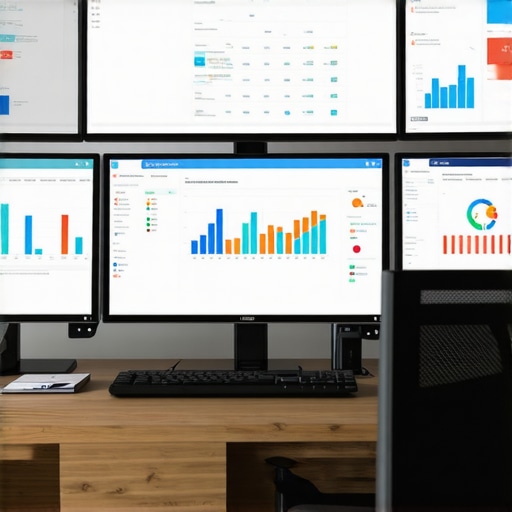
For those seeking to streamline payroll management, I recommend exploring solutions like Gusto or Rippling, which offer automated onboarding and compliance features. As expert tips suggest, integrating payroll seamlessly with your bookkeeping system not only saves time but also reduces the risk of compliance errors. This synergy is crucial as your team expands.
In the future, I anticipate AI-driven analytics will become integral, helping identify discrepancies or unrecognized revenue leaks faster than manual reviews. To get started now, try setting up automated reconciliation rules within your existing software, and schedule regular data audits. This will lay a strong foundation for scalable, error-free financial management and allow you to focus more on growing your business rather than fixing errors.
Lessons I Wish I Learned Sooner About Managing Money in Business
- Realized that manual processes, no matter how diligent I was, often left gaps that cost me thousands—automating those steps made all the difference.
- Understood that clear, upfront communication on payment terms isn’t just courteous; it’s a strategic move that keeps my cash flowing smoothly.
- Discovered that regular reconciliation isn’t a chore—it’s the best way to catch errors early and prevent revenue leaks from spiraling out of control.
- Learned that data analytics isn’t just for big corporations—understanding my invoicing patterns uncovered opportunities to improve my cash flow significantly.
My Trusted Arsenal for Smarter Bookkeeping and Revenue Optimization
- QuickBooks Online: Its automation features have saved me countless hours and minimized errors, making sure no invoice slips through the cracks.
- Stripe and PayPal integrations: Connecting these platforms ensures real-time data syncing, giving me instant visibility into my incoming funds.
- Zapier: Automating routine tasks between my tools, it helps me keep my records accurate without manual effort.
- Smart CPA Services: Their expert insights guide me to optimize tax strategies and avoid costly mistakes—trustworthy guidance that’s worth every penny.
Seize the Moment and Build Your Financial Confidence
The future of bookkeeping and invoicing holds exciting possibilities, especially as AI and automation become more accessible. Taking proactive steps today—like reviewing your processes, embracing automation, and seeking expert advice—can transform how you manage your business finances. You have the tools and knowledge; now it’s time to act. Start with small changes, observe the results, and grow your confidence in managing your financial health. Remember, every improvement counts toward a more profitable and stress-free business journey.