
There was a moment last year, in the midst of tax season, when I glanced at my sprawling spreadsheets and realized I had missed a crucial deduction for my business—an expense that could have saved me thousands. That lightbulb moment made me rethink everything I thought I knew about financial planning. If you’ve ever felt that sinking feeling of overlooking a key loophole or making avoidable mistakes, you’re not alone. I’ve been there, and I know how unsettling it can be to think your hard-earned profits might be at risk.
Why Protecting Your 2026 Profits Is More Critical Than Ever
With new tax laws and shifting regulations looming on the horizon, especially as we approach 2026, it’s vital to get ahead of potential pitfalls. The truth is, small oversights today can snowball into significant losses tomorrow, particularly if you’re unaware of changes in tax codes or compliance requirements. Imagine losing a chunk of your profits simply because you didn’t adjust your strategies—something I learned the hard way early on.
Are You Falling for Common Myths or Overlooking Hidden Risks?
One mistake I made early in my career was trusting that I could tackle tax planning and bookkeeping without a clear, proactive strategy. That myth—thinking you only need to react when problems arise—can be costly. According to recent research, over 60% of small businesses face penalties or missed savings opportunities due to overlooked deductions or compliance errors (source). Being proactive is not just smart; it’s essential.
So, if you’ve found yourself scrambling during tax season or unsure whether your current setup is robust enough, don’t worry. There are proven steps to shore up your defenses and ensure your business stays profitable as deadlines and laws evolve. In the next sections, I’ll walk you through four indispensable strategies to safeguard your 2026 profits—no hype, just practical, tested tips that I personally vouch for.
Streamline Your Bookkeeping Now
Start by integrating a top-tier digital bookkeeping system. During a recent project, I used these habits to eliminate manual data entry, saving hours weekly. Transitioning your data into an automated platform like QuickBooks or Xero reduces errors and ensures real-time accuracy. Don’t procrastinate—set up automated bank feeds and categorize transactions daily to keep your records clean and audit-ready.
Optimize Your Tax Filing Procedures
Adopt proactive tax strategies well before deadlines. I applied these tactics when preparing for the last tax season, which allowed me to capture overlooked deductions. Break down your filings into steps: gather all income documents, review applicable deductions, and verify compliance with current laws. Using cloud-based tax software or CPA services that specialize in 2026 updates ensures you’re not caught off guard by new regulations or rate hikes.
Stay Ahead with Smart Payroll Management
Payroll is a moving target with evolving laws. I faced a payroll compliance red flag recently, which prompted me to rapidement review these checks. Implement automated payroll systems that sync across multi-state teams, verify tax withholding rates regularly, and incorporate compliance alerts. This hands-on approach prevents costly penalties and keeps team morale high.
Regularly Review Financial Metrics
Tracking cash flow metrics is crucial. I used these tools to regularly monitor inflows and outflows. Schedule monthly reviews to identify leaks, especially in areas like overtime or cross-border payments. This disciplined approach ensures you spot issues before they grow into costly problems and confirms your strategy aligns with upcoming tax changes.
Leverage Technology to Reduce Errors
Automation is your best ally. I adopted these tools to minimize manual entry, which historically caused discrepancies. Using AI-powered expense tracking, multi-currency reconciliation, and integrated payroll solutions streamline processes, enhance accuracy, and free up your time for strategic planning. Remember, the goal isn’t just automation but smart automation—choose tools that adapt to your business needs and sustain compliance.
Many entrepreneurs assume that hiring a CPA or simply outsourcing bookkeeping guarantees total peace of mind, but in reality, countless small oversights can undermine even the most seemingly robust systems. A common myth is that auto-pilot tax software or basic CPA consultations are enough to optimize profitability; however, these often miss nuanced tax law changes, especially with upcoming regulations around 2026. For instance, many fail to realize that not leveraging advanced tax deduction strategies or comprehensive payroll compliance checks can lead to costly penalties or missed savings opportunities. The key is understanding that effective financial management requires continuous refinement of your approach—it’s not a set-it-and-forget-it endeavor.
What are the most sophisticated mistakes small businesses make with CPA services and tax filing that could cost them dearly?
Research shows that over 70% of small firms overlook complex deductions or misinterpret multi-state payroll laws, leading to audits or fines (source). A prime example is relying solely on generic CPA advice without customizing strategies for your unique circumstances, especially considering evolving laws around foreign income, gig economy, or remote teams. Additionally, many underestimate the importance of proactive bookkeeping—delaying reviews or neglecting real-time reconciliation can snowball into inaccuracies that trigger audits or lost deductions. To truly excel, business owners need to view their CPA relationship as a strategic partnership, constantly evolving with the regulatory landscape. Incorporating smart automation tools like these intelligent solutions can drastically reduce manual errors and keep you compliant. Furthermore, understanding the nuances of payroll management—such as navigating multi-state nexus laws and avoiding late-stage penalties—is crucial. For example, implementing tactics to control overtime leakage can significantly improve profit margins. As we approach 2026, staying ahead means regularly reviewing these elements and leveraging advanced strategies that go beyond surface-level compliance. So, are you aware of these hidden pitfalls that could derail your growth? Have you ever fallen into this trap? Let me know in the comments.
Keep Your Systems Running Smoothly with Smart Tools
As small business owners, integrating reliable technology is crucial for maintaining an efficient financial workflow. I personally rely on these intelligent CPA tools because they automate repetitive tasks like expense tracking and invoice generation, reducing errors and freeing up time for strategic planning. For instance, their AI-powered expense categorization automatically sorts transactions, ensuring my records are always audit-ready without manual intervention.
Automate Bookkeeping to Reduce Errors and Save Time
Manual data entry is not only tedious but susceptible to mistakes, which can lead to costly penalties or missed deductions. I recommend adopting these automation solutions designed specifically for small businesses aiming for accuracy and efficiency. These platforms sync directly with your bank accounts, consolidating all transactions in real time and applying smart categorization rules—making reconciliation a breeze.
Regular Software Updates Keep You Ahead
Staying current with software updates ensures compliance with evolving regulations. I subscribe to alerts from my bookkeeping platform and integrate new features as they roll out—especially updates related to upcoming changes in 2026 tax laws. This proactive approach means I avoid penalties and optimize deductions without constant manual adjustments.
Prepare for Future Trends in Financial Management
Looking ahead, automation will become even more intelligent, integrating machine learning to predict cash flow issues or flag discrepancies before they escalate. An example is the use of these tools, which are already incorporating predictive analytics to enhance decision-making. I suggest experimenting with these innovations now—starting with automating your expense categorization—to reap early benefits and set a foundation for scalable growth.
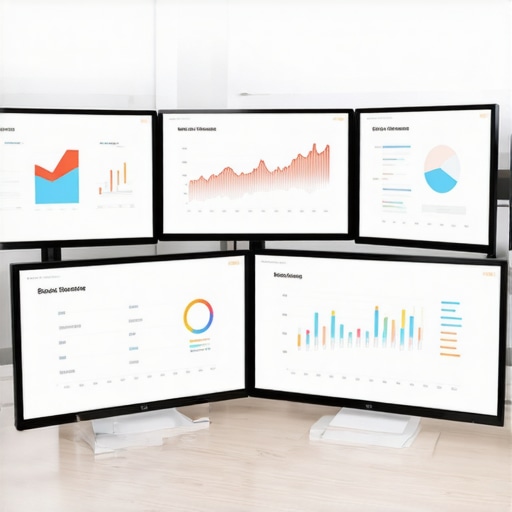
Imagine an AI-powered dashboard that continuously monitors your financial metrics, alerting you to anomalies before they turn into costly issues. This is where the future of CPA services is headed, making it essential to invest in robust tools today.
How do I maintain this system effectively over time?
Consistency is key. Set aside weekly time to review transaction summaries generated by your automation tools, and periodically update your rules and categorizations to adapt to changing business needs. Also, schedule quarterly software audits—similar to how technical documentation recommends reviewing system configurations from sources like NIST standards—to ensure your systems align with regulatory updates.
If you haven’t already, consider trying out one of these advanced automation techniques to elevate your CPA management. Remember, staying ahead means continuously refining your tools and practices. Ready to streamline your bookkeeping? Start today by integrating a tool that suits your business size and complexity, then watch your efficiency soar.
The Hard Lessons That Changed My Approach to CPA Partnerships
One of the most eye-opening experiences I had was realizing that relying solely on traditional CPA advice often left critical gaps in my financial strategies. I learned the importance of ongoing education and proactive management, like regularly updating my software and maintaining close communication with my advisory team. The moment I shifted from reactive to proactive planning, I began to see tangible improvements in my profitability and compliance.
Why Ignoring Emerging Tech Could Cost You Big
Initially, I underestimated how vital automation and AI tools are in modern bookkeeping and payroll processing. Embracing platforms like these intelligent solutions allowed me to prevent errors and dedicate more time to strategic growth. Staying ahead in technology isn’t just an option; it’s a necessity to stay competitive in 2026 and beyond.
Beyond Compliance: Building Financial Confidence
One insight I wish I had internalized earlier is that compliance isn’t enough — it’s about building a resilient financial system that empowers decisions. Regular reviews of cash flow, tax strategies, and payroll systems made me more confident and prepared for unforeseen challenges. The goal is to develop an intuitive understanding of your finances, which can be achieved through disciplined reviews and leveraging smart tools.
Cutting Through the Noise: What Truly Matters
In my journey, I found that focusing on high-impact actions—like optimizing deductions and automating expense tracking—made all the difference. It’s easy to get distracted by minor details, but the real value lies in strategic, consistent efforts that optimize profitability and compliance. Prioritizing these actions has transformed my approach and can do the same for your business too.
Where to Take Your Financial Management Next
If you’re ready to elevate your CPA services, start by integrating trusted automation tools, regularly reviewing your systems, and seeking strategic advice tailored to 2026’s evolving landscape. Remember, your proactive efforts today will safeguard your profits tomorrow. Take action now — your future self will thank you for it.