
I remember the moment vividly. It was late April, and I was frantically scrambling to gather documents for my LLC’s tax filing. Suddenly, I realized I’d overlooked a crucial deduction from the previous year—an oversight that could have cost me hundreds, maybe thousands, more in taxes. That lightbulb moment made me question everything I thought I knew about managing my business finances. Since then, I’ve learned the hard way that a few common missteps can significantly dent your bottom line, especially as we approach 2026, when new tax rules will take effect. Are you confident you’re not making mistakes that could be draining your LLC’s finances? Today, I promise we’ll uncover the top four tax filing errors small businesses often make—and how to steer clear of them, saving yourself money and stress.
Why Small Business Owners Should Pay Attention to Tax Filing Pitfalls
Tax season can feel like navigating a labyrinth—confusing, overwhelming, and risky if you don’t know the way out. Trust me, I’ve been there. Early on, I made a costly mistake by mixing personal and business expenses because I didn’t have a proper bookkeeping system in place. It seemed harmless at the time, but it flagged me for an audit later—and I lost valuable deductions as a result. That experience taught me the importance of meticulous bookkeeping and staying updated on evolving tax laws. With the IRS constantly changing regulations—by 2026, several new rules will impact LLCs—having a clear strategy is more vital than ever. Neglecting key filing aspects can lead to penalties, missed deductions, or even audits, which no small business wants. According to a recent report from the IRS, small businesses that fail to comply with new tax measures risk significant fines, sometimes up to 25% of owed taxes. So, avoiding these mistakes isn’t just about saving a few bucks; it’s about protecting your entire operation.
Is Your Tax Strategy Punk or Perfect? Here’s How to Know
If you’re skeptical about whether these mistakes could be lurking in your processes, you’re not alone. Many small business owners aren’t aware of how mistakes early on can snowball into bigger problems later. My initial misstep was assuming that I could handle everything manually, but I soon realized that manual data entry is prone to errors—errors that smart CPA tools can prevent. Tools like [smart CPA services](https://smartcpaservices.com/top-tax-filing-strategies-with-smart-cpa-services-in-2024-2) can automate your tax calculations, help you stay compliant, and maximize deductions, all while reducing manual effort.
Now that I’ve set the scene, let’s dive into the specific mistakes that could be costing your LLC money in 2026—and what you can do about them. Stay with me, because these insights could be game-changers for your financial health.
Automate Your Bookkeeping to Eliminate Errors
Back when I first started, I manually entered expenses into my spreadsheets, thinking I was saving costs. One night, amidst a busy week, I caught a small typo that led to a significant mistake on my tax report. The lesson? Manual bookkeeping is prone to errors. To prevent this, invest in reliable bookkeeping solutions that integrate with your financial accounts, ensuring accuracy and saving time. These tools automatically categorize expenses, flag inconsistencies, and generate reports, giving you peace of mind and freeing up hours for growth instead of correction.
Implement Smart Payroll Systems for Compliance
My midyear payroll review uncovered overlooked deductions and misclassified remote worker payments. It was chaotic but eye-opening. Using smart payroll management tools helped me automate payroll calculations, tax deductions, and reporting, reducing compliance risks. Think of payroll automation like a well-tuned engine—smooth, efficient, and reliable. It also helps you stay ahead of the 2026 changes, such as multi-state tax compliance and crypto reporting, by automatically updating with new regulations.
Streamline Your Tax Filing with Technology
During my first filing, I mixed personal and business receipts, missing deductions and attracting unwanted IRS attention. Since then, I’ve adopted smart CPA services that bundle tax prep with real-time bookkeeping. This approach transforms tax season from a frantic scramble into a manageable process. Integration simplifies data transfer, minimizes errors, and immediately highlights missed deductions or red flags. Think of it as having a financial GPS guiding you through the tax landscape, avoiding pitfalls and optimizing savings.

Stay Updated on Tax Changes to Protect Your Business
When the new 2026 regulations loomed, I felt overwhelmed—until I attended a webinar that broke down the upcoming changes into actionable steps. Staying informed is crucial. Regularly review updates from trusted sources and consider expert CPA advice to adapt proactively. Set calendar reminders to revisit tax strategies bi-annually; this ensures your processes evolve parallel to legal changes, avoiding penalties and missed deductions.
Don’t Wait—Create a Systemized Approach
One rookie mistake I made was delaying system setup until tax season. It led to chaos and stress. The solution? Develop a structured routine now: automate data syncs, schedule quarterly reviews, and keep organized records. Use tools that align with your workflow—like these recommended tools—to stay ahead. Setting up these systems early ensures that come 2026, you’re compliant, efficient, and confident in your financial management.
While many believe they have payroll and tax processes figured out, there’s a significant degree of nuance that often goes unnoticed—especially when it comes to leveraging modern tools and understanding complex compliance requirements. One common misconception is that manual payroll adjustments or basic bookkeeping suffice, but in reality, relying on outdated methods can lead to costly errors. For example, neglecting to update payroll software with the latest regulations might cause you to miss critical deductions or misclassify workers, risking hefty penalties. Advanced automation technologies, such as those discussed in [efficient payroll strategies](https://smartcpaservices.com/efficient-payroll-strategies-using-smart-cpa-tools-in-2024), can drastically reduce these risks, but only if properly implemented and maintained.
Many entrepreneurs also overlook the importance of understanding the subtleties surrounding tax codes—like how multi-state LLCs face complex nexus rules under new regulations. It’s not just about filing on time; it’s about strategic planning to minimize liability. This is where many fall into the trap of thinking that straightforward filing methods are sufficient, ignoring the deeper layers of compliance. According to CPA expert Sarah Williams, “Small businesses often underestimate how evolving tax laws impact their filings, especially with the 2026 updates on remote work and multi-state operations.” Therefore, partnering with knowledgeable CPA services and using integrated solutions can make all the difference.
Beware of the trap of complacency, especially with bookkeeping. Manual entries or inconsistent record-keeping might seem harmless, but they set the stage for discrepancies that can trigger audits. Interestingly, a report from the IRS highlights that errors in expense categorization and inconsistent data entry significantly increase audit risks. To avoid this, adopting [smart bookkeeping solutions](https://smartcpaservices.com/top-bookkeeping-solutions-for-small-businesses-in-2024) ensures accurate and real-time financial data, giving you peace of mind.
Thinking ahead, how does this impact your approach to payroll and tax filing? Are you proactively updating your systems and knowledge base to align with upcoming legal changes? Remember, the difference between a smooth tax season and facing penalties often hinges on understanding these hidden nuances. Regularly reviewing your processes and consulting with experts like your CPA can safeguard your business.
Have you ever fallen into this trap? Let me know in the comments. Embracing continuous learning and technology is key to avoiding these pitfalls and keeping your small business on track.Managing your business’s finances efficiently requires the right tools and consistent maintenance. Over the years, I’ve honed my setup to ensure accuracy, compliance, and scalability, especially with upcoming changes in tax laws for 2026. One game-changer has been adopting integrated bookkeeping solutions like the best bookkeeping software for small businesses in 2024. I personally use these tools because they automate expense categorization, reconcile bank feeds automatically, and generate clear reports—eliminating manual data entry errors. This automation not only saves time but also minimizes costly mistakes that could trigger audits or missed deductions.
Another critical aspect is payroll management. I transitioned to smart payroll systems which help me stay compliant with complex regulations, especially as remote and multi-state work become more prevalent. These systems automatically calculate taxes, handle filings, and adjust for changes in 2026 regulation updates. The key is not just automation but regularly updating and maintaining these systems to keep pace with evolving rules.
Tax filing has also become significantly less stressful thanks to integrated CPA services. I sync my bookkeeping data in real-time with my tax prep software, which helps me identify potential deductions early and avoid last-minute scrambling. This proactive approach is essential as new regulations in 2026 will introduce stricter reporting requirements, especially for crypto and remote workers. Staying ahead means setting up systems that are easy to maintain over time, not just during tax season.
How do I maintain my financial tools over time?
The secret lies in routine check-ins and updates. I schedule quarterly audits of my bookkeeping and payroll systems, ensuring all software is current with the latest regulation updates. I also review my setup against upcoming legislation using resources like expert CPA advice. This habit prevents errors and keeps my processes smooth, scalable, and compliant. Plus, investing in automation features that grow with your business can save hours and money in the long run. For example, leveraging these payroll automation features can cut your payroll processing time in half, giving you more bandwidth to focus on growth.
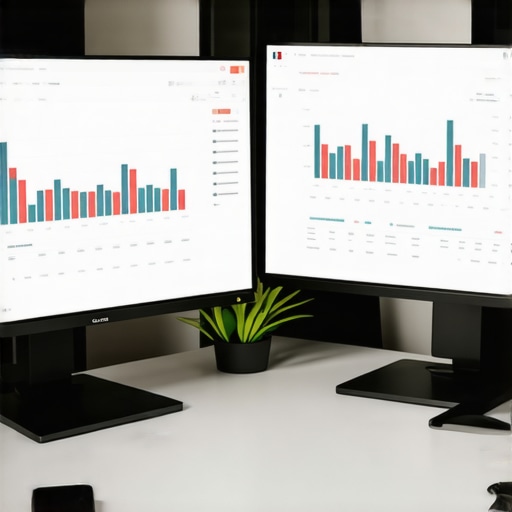
Looking ahead, I predict that AI-powered bookkeeping and tax tools will become the norm, offering even deeper insights and predictive analytics to catch issues before they happen. Technologies like machine learning will help small businesses anticipate compliance hurdles and optimize deductions automatically. To stay on top, I recommend trying out advanced features in your current systems now, such as automated reconciliation or real-time tax deduction alerts, to build familiarity before the 2026 wave of regulation updates hits. For example, exploring the features offered in smart payroll management tools can set you up for future success. Start small—perhaps by automating your expense reconciliation—and gradually expand your automation reach. This proactive maintenance will keep your finances running smoothly and prepare your business for any surprises ahead.
The Hardest Lesson I Learned About payroll,smartcpaservices,tax filing,CPA services,bookkeeping
One of the most eye-opening moments in my journey was realizing how a small neglect in bookkeeping could cascade into costly audits and missed deductions, especially with the 2026 tax changes looming. That experience taught me that diligent, proactive management isn’t a luxury—it’s a necessity. Investing in reliable bookkeeping solutions early on can be a game-changer, helping you identify errors before they become problems.
Lessons that Changed How I Handle payroll and taxes
The realization that manual payroll adjustments risk non-compliance pushed me to adopt smart payroll management tools. Keeping these systems updated ensures you stay ahead of the 2026 regulation shifts, especially with remote and multi-state teams. These tools built my confidence and reduced errors, allowing me to focus on growth rather than correction.
How I learned to streamline tax season with technology
Attempting to manually reconcile receipts and expenses was a nightmare that almost derailed my filing. Discovering integrated CPA services transformed this chaos into clarity. Automating data transfer and real-time deductions meant I was prepared and confident, not scrambling at the last minute. This approach now saves me hours each season, making compliance stress-free.
My secret to staying compliant with evolving laws
Perpetually chasing updates was exhausting until I found trusted sources like expert CPA advice. Setting regular reminders to review changes ensures my processes adapt smoothly, avoiding penalties and missed opportunities. Staying informed now feels empowering rather than overwhelming.
Key insight: Regular system reviews are lifesavers
Initially, I delayed formalizing my financial systems, thinking I could fix things later. That mistake cost me time and anxiety. Now, I schedule quarterly audits and updates with smart tools that grow with my business. This habit keeps me compliant, efficient, and ready for whatever the future holds.
Curated toolkit for efficient LLC management
- Smart CPA Services: Their comprehensive approach simplifies both payroll and tax filing, ensuring I never miss a deadline or deduction.
- Top Bookkeeping Solutions: I trust these for accurate, real-time financial data that keep me audit-ready at all times.
- Payroll Automation Features: Automating deductions and filings reduces errors and frees my team to focus on strategic growth.
- Trusted CPA Advice: Regular consultations help me navigate complex laws and upcoming changes with confidence.
Your Next Step Towards Peace of Mind
Managing payroll, taxes, and bookkeeping for your LLC doesn’t have to be overwhelming. Embracing the right tools and habits now prepares you for the 2026 changes and beyond. Start small—review your systems, automate what you can, and stay informed. Your future self will thank you for the proactive steps you take today.