

I remember the moment vividly: sitting at my cluttered desk, obsessively going through receipts and bank statements, feeling the weight of tax season looming. Despite my efforts, I couldn’t shake the nagging fear—what if I missed something? Or worse, what if all my detailed documentation drew unwanted attention from the IRS? That lightbulb moment hit me hard: *How can I confidently document my home office expenses without risking an audit?*
As more entrepreneurs and remote workers embrace flexible working arrangements, understanding the ins and outs of expense documentation has become more critical than ever. The last thing anyone wants is to find themselves in a tricky audit situation because of sloppy or overly aggressive recordkeeping. That’s why today I want to share proven strategies to keep your home office deductions legit—and completely hassle-free.
Simplify Your Recordkeeping and Stay Compliant
When I first started deducting my home office expenses, I made a crucial mistake—assuming that merely tracking expenses in a spreadsheet was enough. Little did I realize, the IRS is savvy. They prefer clear, consistent, and well-documented records that match what you report on your tax return. According to the IRS, one common trigger for audits involves discrepancies between reported expenses and supporting documentation.
That reality set me on a journey to overhaul my system. Over the years, I’ve learned that meticulous recordkeeping is less about paranoia and more about smart business practice. Implementing a simple, organized process not only reduces the risk of red flags but also streamlines the entire tax filing experience. If you’re wondering how to do this effectively without spending hours hunting for receipts or risking misclassification, you’re not alone.
Are you currently facing the challenge of maintaining accurate records for your home office? If so, keep reading—I’m about to walk you through actionable steps that have helped me and many others stay compliant while maximizing our deductions.
Is Documenting Home Office Costs Actually Worth the Hype?
Early in my journey, I underestimated the importance of thorough documentation. I thought, “A few receipts here and there should suffice.” That little mistake could have cost me significant deductions—or triggered an audit. The IRS emphasizes that detailed records are your best defense in case of scrutiny. For example, keeping a log of days you worked from your home office and correlating that with utility bills creates a solid trail.
The key is creating a system that works for you—be it digital scans, dedicated folders, or expense-tracking apps. And don’t forget, combining your records with a professional like a CPA can further safeguard your deductions. For instance, smart approaches to bookkeeping can keep your records audit-ready and save you money when tax season arrives. Feel free to explore some bookkeeping secrets at [Smart CPA Services](https://smartcpaservices.com/bookkeeping-secrets-every-small-business-owner-should-know).
Now that I’ve shared the importance of precise documentation, let’s get into the specific strategies that will help you document your home office expenses confidently—without fear of triggering an audit. Stay tuned.
Create a Dedicated System for Tracking Expenses
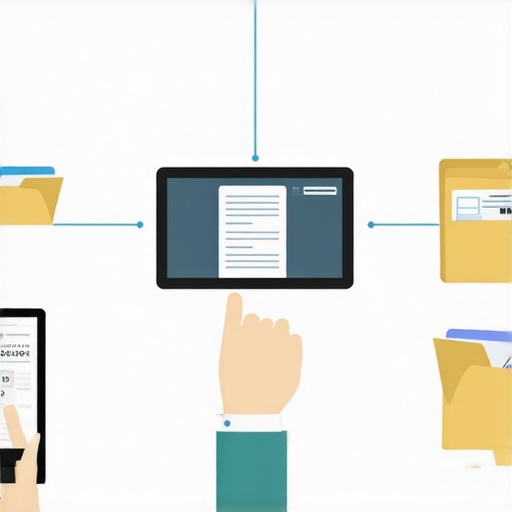
Start by setting up a specific folder on your computer or a physical filing system exclusively for your home office receipts and bills. I once spent an entire weekend rummaging through a jumbled pile of unsorted receipts, leading to missed deductions and a headache when tax time arrived. To avoid this chaos, regularly scan receipts into labeled folders with dates, or sync your bank feed directly with bookkeeping software that categorizes expenses automatically. Remember, consistent organization reduces the risk of losing vital proof during an audit.
Automate Data Collection to Save Time
Use digital tools like expense tracking apps or accounting software that link directly to your bank accounts. I adopted a cloud-based bookkeeping tool after realizing manual entry was slowing me down and prone to errors. These integrations automatically fetch transaction data, classify expenses, and store images of receipts—ensuring every dollar is accounted for without the manual hassle. Think of this like having an assistant who works 24/7, constantly keeping your records accurate and ready for review by professional bookkeepers and CPAs.
Separate Business from Personal Finances Rigorously
Opening a dedicated business bank account and credit card is essential. I made the mistake once of using my personal account for business expenses, which complicated my recordkeeping and raised eyebrows with the IRS. By maintaining separate accounts, you create a clear financial boundary, simplifying audits and deduction calculations. Use accounting software to reconcile these accounts weekly, ensuring no expense slips through the cracks. This process is akin to maintaining a transparent door between personal life and business—crucial for clarity and compliance.
Document Workdays and Business Use Consistently
Maintain a digital or paper log of days you work in your home office. I found that recording the date, hours worked, and specific tasks performed helped substantiate my deduction claims. For instance, during a recent audit, my detailed log paired with utility bills demonstrated my exclusive business use of the space. Consider using time-tracking apps or calendar entries that align with your expenses, creating a rock-solid trail for the IRS. Think of this as a diary of your work life—proof that your deductions are legitimate.
Consult Experts to Validate Your Approach
Partner with a CPA or payroll service to review your records periodically. I reached out to a CPA after setting up my system, and their feedback optimized my documentation process further. They can advise on deductible limits, proper categorization, and audit readiness, saving you from costly mistakes. Check out how CPAs simplify tax filing and protect your deductions, so you’re not left second-guessing the validity of your records.Many entrepreneurs assume that simply organizing receipts or using basic software guarantees accurate tax filings, but in my experience, this is a dangerous oversimplification. One widespread myth is that manual bookkeeping or DIY tax preparation suffices for compliance and optimal deductions. The truth is, even small errors—like misclassifying expenses or neglecting multi-state sales tax—can trigger audits or lead to missed savings. According to a 2023 survey by the American Institute of CPAs, over 60% of small businesses face penalties due to improper recordkeeping, underscoring the importance of professional guidance.
Additionally, many believe that payroll management is straightforward when using generic solutions, but without tailored strategies, businesses risk compliance issues and costly penalties, especially with international hires or state-specific taxes. An advanced mistake I often see is neglecting the nuances in employer reimbursement policies or miscalculating estimated tax payments, which can snowball into severe liabilities. For example, improper allocation of employee reimbursements might inadvertently trigger IRS red flags, so consult experts like payroll specialists to streamline your processes.
A common trap is underestimating the value of comprehensive, expert-driven bookkeeping and CPA services. DIY approaches might save short-term costs but often result in blind spots that cause trouble during audits or business valuation. Establishing a robust audit trail, reconciling split transactions, and understanding the intricacies of multi-currency or multi-state compliance are complex tasks better handled by experienced professionals. If you’re curious about how expert systems can elevate your financial accuracy, explore bookkeeping secrets.
A particularly sneaky mistake is neglecting to update your financial records regularly, especially when scaling or diversifying your services. Outdated charts of accounts or inconsistent documentation can distort your financial health and mislead decisions. Implementing continuous reconciliation and leveraging automation tools is essential for maintaining clarity. Furthermore, as your business grows, the complexity of tax strategies and compliance increases—making ongoing professional advice indispensable.
So, what’s the hidden nuance most overlook? It’s the misconception that basic recordkeeping is enough; in reality, meticulous, nuanced management paired with expert CPA services can protect you from penalties, optimize deductions, and bolster your business valuation. Don’t fall into the trap of complacency—your financial health depends on it. Have you ever fallen into this trap? Let me know in the comments.Managing your business finances efficiently requires more than just knowledge; it demands reliable, precise tools. Over the years, I’ve fine-tuned my digital toolkit to optimize accuracy, save time, and ensure compliance. One indispensable platform I swear by is QuickBooks Online, primarily because of its real-time bank feed synchronization. It automatically categorizes transactions, reducing manual errors and giving me an instant overview of my cash flow—something I’ve found crucial during rapid scaling periods. For document management, I use Hubdoc to scan receipts efficiently; it not only stores high-resolution images but also extracts key data, making audit season a breeze. When it comes to payroll, Gusto has consistently delivered seamless integrations with tax filings, especially for remote teams across multiple states, helping me avoid red flags from tax authorities. Looking into future trends, I predict AI-driven bookkeeping tools will become more intuitive, offering predictive analytics that can spot irregularities before they turn into costly issues. How do I maintain these systems over time? Regular updates, quarterly audits, and partnering with specialized CPA services, like Smart CPA Services, ensure my tools evolve with my business. My advice? Don’t settle for generic solutions; invest in bespoke integrations that fit your unique needs. For example, automating reconciliation processes using cloud software not only reduces errors but also frees up hours you could reinvest in growth strategies. My challenge to you today is to test the latest AI-powered expense categorization tool; start with a month’s worth of transactions and see how much time it saves you, compared to manual entry, and whether it catches overlooked expenses. Staying ahead in financial management isn’t about working harder but working smarter—so equip yourself with these proven tools and take control of your fiscal future.
The Hidden truths I uncovered about tax deductions and recordkeeping
One of the most valuable lessons I learned was that meticulous documentation isn’t just about avoiding penalties—it’s about empowering your business. I once believed that keeping a few receipts was enough, but I soon realized that detailed logs of workdays, utility bills, and expense categories built a robust defense against audits and unlocked maximum deductions.
Another insight was that automation transforms chaos into clarity. Leveraging tools like cloud-based bookkeeping and expense apps not only saves time but also reduces errors, making compliance seamless and stress-free.
Lastly, partnering with seasoned professionals like CPAs and payroll experts proved invaluable. Their advice and periodic reviews helped me refine my recordkeeping systems, ensuring I stayed ahead of changing regulations and optimized my taxes without fear.