

I’ll never forget the time I received an audit notice and realized I hadn’t kept proper documentation for several business meals. The sinking feeling in my stomach was all too real—I knew I was risking losing those deductions, which could mean paying hundreds or even thousands in extra taxes. That lightbulb moment made me realize just how crucial it is to have a solid system for documenting business meals, especially when you’re busy running your small business.
Why Proper Meal Documentation Can Make or Break Your Audit Defense
Here’s the truth: the IRS scrutinizes meal deductions more closely than most other expenses. According to a report by the IRS, meal and entertainment expenses flagged during audits often get disallowed due to inadequate records. Yet, many small business owners still underestimate this risk, thinking a quick note on a napkin or a vague calendar entry will suffice. Spoiler alert: it won’t.
In my early days, I made the mistake of relying on memory and scattered receipts, assuming the IRS would never notice. That was a costly lesson. Now, I know that meticulous documentation isn’t just about avoiding penalties; it’s about defending your hard-earned money. Whether you’re hosting client meetings or discussing partnerships over lunch, having detailed records can be the difference between a smooth audit and a costly penalty.
Is It Really Worth the Extra Effort?
Absolutely. Maintaining good records might seem like a chore, but it’s a small price to pay for peace of mind. Plus, there are simple ways to streamline this process—think digital expense tracking apps or organized spreadsheets—that can save you hours during tax season. If you want to learn more about how to maximize your deductions and keep audit-proof records, check out our tips on tax filing efficiency.
Have you faced the challenge of documenting meals for your business? If so, you’re not alone. The good news is, with a few strategic steps, you can turn this daunting task into a straightforward part of your routine. Next, we’ll explore practical methods to keep your meal records irrefutable—so stay tuned.
,
Create a Consistent Record-Keeping Routine
Start by establishing a daily habit of immediately recording meal details after each business meeting or client lunch. Use a dedicated notebook, digital note, or expense tracking app to log the date, location, attendees, purpose, and amount spent, reducing reliance on memory. During my early freelancing days, I kept a small notebook in my bag, jotting down notes right after each meal, which saved me during an audit when I realized my digital records were incomplete. Now, I use an expense app that syncs with my bank account, streamlining this process and ensuring accuracy.
Collect and Digitize Receipts Right Away
Always request digital receipts when possible, and scan or photograph paper receipts immediately. Organize these images into folders labeled by month or client to simplify retrieval. For instance, I once found a forgotten paper receipt months later—by then, it was faded and illegible, causing a headache at tax time. By digitizing receipts immediately, I avoided similar issues, making my records audit-proof and reducing stress during tax filing season. Using apps like Expensify can automate receipt capture and classification, saving time.
Separate Personal and Business Expenses
Maintain distinct credit cards or accounts for business meals to prevent commingling of personal and business expenses. Label business cards with clear tags in your online banking system. When I upgraded my business account, I kept a separate credit card solely for client meals, which made categorization straightforward. This approach simplifies audits and clarifies deductible expenses, boosting confidence with your CPA and avoiding penalties.
Use Clear and Specific Descriptions
When logging each meal, include the purpose—such as “Client meeting for project discussion”—and note who attended. Avoid vague entries like “lunch.” During a recent review, I realized vague notes led to questioning from my CPA. Now, I include detailed notes, which make defense easier if audited. Digital expense tools often allow custom fields to capture these details, making compliance effortless.
Leverage Automation and Integration Tools
Integrate your expense tracking app with your accounting software to automatically categorize and archive meal expenses. Automating this step ensures accuracy and saves hours during tax time. For example, I integrated my app with my cloud accounting system, which imported meal expenses daily, reducing manual entry errors. Invest in automation solutions like automation secrets to make your record-keeping seamless and reliable.
Regularly Reconcile and Review Records
Set a weekly reminder to review your meal logs and receipts against your bank statements. This practice catches missing entries or discrepancies early, preventing surprises at year-end. During my monthly review, I detected a duplicated expense that could have triggered an audit flag. Reconciliation tools within accounting software, such as those discussed in spotting duplicate payments, can aid in maintaining clean, audit-ready records. Consistent review boosts your confidence and preparedness.
Maintain a Backup System
Store digital copies in a secure cloud service to prevent data loss from hardware failures or cyber threats. Regularly back up your records and receipts to platforms like Dropbox or Google Drive. I once lost a batch of paper receipts due to a flood, but since I had digitized and stored copies securely, I recovered all critical data swiftly, avoiding potential audit complications. Secure backups ensure your documentation remains intact and accessible when needed most.
Many small business owners believe that diligent data entry and timely tax filings are enough to keep their finances in check. However, from my experience and deep dive into industry nuances, I’ve discovered that most misconceptions lie beneath the surface. One common myth is that manual bookkeeping is sufficient as long as records are kept, but the reality is that manual processes are prone to errors and oversights that can cost thousands during audits or tax season. Automated tools and integration platforms are vital for accuracy, yet many overlook their importance. For example, relying solely on Excel spreadsheets often leads to discrepancies, especially when managing multi-entity structures or remote teams. Consider the pitfalls of not properly reconciling accounts—studies show that unbalanced books are a leading sign of impending audit risks, as highlighted in recent CPA industry reports.
Another misconception surrounds CPA services being generic rather than tailored. Many owners think that choosing the cheapest CPA or tax preparer suffices, but experts emphasize the value of specialized knowledge—like understanding payroll intricacies or IRS audit triggers—that can save money in the long run. For instance, misclassifying contractor payments or neglecting to leverage tax credits like R&D can lead to costly penalties and missed opportunities.
Advancing to a more complex level, the nuances of payroll management often trip up businesses. Employing outdated or one-size-fits-all payroll solutions neglects regulatory changes, multi-state compliance, and employee classification challenges. This oversight can trigger penalties or employee dissatisfaction. Effective payroll strategies involve not just compliance but also optimization—something niche platforms like payroll management tips detail thoroughly.
Furthermore, many underestimate the importance of proactive tax planning versus reactive filing. Waiting until tax deadlines arrive can result in missed deductions and higher liabilities. Advanced small business owners collaborate with CPA services that integrate tax strategy throughout the year, not just during filing season, ensuring smoother processes and optimized results. Examine how proper planning reduces the dreaded “tax-time panic” and improves cash flow stability.
One critical ‘oops’ most overlook is the assumption that audit risk is uniform across all expenses. In reality, areas like home-office deductions or vehicle expenses carry specific red flags, especially if not documented thoroughly. The IRS’s recent crackdown on personal-asset deductions underscores this vulnerability. Therefore, maintaining meticulous records and understanding what triggers audits—such as expenses exceeding industry averages—is crucial. For comprehensive insights, explore our tax filing efficiency tips.
Ready to refine your financial systems? Ensuring your bookkeeping, CPA partnerships, payroll, and tax strategies are aligned isn’t just about compliance—it’s a competitive advantage. Dive deeper into bookkeeping secrets that can transform your approach. Just remember, the devil is in the details, and overlooking these nuances can be costly. Have you ever fallen into this trap? Let me know in the comments.
How do I maintain my financial systems over time?
Investing in the right tools is vital for long-term success in bookkeeping, payroll, and tax filing. Personally, I rely heavily on automated cloud-based software such as QuickBooks Online for integrated bookkeeping, which seamlessly connects with my bank accounts and credit cards, reducing manual data entry errors. This setup ensures that my records are always up-to-date and audit-ready. Additionally, I use automation solutions that help close books quickly, saving me valuable time during peak tax season.
For payroll management, I prefer platforms like Gusto because of their user-friendly interface and compliance features, especially as my business grows and multi-state payroll becomes more complex. Regularly updating these tools and integrating them with my accounting system is crucial for maintaining accuracy and avoiding costly mistakes such as duplicate payments or misclassified expenses.
Future Trends in Financial Software
Looking ahead, I believe AI-driven analytics and machine learning will revolutionize bookkeeping and payroll management, providing real-time insights and predictive troubleshooting to preempt issues before they trigger penalties. To stay ahead, small business owners should start exploring these emerging capabilities now, integrating AI tools into their existing systems for greater efficiency and accuracy.
Strategies for Long-Term Success
Beyond just choosing the right tools, implementing a weekly reconciliation routine and maintaining secure backups are essential practices. Automating bank reconciliations using platforms like bank feed integrations prevents the buildup of errors and ensures your records accurately reflect your financial reality. Regular review cycles help identify discrepancies early, saving time and stress later on.
To get started, I recommend trying out automated receipt scanning apps like Expensify, which can link directly with your accounting and expense management systems. Start small—perhaps with one aspect of your bookkeeping—and observe how automation reduces errors and saves you hours each month. If you’re unsure about setting up these systems or want tailored advice, consider reaching out through our contact page.
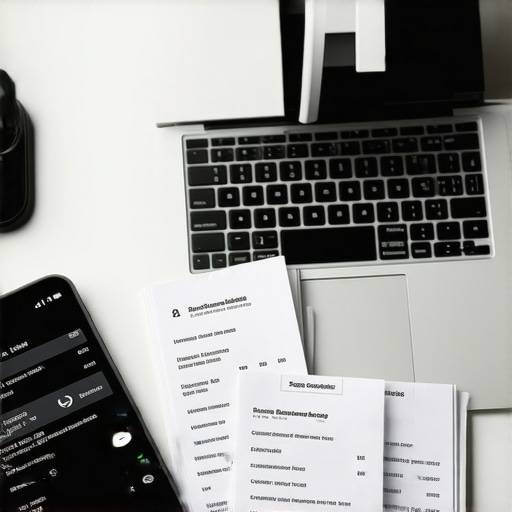
In an industry where accuracy is paramount, neglecting to keep your tools updated or overlooking automation opportunities can cost you thousands. Stay proactive, keep your systems integrated, and always look toward emerging technologies to stay ahead of bookkeeping challenges. Remember, consistent maintenance now pays off with fewer headaches come tax time. Want expert help? Discover how professional CPA services can streamline your processes and ensure compliance year-round.
What I Wish I Knew About Accurate Record-Keeping Early On
I once believed that saving receipts and jotting notes was enough—until a close call with an audit proved otherwise. The lightbulb moment was realizing that meticulous, digitized documentation can mean the difference between peace of mind and costly penalties. Having a system that captures every detail of business meals and expenses right away is invaluable; relying on memory or scattered paper trails is a risk you can’t afford.
– The Power of Automation Over Manual Input
Transitioning from manual spreadsheets to automated tools like expense apps and cloud accounting transformed my approach. I learned that automating receipt scans and bank feeds not only saves time but drastically reduces errors that could lead to audit flags. This shift gave me confidence that my records were both comprehensive and compliant, and it can do the same for you.
– Regular Checks Are Your Best Defense
Setting weekly review routines uncovered discrepancies early before they snowballed. Reconciliation tools integrated with my software allowed me to spot duplicate transactions or missing entries effortlessly. Developing this habit means fines and corrections become rare visitors in your financial life, giving you peace of mind and cleaner books.
– Embracing Continuous Learning Is Essential
My biggest breakthrough came when I embraced the evolving landscape of bookkeeping and tax strategies. Reading industry updates, leveraging trusted resources, and consulting experts provided insights that kept me ahead. Staying informed about new tools and IRS regulations ensures your financial systems are resilient, audit-ready, and optimized for growth.
My Personal Arsenal for Financial Success
Some tools that I find indispensable include tax filing efficiency tips, which streamline deductions; automation secrets for quick month-end closes; and payroll management strategies that adapt to a changing tax landscape. These resources have been game-changers in my journey toward hassle-free bookkeeping and compliance.
Believe in Your Power to Improve Your Books
Embarking on refining your bookkeeping and tax practices might seem daunting, but remember: small, consistent steps lead to big wins. Embrace automation, regularly review your records, and stay hungry for knowledge. Your diligence now paves the way for future financial stability and peace of mind. Ready to transform your approach and take control of your financial destiny? Your efforts today will reward you with less stress and more growth tomorrow.
How have you been managing your business meal documentation? Share your experiences or questions below—I’d love to hear your story and help you find ways to make this task more manageable.
,