

I remember the moment I realized my estimated tax payments were always off. It was late April, sandwiched between back-to-back deadlines, and I was staring at a bill that seemed higher than last year’s—yet I was certain I’d paid enough throughout the year. That sinking feeling? It’s all too familiar for small business owners and self-employed folks alike. We think we’ve got a handle on our taxes, only to be blindsided by penalties or hefty underpayment charges.
The Real Cost of Guesswork in Estimated Taxes
Our estimated payments are supposed to be a financial safety net—predicting what we owe so we don’t get hit with surprises at tax time. But in reality, they often turn into guessing games that drift further from accuracy with each passing quarter. Why? Because our income fluctuates, expenses crop up unexpectedly, and tracking all these details often feels like trying to hit a moving target.
If you’ve ever felt frustrated because you pay more than necessary or, worse, underpay and face penalties, you’re not alone. Studies show that over 25% of small businesses fail to optimize their tax estimates, often due to miscalculations or overlooked deductions (source). That’s money left on the table or, at the very least, cash flow stress.
Early in my journey, I made a rookie mistake that many still repeat—assuming that last year’s income was the same as this year’s. That was a quick ticket to overpay or underpay. It taught me the importance of a dynamic approach, one that adjusts as my numbers do. Today, I want to share practical strategies so you can finally nail your estimated taxes—saving money and reducing stress.
Is Over- or Underpaying Your Estimated Taxes Really a Big Deal?
Absolutely. Missing the mark can lead to penalties, interest charges, and a cash flow crunch that stalls your business growth. It’s like trying to drive with a foggy windshield—hard to see where you’re going and risking a crash.
Knowing the common pitfalls, like relying solely on last year’s income or neglecting recent changes in your business, can help you avoid costly mistakes. I remember tackling this head-on when I realized I’d been missing out on deductions that could lower my estimated payments. That discovery? It changed everything and made tax season so much smoother. Curious how I did it? Keep reading.
If this sounds familiar, don’t worry. You’re not alone, and there are proven strategies to get this under control. Let’s dive into what actually works to keep your estimated taxes accurate—so you can stop guessing and start planning confidently.
Build a Reliable Income Tracking System
Start by setting up a dedicated accounting software like QuickBooks or Xero, which can sync with your bank accounts, reducing manual entry errors. I once connected my business account to an automated system, and it caught several overlooked income streams that I had missed. Regularly reviewing these transactions ensures your income estimates are current, laying the foundation for precise tax calculations.
Adjust Estimates Based on Recent Data
Instead of relying solely on last year’s figures, update your income and expense projections quarterly. Think of it like adjusting a GPS route in real-time—you’re steering your tax payments away from costly miscalculations. For example, after a month of higher sales than expected, I increased my quarterly estimate, avoiding underpayment penalties. Use your bookkeeping data to inform these adjustments, and consider consulting with a CPA for complex scenarios.
Leverage Technology for Accurate Calculations
Utilize tax estimation tools integrated with your accounting software or online calculators recommended by experts. I personally used a CPA service (see how CPA services simplify tax filing) that automatically adjusted my estimates as my income fluctuated. These tools reduce manual errors and save time during tax season.
Set Up Regular Review and Reconciliation
Schedule monthly check-ins to compare your actual income and expenses against your estimates. Think of this as a health check for your business finances—catching discrepancies early prevents surprises at tax time. I found that reconciling my bank feeds with my bookkeeping prevented a backlog and clarified my quarterly estimates, leading to smoother payments.
Keep Documentation and Deductions Organized
Proper documentation, like receipts and expense logs, is vital in refining your estimates. Use digital folders and cloud storage to categorize materials by month or project, making audits less stressful. For instance, when I organized my business meal receipts and travel expenses, I discovered deductions I previously overlooked. This not only improved my estimate accuracy but also minimized audit flags.
Consult Professionals for Complex Situations
If your income source varies wildly or you have multiple income streams, consulting a CPA can provide tailored strategies. They can help you navigate unique factors like crypto payments (see how to handle crypto payments) or multiple business entities. I once experienced a significant income influx, and my CPA advised me on adjusting my quarterly estimates, saving me from penalties and overpayments.
 Many small business owners assume that payroll, tax filing, and CPA services are straightforward tasks that require minimal strategic input. However, this belief often leads to costly mistakes and missed opportunities. The truth is, there’s a complex web of nuances behind these processes that can significantly impact your business’s financial health. For instance, a common myth is that quarterly tax estimates are a one-size-fits-all solution; in reality, they demand regular adjustments based on fluctuating income and expenses to avoid penalties. An advanced mistake many overlook is neglecting the strategic structuring of payroll classifications, which can inadvertently increase tax liabilities—this is where understanding the specifics of compliance and optimization makes a difference. According to finance experts, misclassifying contractors or W-2 employees can trigger audits and hefty fines (source). It’s tempting to rely solely on standard CPA services or DIY bookkeeping software, but without a nuanced approach tailored to your unique business model, you risk leaving value on the table. For example, many entrepreneurs miss out on R&D tax credits or miss-categorize expenses, which could have significantly reduced their tax bills. This is why partnering with a knowledgeable CPA or leveraging sophisticated bookkeeping techniques—like automated expense tagging—can enhance accuracy and savings. Don’t fall for the trap of assuming manual reconciliation is sufficient; automated tools with real-time error detection are proven to prevent costly mismatches and audit triggers (source). Moreover, understanding the strategic differences between various service providers—such as generalized tax filing firms versus specialized CPA services—can influence your long-term financial growth. Investing in expert advice that considers your industry, revenue variability, and growth plans ensures that your payroll and tax strategies are not only compliant but optimized for profitability. Are you leveraging the full potential of these nuanced strategies in your business? If not, it’s time to rethink your approach. Book a consultation today via Smart CPA Services and transform your financial operations. Have you ever fallen into this trap? Let me know in the comments.
How do I maintain my financial systems over time?
Maintaining a seamless flow of your financial operations demands the right blend of software, routine practices, and strategic upgrades. Personally, I rely heavily on QuickBooks Online because of its robust automation features, such as bank feed syncing and expense categorization, which drastically reduce manual data entry errors. Regularly reconciling accounts using dedicated tools like automatic reconciliation software helps catch discrepancies before they snowball, saving me hours each month.
Beyond software, consistent review routines are vital. I schedule monthly financial health checks where I audit expense reports, verify income streams, and review KPI dashboards. This habit keeps me aligned with real-time data and allows proactive adjustments.
As my business grows, I’ve also found value in leveraging integrations—connecting my payroll, bookkeeping, and tax platforms for a unified data ecosystem. By using a comprehensive integration with smart CPA services, I ensure my filings reflect the latest data, minimizing surprises at tax time.
Looking ahead, AI-driven analytics and real-time reporting tools are poised to make these processes even more efficient. I predict that automation will soon handle more nuanced tasks like adjusting estimated taxes dynamically based on income fluctuations, reducing guesswork and penalties.
Tools for sustained accuracy and growth
Choosing the right tools is only half the battle; maintaining them is equally vital. Regular updates, backups, and security checks safeguard your data’s integrity. For instance, I schedule quarterly software reviews to evaluate new features or potential upgrades—this habit ensures I don’t miss out on efficiency gains or security patches.
Moreover, adopting best practices like tagging transactions by project or expense category within your bookkeeping system can reveal insights into profitability and operational efficiencies. A tip: automate this tagging using rules within your software to save time and avoid human oversight.
Don’t forget documentation. Using cloud storage solutions to archive receipts and digital records not only streamlines audits but also prevents document loss. I use encrypted storage to ensure sensitive info remains protected. Continual education, such as reading the latest updates from CPA experts or industry blogs, keeps me aware of emerging risks and opportunities.
What’s the future of financial management tools?
As technology advances, integrations and AI will become more intuitive, personalized, and proactive, making manual oversight less necessary. I recommend trying out the latest features in your current systems to maximize efficiency—many tools include beta features that can give your business a competitive edge. For instance, exploring automated tax estimation modules could preempt overpayment or underpayment issues before they happen. Want to give this a shot? Visit Smart CPA Services today to discuss upgrading your financial toolkit and staying ahead of the curve.
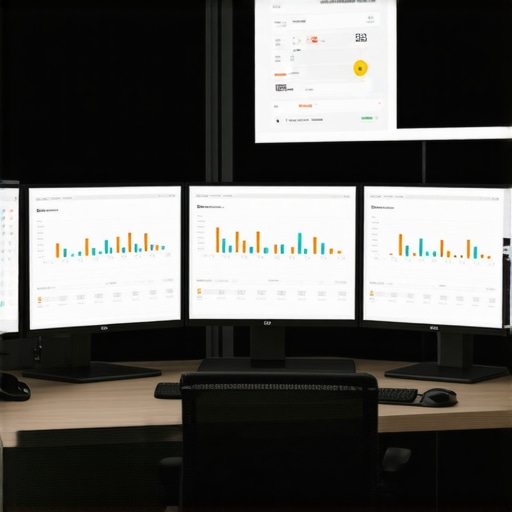
Illustration of a modern workspace with multiple screens showing dashboards, software, and financial data, emphasizing the integration of tools and systems for business management.
The Hardest Lesson I Learned About payroll,tax filing,CPA services,bookkeeping,smartcpaservices
One of my most significant revelations was realizing that relying solely on last year’s income figures was a mistake. Fluctuations in revenue can be unpredictable, and fixed estimates often lead to penalties or missed savings. Embracing a flexible approach, updating estimates quarterly based on real-time data, transformed my tax process from stressful guessing to strategic planning.
3 Myths About payroll,tax filing,CPA services,bookkeeping,smartcpaservices That Held Me Back
First, I believed that doing everything myself would save money. Turns out, expert insights from a knowledgeable CPA can uncover deductions I never knew existed. Second, I thought manual bookkeeping was sufficient, but integrating automation tools saved me hours and caught errors early. Lastly, I assumed once set, my financial systems didn’t require regular oversight, but consistent reviews ensure accuracy and identify opportunities for optimization.
What Experts Won’t Tell You About payroll,tax filing,CPA services,bookkeeping,smartcpaservices
Many professionals overlook the importance of strategic structuring in payroll categories and the benefits of automated expense tagging. These nuances can significantly reduce tax liabilities and streamline audits. Recognizing and implementing such specialized tactics has been game-changing, allowing me to keep my business compliant and financially healthy without unnecessary stress.
Where to Go from Here
To elevate your financial management, I recommend leveraging advanced tools like integrated accounting software and consulting with seasoned CPA experts who understand your industry’s intricacies. Regularly reviewing your income estimates and bookkeeping practices ensures you’re not leaving money on the table. Want to explore how to make these strategies work for your business? Reach out to Smart CPA Services for tailored guidance and support.
Your Turn to Embrace Smarter Finance
Implementing these insider lessons has transformed my approach to estimated taxes and financial health. Are you ready to stop guessing and start planning confidently? Share your biggest challenge with estimated taxes below, and let’s tackle it together.