

I remember the moment vividly—a late night, my inbox overflowing, and yet another unexpected invoice from an overseas contractor. I had been using my personal payment apps, thinking it was quick and convenient, only to realize I was unknowingly inviting a mountain of tax liabilities and compliance headaches. That lightbulb moment hit hard: what seemed like a simple solution was actually a ticking time bomb for my business.
Stop Using Personal Apps for Business Payments: Here’s Why You Should Care
Handling payments to overseas contractors through personal apps might feel like an easy fix, but in reality, it could be costing you more than you think. When I first started managing remote teams abroad, I did what many entrepreneurs do—thought it was fine to shoot payments through familiar platforms like PayPal or Venmo. I didn’t realize that this approach could expose me to **hidden tax liabilities**, risk violations of local laws, and complicate my bookkeeping.
Initially, I believed that as long as I paid promptly, everything was fine. But early on, I made a costly mistake: mixing personal and business transactions without a clear separation. This often led to messy records during tax season and questions from auditors. Over time, I learned that leveraging specialized payroll and payment solutions designed for international contractors not only streamlines compliance but also safeguards your company.
And trust me, the consequences of neglecting this can be severe. In fact, the IRS warns that misclassification and improper reporting when paying foreign workers can trigger hefty penalties. According to recent enforcement data, **over 30% of small businesses face audits due to mishandled cross-border payments** (source: IRS.gov). It became clear that my casual approach was a ticking time bomb.
In this post, I’ll share how moving away from personal apps and adopting smarter, compliant payment methods can save you from costly mistakes, audits, and endless headaches. If you’ve faced similar struggles, stay tuned—there’s a better way, and it’s easier than you might think.
Is Your Business at Risk When Paying Overseas Contractors Through Personal Apps?
One of the biggest concerns is whether these practices are actually worth the hype—especially given the supposed convenience. Early on, I thought it was just a matter of convenience until I realized how much risk I was taking on. The mistake I made? Assuming that personal apps were ever designed to handle the complexities of international payroll.
This oversight led me down a rabbit hole of compliance issues, delayed payments, and potential tax penalties. If you’re still relying on these platforms, you might be one mistake away from legal trouble or audit penalties.
Now, I want to hear from you—have you experienced similar issues when paying overseas contractors using personal apps? Drop a comment below or visit our [contact page](https://smartcpaservices.com/contact-us) to share your story. In the next sections, we’ll explore practical solutions to ensure your payments are compliant, efficient, and worry-free.
Set Up a Dedicated Business Payment System
Start by choosing a platform designed for international contractor payments, like Wise or Deel. These services offer compliance safeguards and currency conversions, simplifying the process and reducing audit risks. When I moved to Wise for a project, I immediately noticed clearer records and easier tax preparation, as the platform automatically categorizes transactions and generates reports. This shift is crucial for maintaining clean bookkeeping and avoiding potential penalties.
Link Your Business Bank Accounts and Payment Platforms
Connect your dedicated business accounts to your selected payment service to streamline transactions. This separation prevents commingling of funds, which can complicate tax filings and cause issues during audits. In my experience, having clear boundaries between personal and business finances enabled me to quickly reconcile expenses and prepare accurate financial statements, as discussed in bookkeeping essentials.
Implement Robust Record-Keeping Practices
Automate transaction tracking using accounting software like QuickBooks or Xero integrated with your payment platform. This creates a real-time ledger, reducing manual errors and ensuring compliance. I once neglected this step during a busy quarter, leading to days of manual reconciliation and unnecessary stress. After integrating automated tools, I saved hours each month and minimized discrepancies, reinforcing the importance of systematic bookkeeping.
Document Every Payment with Detailed Descriptions
Ensure each transaction includes details like contractor name, project code, and purpose. This practice simplifies tax reporting and supports deductions. During my first international payment, failing to include descriptive notes almost caused delays in verifying expenses during a tax review. Now, I habitually add comprehensive memos, which reviewers appreciate, as highlighted in reconciliation strategies.
Stay Compliant with Local and International Laws
Consult resources or professionals to understand legal requirements in each jurisdiction. For example, some countries require withholding tax or specific reporting formats. I once overlooked a local tax obligation for a contractor in Spain, resulting in a fine. After that, I adopted a compliance checklist from CPA services, avoiding future pitfalls. Regularly reviewing such guidelines ensures your payment processes remain lawful and defensible.
Leverage Expert CPA Advice for Ongoing Optimization
Partner with a CPA to audit your payment system and implement best practices. They can advise on tax treaties, reporting deadlines, and deductions. During an annual review, my CPA recommended restructuring payments to optimize tax efficiency, saving my business thousands. Maintaining an open line with trusted advisors ensures your processes evolve with changing laws and business needs, a point emphasized in CPA insights.
Many small business owners believe that hiring a CPA or managing their bookkeeping themselves is sufficient to stay compliant and financially healthy. However, this misconception often leads to costly mistakes. One prevalent myth is that CPA services are only necessary during tax season. In reality, ongoing financial oversight ensures accurate record-keeping, better cash flow management, and proactive tax planning. Another false assumption is that DIY bookkeeping with spreadsheets or basic software can fully replace professional CPA services. While initial cost savings are tempting, this approach increases the risk of errors, overlooked deductions, and compliance issues, especially when managing complex tax laws or multi-state operations.
Many also underestimate the importance of specialized payroll management. Relying on generic platforms or manual calculations can lead to misclassification of employees, unpaid taxes, and potential audits. For example, failing to properly classify remote workers or misfiling 1099s can trigger IRS penalties. Additionally, there’s a misconception that once set up, bookkeeping systems don’t need regular review—an approach that can cause discrepancies to pile up unnoticed.
A common trap is trusting external apps or generic online solutions without verifying their compliance with local tax laws. This can result in inadvertently paying unnecessary taxes or missing deductions that could significantly benefit your business. To avoid these pitfalls, consider consulting with a knowledgeable CPA regularly. They can help you optimize your bookkeeping practices and ensure your payroll systems are aligned with current regulations. For more insights on maximizing your tax efficiency and avoiding errors, check out expert CPA tips for tax filing in 2025.
The real nuance lies in understanding that CPA services are not just about compliance, but about strategic financial management. Businesses that view CPAs as partners in growth, rather than just tax preparers, tend to be more resilient and financially agile. This shift in perspective can prevent many pitfalls that come from generic or reactive financial practices.
Beware of the trap where business owners delay engaging a CPA until tax season. This late approach often results in missed opportunities for deductions, cash flow planning, and fraud detection. Regular consultation ensures your business remains audit-ready and optimized year-round. If you’re still unsure whether your bookkeeping practices are sound, review red flags in your accounting processes to identify areas for improvement.
Are you falling into any of these myths? Have you ever faced the consequences of DIY mistakes or misclassified payroll? Let me know in the comments, and don’t hesitate to reach out via our contact page for tailored advice.Maintaining a smooth, compliant accounting system requires the right tools and a proactive approach. I personally rely on cloud-based bookkeeping platforms like QuickBooks Online because of their automation capabilities, which drastically reduce manual data entry and errors. Integrating these with payment solutions such as Wise or Deel ensures clarity in international transactions and helps maintain audit-ready records. Regularly updating your software and workflows is crucial—technology evolves rapidly, and staying current prevents vulnerabilities. In my experience, leveraging automation not only saves time but also enhances accuracy, ultimately safeguarding your business during tax filings and audits.
How do I keep my bookkeeping system working over time?
Adopt a layered approach: automate transaction imports from your bank and payment portals, regularly reconcile these entries, and review reports weekly. Set reminders for software updates and compliance audits to stay ahead of legal requirements. Scaling your tools and processes as your business grows is vital—what works for a solo entrepreneur might not suffice when managing multiple entities. Future trends point toward AI-powered bookkeeping tools that can predict cash flow issues and flag anomalies before they become problems. Embracing these advancements now ensures your system remains resilient and efficient, regardless of growth.
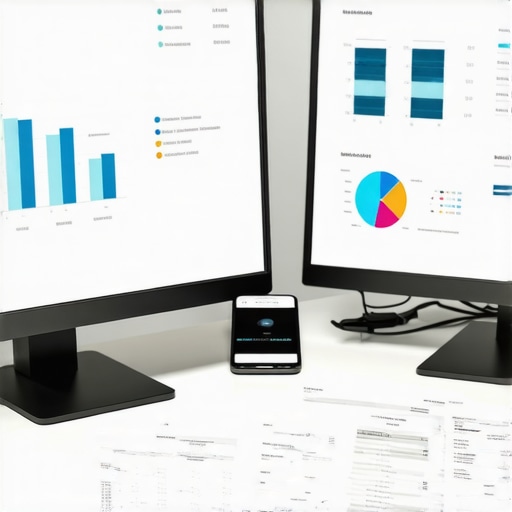
For example, integrating AI features offered by platforms like Xero’s AI Accounting Assistant can automate invoice categorization and expense tracking, saving hours each month. To stay ahead, I recommend trying out these intelligent tools and regularly consulting resources like bookkeeping strategies. Continuous improvement, combined with reliable software, keeps your books accurate and tax-ready year-round. Remember, the key is consistent monitoring and incremental upgrades—this approach prevents crises and scales effortlessly with your business growth.
Lessons from a Cautionary Tale That Changed My Approach
One of the most eye-opening lessons I learned was the importance of having a dedicated, compliant payment system for international contractors. Relying on personal apps might seem convenient at first, but the hidden tax liabilities and compliance risks can quickly outweigh the benefits. I realized that my initial laziness in handling payments was setting me up for unnecessary headaches and costly audits.
Another insight was how crucial proper record-keeping is in maintaining a clean financial outlook. Automated reconciliation tools and clear documentation can save hours and protect you during tax season. My mistake of neglecting these practices cost me time, money, and peace of mind. Now, I see that proactive financial management is foundational to business resilience.
Finally, understanding the legal landscape is vital. Regular consultations with a CPA or tax professional are not just for tax season—they’re an integral part of ongoing compliance. I once overlooked jurisdiction-specific withholding requirements and paid the price. Building a relationship with an expert ensures your payment processes evolve with changing laws, safeguarding your business from surprises.