

I remember the exact moment I realized I was drowning in ghost subscriptions. It was a busy Tuesday morning, and I was frantically trying to reconcile my books before the tax deadline. As I scrolled through my billing statements, I spotted a recurring charge for a service I hadn’t used in months. That lightbulb moment hit me—how many other subscriptions were quietly draining my budget without my knowledge? This experience was a wake-up call, and it made me question: Am I truly in control of my tech stack?
Why You Can’t Afford to Ignore Ghost Subscriptions
In today’s digital landscape, many entrepreneurs and small business owners unknowingly lose thousands each year because of overlooked or forgotten subscriptions. These ghost subscriptions are sneaky—they often disappear into the background, making it easy to forget their existence. Yet, they can significantly impact your cash flow and profitability if left unchecked.
According to a recent survey, the average small business spends over $300 monthly on unused or unnecessary software subscriptions. Over a year, that’s more than $3,500 wasted—money that could be better invested elsewhere or saved. The good news? Regularly auditing your tech stack can save you from this financial leak, giving you clearer insight and better control.
Have you ever experienced the frustration of discovering a hidden subscription that sneaked past your awareness? If so, you’re not alone. I’ve been there, and I know how overwhelming it can be to identify and eliminate these subscriptions without a systematic approach.
Through my journey, I’ve learned that the key lies in being proactive and methodical. But where do you start? That’s exactly what we’ll explore: how to conduct a comprehensive audit of your tech stack to root out those ghost subscriptions once and for all.
By the end of this guide, you’ll have practical tools and strategies to ensure every dollar spent aligns with your current business needs. Ready to regain control and optimize your expenses? Let’s dive into the steps that will transform how you manage your subscriptions and, ultimately, your business finances.
Start with a Detailed Inventory
Gather all your financial statements, credit card reports, and bank feeds from the past 12 months. Use a spreadsheet to list every recurring charge, noting the service, amount, and frequency. Don’t rely solely on memory—many subscriptions are automated and easy to forget. I once found a forgotten SaaS tool costing me $50/month that I hadn’t used in over six months, highlighting the importance of documentation.
Identify Non-Essential Expenses
Review your list and categorize each subscription as essential or non-essential. Be ruthless. If it’s not contributing directly to your core business or revenue generation, consider canceling or negotiating better terms. For instance, I canceled multiple project management tools that overlapped in functionality, saving $120 monthly.
Verify Active Subscriptions
Log into each service’s account and confirm your current subscriptions. Sometimes, charges occur without your knowledge—automatic renewals or linked accounts. Ensure that each subscription is still active and necessary. A hidden subscription to a marketing platform I forgot about was draining my budget until I double-checked.
Leverage Technology for Automation
Use bookkeeping software or automated reconciliation tools to flag irregular or duplicate transactions, making ongoing monitoring easier. Automating this process saved me hours monthly and caught a recurring fee from a defunct account. For more efficient management, explore software solutions that reconcile transactions automatically.
Negotiate or Cancel Unnecessary Subscriptions
Contact service providers for discounts or to downgrade plans where possible. Many companies are willing to reduce fees to keep your business. If a subscription no longer provides value, don’t hesitate to cut ties; reallocating that budget can improve your cash flow. I learned this firsthand when negotiating a lower rate on a cloud hosting service, saving $30/month.
Implement Regular Reviews
Set a quarterly reminder to repeat this process. Consistency prevents subscriptions from slipping through the cracks again. Incorporating a review into your bookkeeping routine ensures ongoing control. I now schedule a quick review every three months, which has prevented surprises when tax season arrives.
Track and Document Changes
Maintain records of canceled subscriptions and the reasons for discontinuation. This practice helps identify patterns or services that are consistently non-essential, informing future decisions. Over time, this documentation streamlines your financial management and reduces the risk of recurring ghost charges. To deepen your understanding of effective bookkeeping practices, visit bookkeeping strategies for small business owners.
Use Visual Aids to Maintain Clarity
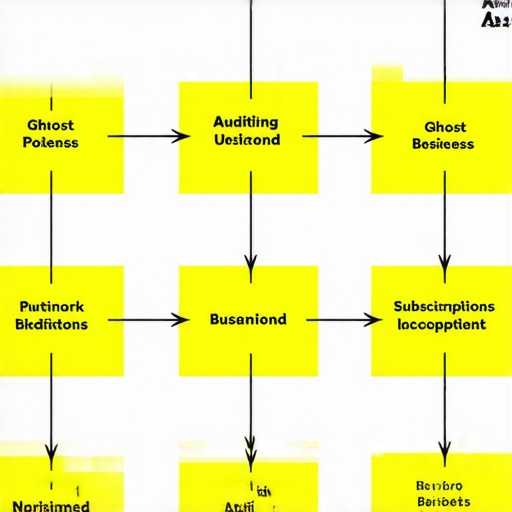
Illustrate your subscription audit process with a flowchart that shows each step from inventory to cancellation.
Many business owners believe they understand the basics of tax filing, CPA services, payroll, and bookkeeping, but the truth is, there are hidden nuances that can trip up even seasoned entrepreneurs. One common misconception is that hiring the cheapest accountant or using DIY accounting tools always saves money. However, this often leads to costly errors, missed deductions, and even IRS audits. In my experience, many overlook the complexities involved in aligning their bookkeeping practices with evolving tax laws, which can result in non-compliance and penalties. For instance, improperly categorizing expenses or failing to track depreciation accurately can trigger red flags with the IRS, potentially leading to audits or fines. To avoid these pitfalls, it’s crucial to understand that not all CPA services are created equal, and choosing a provider with advanced expertise in your industry can make a significant difference. It’s also a mistake to think that payroll processing is a simple task; overlooked compliance requirements or miscalculations in tax deposits can lead to stiff penalties, as discussed in detail at this resource. The key is to recognize the importance of leveraging technology wisely. Automated bookkeeping solutions might seem convenient but can lead to inaccuracies if not set up properly, which is why consulting with experts who understand the underlying principles is essential. Furthermore, many entrepreneurs underestimate the impact of ongoing education—staying updated on tax law changes and payroll regulations can prevent serious compliance issues. The trap here is assuming past practices are sufficient, when in reality, continuous learning is necessary to keep pace with regulatory shifts. An advanced mistake many make is neglecting to regularly review and reconcile accounts, which can hide errors or fraud that may escape notice until much later. This is where dedicated CPA services become invaluable, ensuring that your financial data remains accurate and audit-ready. Want to go deeper? I recommend exploring how a CPA can simplify your tax filing process to understand the nuances involved. Remember, the goal isn’t just compliance but optimizing your financial operations for growth. Have you ever fallen into this trap? Let me know in the comments.Maintaining the health of your financial systems requires more than just occasional check-ins; it demands the right tools and consistent practices. I personally rely on a combination of automated bookkeeping software and proactive management strategies to ensure accuracy and efficiency. For example, I use QuickBooks Online because its cloud-based platform allows me to sync bank feeds automatically, reducing manual data entry errors. Additionally, integrating tools like automated reconciliation software helps me catch discrepancies early, saving hours of manual review.
Staying ahead involves leveraging technology that adapts as your business grows. I recommend setting up regular scheduled reviews—quarterly at minimum—to evaluate your software subscriptions and ensure they still meet your needs. This includes verifying that payroll and CPA services are aligned with your current business structure. For instance, using a reputable payroll provider not only simplifies tax compliance but also offers valuable insights to avoid costly mistakes. Check out payroll strategies for efficiency to optimize this part of your operation.
Moving forward, the trend is toward more integrated solutions that combine accounting, payroll, and tax management into a single platform. Cloud-based solutions like Xero or Wave are gaining popularity for their scalability and ease of use, making long-term maintenance much simpler. As we look to the future, expect these systems to incorporate AI-driven analytics to warn you of potential issues before they escalate.
So, how do I maintain my financial systems over time? The key is to establish a routine that includes tools, regular audits, and staying current with features that can save time and prevent errors. Try setting up automated reconciliation processes today—it’s a game-changer in catching discrepancies early and ensuring your books stay accurate. Implement this advanced tip now, and your future self will thank you for the reduced stress and improved accuracy. If you’d like help choosing the best tools for your business, don’t hesitate to reach out for personalized advice.
Lessons Only the Trenches Taught Me About Tax Tools and Payroll
One of the most surprising revelations I had was realizing how often I prioritized short-term savings over long-term value, especially when selecting CPA and payroll providers. I once opted for the cheapest option, thinking it would cut costs immediately. However, after facing audits and compliance issues, I learned that investing in trustworthy accounting partnerships pays dividends in peace of mind and audit readiness. Additionally, I discovered that automated bookkeeping tools, while convenient, require ongoing oversight—there’s no substitute for a savvy eye, especially when managing complex depreciation schedules that the IRS scrutinizes heavily.
My Go-To Resources for Doing It Right
First, I swear by this guide on bookkeeping secrets. It’s packed with practical tips that make daily financial management less daunting and more precise. For software, I trust automated reconciliation tools to keep my books accurate without me micro-managing every transaction. Lastly, I stay updated with CPA tips for tax efficiency, which alert me to proactive steps that minimize liabilities while maximizing deductions—crucial for any small business aiming to thrive.
Your Next Leap in Financial Empowerment
Don’t let your business become a victim of ghost subscriptions or sloppy bookkeeping. Take control today—audit your resources, seek expert advice, and leverage technology to keep your finances transparent and compliant. Remember, mastering your financial systems isn’t a one-time task; it’s an ongoing journey that empowers your growth and peace of mind. What’s the first step you’ll take towards eliminating ghost subscriptions from your financial ecosystem? Let’s discuss below and turn awareness into action!