

I sat there, blurry-eyed, staring at a bank statement that simply refused to cooperate with my messy spreadsheet. It was 2 AM. I had entered a $1,200 software subscription as $2,100. That tiny flip of digits—a classic transposition error—didn’t just mess up my Tuesday; it sent my entire quarterly projection into a tailspin. I’ve been there, trust me. When I first started out, I thought I was ‘detail-oriented’ and didn’t need fancy tools. I was dead wrong. Mistakes happen when we’re tired, distracted, or just human. Today, I’m going to help you move past the manual grind and secure your financial future. We aren’t just talking about saving time. We’re talking about saving your sanity and your bank account.
Stop Gambling with Your Financial Data Entry
Mistakes are more common than you think. Every time you manually type an invoice amount or a date, you are introducing a point of failure into your business. I remember a specific fix for manual journal entries that took me weeks to resolve because I’d accidentally deleted a formula cell without realizing it. It felt like I was building a house on sand. If you’re still relying on your fingers to do the heavy lifting, you’re likely missing common errors that a machine would catch in a heartbeat. It’s not about being lazy; it’s about being precise. Have you ever spent hours chasing down a ten-cent discrepancy only to realize it was a typo from three months ago? Tell me I’m not alone in that frustration!
Is automating your finances actually worth the hype?
You might be skeptical. I get it. Learning new software feels like another chore on an already overflowing plate. But consider this: research from IBM suggests that human error in manual data entry is a leading cause of data inaccuracies, with error rates often reaching as high as 4% in complex tasks. When you’re managing bookkeeping secrets for a growing company, 4% isn’t just a margin of error—it’s a disaster waiting to happen. Automation acts as a digital safety net, catching the slips that our tired brains miss.
The Night a Single Typo Cost Me a Fortune
We love our spreadsheets because they feel safe, but that sense of security is an illusion. I used to think my manual system was robust because I looked at it every day. But looking isn’t the same as seeing. A human eye naturally glosses over repeated patterns. If you type ’55’ instead of ‘5’ enough times, your brain just accepts it. The reality is that expense automation often fails because we don’t set it up right, but going back to manual entry is like trading a car for a horse because the tire went flat. You need a system that works for you, not against you, especially when you want tax filing simplified so you can focus on growing your business. By shifting to automated payroll strategies, you remove the human element from repetitive calculations, ensuring that your books are ready for any audit or expansion that comes your way.
Stop Chasing Ghost Dollars and Fix Your Audit Process
The first thing you need to do is stop looking at your books as a static record and start viewing them as a living system. When I finally decided to get serious, I realized my first step wasn’t buying more software; it was a deep clean. I spent a Saturday morning learning the fast way to audit your own books for common errors, and the results were embarrassing. I found double-payments to vendors I hadn’t worked with in months. You should start by performing a line-by-line review of your recurring costs. It is incredibly easy to lose track of SaaS tools, which is why I recommend you learn how to audit your own ledger for duplicate software subscriptions. I once discovered I was paying for two different versions of the same project management tool because I’d signed up with two different email addresses. That $40 a month adds up to a nice dinner out that I was essentially throwing into a digital void.
Fix Your Bank Feeds Before They Break Your Ledger
We’ve all been told that bank feeds are the holy grail of modern bookkeeping, but they can be a double-edged sword. If you don’t reconcile them daily, you’ll find that why your automated bank feeds create duplicate invoices becomes a recurring nightmare. The system sees a deposit and an invoice and sometimes creates a third entry just for fun. To fix this, you must set up strict ‘matching’ rules. Think of your bank feed like a busy highway; without clear signs and lanes, you’re going to have a pile-up. If you’re running an online store, you also need the fast way to reconcile high-volume Shopify sales to ensure your merchant fees aren’t being miscounted as operational expenses. 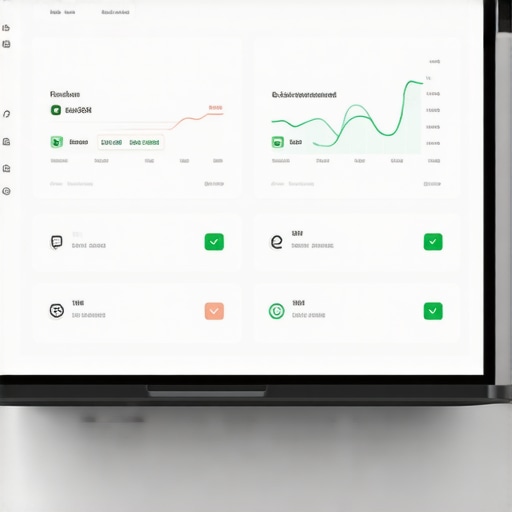
Connect Your Payroll to Your General Ledger Automatically
One of the biggest time-wasters I ever encountered was manually typing payroll totals into my accounting software. It’s a recipe for disaster. You need to make the move to sync your payroll with your general ledger automatically. This ensures that every cent of tax withholding, gross pay, and benefit contribution lands in the right bucket without you lifting a finger. I remember a messy month where I forgot to account for employer-side FICA taxes in my projections. My cash flow looked great on paper, but my bank account told a different story. If you’re struggling with outstanding payments, check out these 3 fixes for messy accounts receivable aging reports to get your cash moving again.
Ditch the Shoebox for Good
Stop saving physical receipts. Seriously. The ink fades, and they are a nightmare to organize. I shifted my entire process to a ‘capture at source’ model. Every time I have a lunch meeting, I take a photo of the receipt before I even leave the table. Learning how to document business meals without a shoebox of receipts changed my life during tax season. It makes tax filing simplified because your CPA isn’t digging through a pile of crumpled paper.
Your Software Still Needs a Human Pilot
Even the best automation requires a captain. You cannot simply ‘set it and forget it.’ This is especially true for complex areas like state taxes. I learned the hard way that why your automated sales tax tool still requires human eyes is a lesson in compliance. Software is great at math, but it’s terrible at understanding local nexus laws that change every Tuesday. If you want to keep your sanity, automate the repetition, but always schedule a monthly 15-minute ‘sanity check’ to ensure the machine isn’t hallucinating.
Here is the hard truth most automated solutions won’t tell you: a balanced ledger is not the same thing as a healthy business. I spent years thinking that as long as my bank reconcile matched my software, I was golden. I was wrong. The nuance that many business owners miss is the massive gap between compliance and strategy. You can have a perfectly ‘clean’ set of books and still be driving your company off a cliff because you aren’t looking at the right data points.
Your Profit Margin is Probably Lying to You
The most common mistake I see—and one I made myself early on—is trusting a Profit and Loss statement without context. Most entrepreneurs look at that bottom line and celebrate. But have you stopped to ask the reason your profit margin isnt what you expected? Often, your accounting software is dumping expenses into broad categories that obscure your actual unit economics. If your COGS (Cost of Goods Sold) isn’t perfectly mapped, you might be losing money on every sale while your ‘total’ profit looks fine. According to a study by the AICPA, business owners who move beyond simple compliance to strategic advisory with their CPA see significantly higher long-term growth. It’s not just about counting the beans; it’s about knowing which beans are actually growing. I realized that why your current chart of accounts is hiding your true costs was the primary reason I couldn’t figure out where my cash was disappearing every month.
How do I spot the red flags in my own S-Corp distributions?
If you’ve made the leap to an S-Corp, you probably did it for the tax savings. But here is the trap: the IRS is watching your ‘reasonable compensation’ like a hawk. I’ve seen so many founders get aggressive with their draws and ignore their actual salary. Understanding why your s-corp distribution strategy is triggering red flags is vital if you want to avoid an audit that could cost you years of savings. You need a paper trail that justifies your decisions, not just a gut feeling that ‘this looks about right.’
The Multi-State Tax Trap Most Founders Ignore
In the world of remote work, hiring a developer in a different state feels like a non-event. In reality, it’s a tax nexus explosion. I once hired a contractor who moved to a new state without telling me, and suddenly I was liable for payroll taxes and sales tax registration in a place I’d never even visited. Don’t underestimate the real impact of hiring out-of-state on your tax bill. It complicates your tax filing simplified goals and can turn a simple return into a multi-jurisdictional nightmare.

Another nuance that catches high-growth companies off guard is the ‘Book vs. Tax’ discrepancy. You might look at your dashboard and see a $50,000 profit, but your tax preparer says you owe money on $70,000. Why? Because the rules for accounting (GAAP) and the rules for the IRS (Tax Code) are different languages. If you don’t understand why your pl statement doesnt match your tax return, you will constantly be surprised by your tax bill. This is why I always tell people that bookkeeping secrets aren’t about magic tricks; they are about understanding the rules of the game before you play. Have you ever fallen into this trap of trusting your dashboard too much? Let me know in the comments. If you’re feeling overwhelmed, don’t wait until April to fix it—reach out and contact us to get a professional eye on your strategy today.
Once you have your strategy in place, the real challenge begins: consistency. I’ve found that the biggest hurdle to scaling isn’t a lack of revenue, but the weight of unmanaged data. You need to move beyond just recording transactions and start performing a ‘Monthly Close.’ This is the point where you lock your books and say, ‘This month is done.’ I cannot stress enough the real cost of neglecting your monthly close process. Without this boundary, your data drifts, and suddenly your Q1 reports are being edited in July. To make this easier, I follow the checklist for closing your books in record time every single month, no exceptions. It’s the difference between a clean audit and a frantic weekend of forensic accounting.
The Gear That Actually Makes Bookkeeping Tolerable
People ask me all the time what ‘pro’ tools I use. It’s not just about the cloud software; it’s about the environment. I swear by a dual-monitor setup—one screen for the bank statements and one for my ledger. This physical separation prevents the ‘alt-tab’ fatigue that leads to those transposition errors I mentioned earlier. For those of us managing a distributed team, I rely on 3-smart tools to verify remote tax residency in minutes-2 to ensure I’m not accidentally creating a tax nexus where I shouldn’t. If you’re growing fast, you need top payroll management tips for growing businesses in 2025 to stay ahead of the curve. 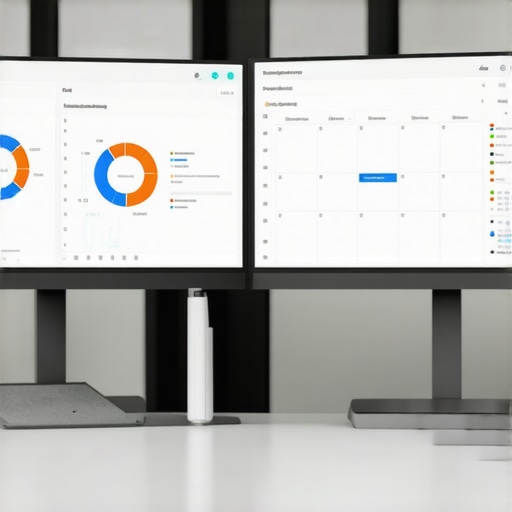
How do I keep this system from falling apart next month?
The secret is micro-audits. Instead of a massive monthly overhaul, I spend 15 minutes every Friday morning reviewing the week’s entries. This prevents the ‘pile-up’ effect. Even the IRS Publication 583 (Starting a Business and Keeping Records) notes that you must keep records that support the income and expenses you report, but they don’t give you a prize for doing it all at once on December 31st. If you find yourself falling behind, look into how to handle back taxes when you cant pay all at once rather than burying your head in the sand.
The Future of Your Ledger is Real-Time and Autonomous
Looking ahead, the trend is moving away from batch processing toward real-time, API-driven accounting. In the next few years, we’ll see ‘autonomous bookkeeping’ where AI doesn’t just categorize transactions but predicts tax liabilities as they happen. We are already seeing this with the move to sync your payroll with your general ledger automatically. The goal is to reach a state where you can see your true tax liability on a Tuesday afternoon, not just after your CPA finishes your return. If you haven’t yet, I highly recommend you maximize your tax filing efficiency in 2025-expert cpa tips to prepare for this shift. My challenge to you: Spend 15 minutes this Friday auditing just one category—like your travel expenses—and see what you find. If it’s a mess, don’t panic, just contact us and let’s get it straightened out before it scales into a bigger problem.
What Your Accounting Dashboard Isn’t Brave Enough to Tell You
After years of staring at ledger balances, I realized that clean books are just the starting line. The real lightbulb moment happened when I stopped treating my accounting software like a diary and started treating it like a GPS. First, never assume that balanced means accurate. You can balance a ledger that is fundamentally missing data. Second, the single most important conversation you can facilitate is why your bookkeeper and tax preparer need to talk. If they operate in silos, you are the one who pays for their lack of communication through missed deductions. Finally, remember that your why your business bank account structure matters for taxes more than you think; how you flow money through your accounts dictates how easily your CPA can defend you during a review.
The Toolkit That Keeps My Ledger Breathing
I don’t just rely on automation; I rely on a specific ecosystem of habits and tools. For clarity, I highly recommend a quarterly deep dive into how to clean up your chart of accounts for better clarity. It is like clearing the clutter from your desk; you cannot think clearly if your Miscellaneous category is $10,000 deep. I also swear by keeping a digital Tax Fortress—a simple cloud folder where every major contract and asset purchase is stored the moment the ink dries. Lastly, use a dedicated browser profile for your financial work. This keeps your bookkeeping sessions free from the distractions of social media and unrelated tabs, significantly reducing those expensive 2 AM typos. #IMAGE_PLACEHOLDER_E#
Stop Fearing the IRS and Start Building Your Future
Your financial data should not be a source of anxiety. When you take control of your bookkeeping and leverage professional CPA services, you shift from a defensive posture to an offensive one. You stop wondering if you can afford a new hire and start knowing exactly when to pull the trigger. The goal is to maximize your tax filing efficiency in 2025-expert cpa tips so you can spend less time looking at the past and more time architecting your growth. You have the tools and the roadmap; now it is just about taking that first step toward a cleaner, more profitable ledger. Have you ever discovered a major error in your books that changed how you view your profit? Let me know in the comments below!