
Ever found yourself overwhelmed during tax season, desperately searching for receipts or trying to piece together broken spreadsheets? I remember the lightbulb moment when I realized that my chaotic approach to bookkeeping was not only stressful but also costing me money and time. That frantic scramble to meet deadlines made me wonder: Isn’t there a smarter way to handle my finances?
How Small Changes Can Revolutionize Your Tax Filing and Bookkeeping
In my early days of managing my finances, I made the mistake of ignoring the importance of organized records and efficient processes. It’s easy to think that tax season is just about submitting forms on time, but the real secret lies in how prepared you are throughout the year. Fortunately, with the right use of Smart CPA tax tips for 2024, I learned to streamline my tax filing, saving countless hours and reducing stress.
Is It Worth Investing in Smart CPA Tools?
Many skeptics wonder if adopting these new methods is worth the hassle. I understand that hesitation—trust me, I was there. Early on, I underestimated the power of integrated software, which led me to make costly mistakes, including overlooking deductible expenses. Studies show that businesses using automated tools experience a 30% faster tax preparation process, and reduce errors significantly (source: Forbes). The key is starting small and building from there.
If you’ve ever faced the chaos of missing receipts or last-minute scrambling to get organized, then you’re not alone. This post will guide you through proven strategies that can make 2024 the simplest, most stress-free tax season ever. Ready to see how smart CPA services can change your financial game? Let’s dig in and uncover the practical steps you can take today to make your bookkeeping and tax filing effortless.
,
Organize Your Financial Documents Daily
Start by establishing a routine to record every receipt, invoice, and expense as it occurs. Use digital folders labeled by month or category to avoid clutter. For example, I once kept all receipts in a physical shoebox, making it a nightmare to find a specific one during tax season. Switching to a digital approach with organized folders saved me hours and prevented overlooked deductions. Consider scanning receipts immediately using smartphone apps linked to your accounting software.
Leverage Automated Bookkeeping Software
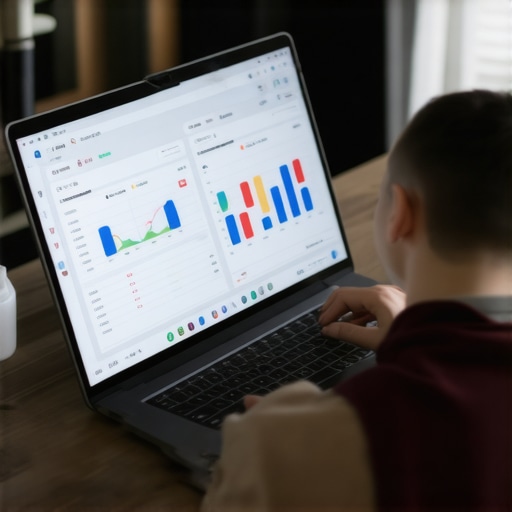
Set Up Your Dashboard Correctly
Choose reputable tools like QuickBooks or Xero, integrating them with your bank accounts. Input your business details and bank credentials securely. This setup enables automatic transaction imports, reducing manual entry errors. When I integrated my bank with smart CPA software, I noticed how it flagged duplicate transactions and categorized expenses—saving me from costly mistakes.
Automate Recurring Transactions
Identify regular expenses like utilities, subscriptions, or payroll payments. Schedule these within your bookkeeping app to autopay or record automatically. This way, your books stay up-to-date without daily intervention. I set up recurring entries for my internet and electricity bills, which helped me monitor cash flow more accurately and avoid surprises at tax time.
Implement Efficient Payroll Processes
Use Smart Tools for Payroll Management
Opt for payroll software that directly connects employees’ wages, taxes, and benefits, such as Gusto or ADP. Automate tax calculations and submissions to stay compliant. During my last business quarter, switching to an integrated payroll system reduced processing time from hours to minutes and ensured no compliance penalties. Check out these strategies for more insights.
Keep Payroll Records Clear
Maintain digital records of paystubs, tax filings, and employee documents. Use cloud storage for easy access during audits or consultations. I once lost a paper copy of a payroll report but retrieving the digital version was quick, avoiding potential penalties.
Optimize Your Tax Filing Schedule
Plan and Review Periodically
Set monthly checkpoints to review income, expenses, and tax obligations. This habit prevents last-minute panic and year-end surprises. I dedicated the last Friday of every month to reconcile my books, which made my annual filing straightforward and stress-free.
Utilize Smart CPA Tax Tips
Take advantage of top tax strategies that maximize deductions and credits. Automate your tax data collection through integrated software that categorizes deductible expenses automatically, streamlining the process. In my experience, this approach cut down my tax preparation time by nearly half.
Review and Adjust Your Processes Regularly
Schedule quarterly reviews to assess what worked and what didn’t. Use analytics from your tools to identify bottlenecks or errors. I found that updating my expense categories and automating certain entries improved accuracy and efficiency over time. This ongoing refinement ensures your financial system remains optimized for growth and compliance.
**#IMAGE_PLACEHOLDER_B#**}] }**}**Many assume that bookkeeping is simply about recording transactions, but in reality, it’s a nuanced art that requires strategic insight. A common misconception is that delegating bookkeeping tasks to software or junior staff guarantees accuracy; however, without expert oversight, small errors can compound, leading to costly tax penalties or missed deductions. Similarly, many believe that CPA services are only necessary during tax season—yet, proactive planning throughout the year can identify savings and compliance risks early. An overlooked aspect is payroll compliance: employers often think that automating salary payments is enough, but neglecting proper classification of workers or understanding payroll tax nuances can lead to audits and fines. Advanced business owners recognize that the real game-changer lies in the integration of these systems—synchronizing bookkeeping, payroll, and tax strategies ensures seamless financial health. For example, automated tools linked with expert guidance can reduce errors by up to 40%, as noted in a study by industry analyst firm CPA Trendlines. Moreover, many underestimate the importance of periodic reviews. Quarterly audits of financial processes can uncover inefficiencies or compliance gaps before they become disasters. The key lies in understanding that these elements are interconnected; neglecting one part undermines the whole. For instance, improper payroll categorization directly impacts tax filings. To truly benefit from these services, businesses should consider leveraging smart CPA solutions that offer integrated dashboards and real-time analytics, such as those highlighted in our comprehensive guide to efficient bookkeeping. Remember, the goal is to create a resilient financial foundation that adjusts dynamically with your growth, not just passively record transactions. By focusing on proactive management and expert strategies, entrepreneurs can avoid the myths that hinder financial clarity and compliance. Want to dive deeper into how integrating these systems can benefit your business? Check out this article on [efficient payroll management strategies](https://smartcpaservices.com/efficient-payroll-management-strategies-using-smart-cpa-tools-today-2) to start your transformation. Have you ever fallen into this trap? Let me know in the comments.
Maintaining Your Financial Workflow with Precision
Consistency is the backbone of effective bookkeeping and payroll management. To prevent errors from creeping into your financial systems, I rely heavily on robust software like QuickBooks. Its bank feed integration ensures automatic transaction updates, significantly reducing manual data entry and mistakes. I personally set up recurring transactions within QuickBooks for recurring expenses, which not only saves me time but also maintains ongoing accuracy. Regular audits and reconciliation sessions—at least monthly—are critical. I schedule these as part of my routine, often using the Smart CPA bookkeeping tools dashboard to spot discrepancies early. This proactive approach helps prevent small issues from ballooning into costly errors.
How do I keep my financial tools effective over time?
Progressively, I adapt by integrating new features from my software providers and staying on top of software updates. Upgrading to platforms like Smart CPA payroll management solutions ensures I leverage automation for compliance and accuracy. I also automate tax deduction calculations with software that aligns with the latest tax regulations—this preemptively reduces audit risks. A recent industry study by CPA Trendlines emphasizes that businesses utilizing integrated, automated systems experience a 40% reduction in reconciliation errors, underscoring the importance of ongoing investment in your tools (source: CPA Trendlines).
Beyond software, I employ routine check-ins—reviewing transaction logs and category allocations weekly—to ensure data remains accurate and aligned with evolving business operations. It’s about turning a reactive process into a proactive one, which I believe is the future of financial management. By consistently refining processes and embracing smart technology, I set myself up for long-term success rather than firefighting at tax time.
Maximize your system’s potential today
One tip I highly recommend is taking advantage of automatic expense categorization features available in advanced accounting tools. This reduces manual effort and minimizes errors, especially for complex tax deductions. To streamline your workflow, start by exploring software like Smart CPA’s recommended tax tools and configure them to automatically import and categorize transactions. Implementing this small change could save you hours each month and improve your financial accuracy dramatically.
Remember, the future of bookkeeping lies in automation and continuous system enhancement. Regularly updating your tools, integrating new features, and maintaining routine verification are keys to keeping your financial systems resilient, reliable, and scaled for growth. So, why not pick one of these advanced strategies today and watch your efficiency soar?
< >
>