

I remember staring at my balance sheet last April, nursing a lukewarm coffee and wondering why my ‘equipment’ value was so high. I looked closer and saw a $12,000 industrial copier listed that I knew for a fact had been hauled away in a scrap truck back in 2021. I felt like a fool. I had been paying property taxes and insurance premiums on a ‘ghost’ for three years. It was a visceral realization that my books weren’t a reflection of my business; they were a graveyard of dead tech. If you have ever felt like your tax bill is bloated, you might be haunted too. Today, I am going to show you how to find these phantoms and get them off your ledger for good.
Stop Paying Taxes on Things You Don’t Own
Every year, small business owners leave money on the table because their physical reality doesn’t match their accounting software. I made the mistake of thinking that because my bookkeeping secrets were ‘automated,’ the system would somehow know when a laptop died or a desk was donated. It doesn’t. These ghost assets—items still on your books but no longer in your possession—can actually account for up to 15% to 30% of a company’s total asset inventory, according to data from the research firm Gartner. That is a massive amount of ‘fake’ wealth to be taxed on. This isn’t just about being tidy; it is about maximizing your tax filing efficiency by removing the fluff that drives up your liabilities. I spent one weekend doing a physical walkthrough and saved enough on my next tax bill to pay for a vacation.
Is a physical inventory really worth the time?
You are probably thinking that you have too much on your plate with payroll management and client meetings to walk around with a clipboard. I get it. But let me ask you: Have you checked your storage closet for old tech lately? Ignoring this is essentially giving the government a tip they didn’t earn. When you clean up a year of messy bookkeeping, finding these assets is the fastest win you can get. It is an immediate reduction in your taxable base. I used to think I could just ‘guess’ what was gone, but until you compare your tax return to your actual office floor, you are just throwing money away. We are about to dive into the ‘Tag and Toss’ method that makes this painless. But first, you have to understand why your depreciation schedule is probably out of date and how that specifically hurts your cash flow.
Grab a Clipboard and Walk the Floor
The first step isn’t looking at your computer; it is looking at your actual office. I call this the ‘Tag and Toss’ method. I once spent four hours in a humid storage unit only to find three servers that had been fried by a power surge in 2019. They were still sitting on my balance sheet, costing me money in personal property tax every single year. You need to physically verify every item worth more than your capitalization threshold. If it is not there, it is a ghost. This is remarkably similar to the way you must check for ghost employees in your payroll system; if you are not looking at the actual people or the physical parts, you are paying for phantoms. 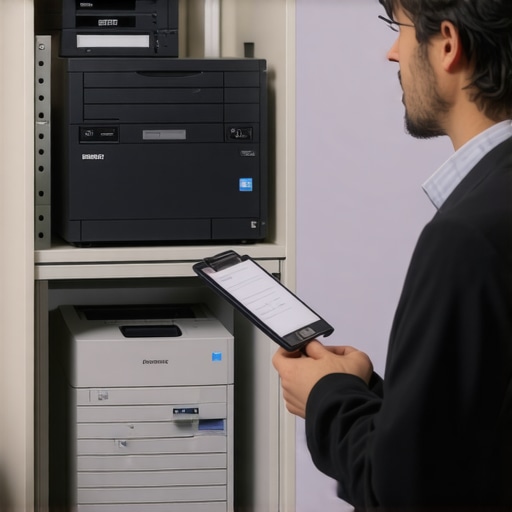
Hunt for the Invisible Inventory
Do not forget the items that are ‘technically’ there but functionally dead. That printer with the permanent paper jam or the laptop with the cracked screen that has been in a drawer for two years are prime examples. If it is not being used and has no resale value, it is a candidate for disposal. When you clean up your chart of accounts for better clarity, you create a dedicated space for these disposals so they do not get lost in the shuffle of everyday expenses. Ignoring these small items is like leaving a window open with the AC on; it is a slow, steady drain on your resources.
Match Your Physical Reality to Your Ledger
Once you have your ‘real’ list, pull your fixed asset register from your accounting software. This is where the frustration often happens. You will likely find that your depreciation schedule is probably out of date, showing value for items that reached the landfill years ago. When I first did this, I discovered a $5,000 office furniture set on my books that we had donated to a local non-profit. Because I did not document the ‘toss’ part of the process, my books suggested I was still sitting on a pile of mahogany.
Handle the Disposal Without the Headache
Removing these assets is not just about hitting ‘delete.’ You need to record the disposal properly to capture the tax loss. This is a critical tax tactic for selling a business asset or disposing of one that has no value. If the asset has a remaining book value, that loss can often be used to offset your taxable income, providing an immediate benefit. If you find that your P&L statement doesn’t match your tax return, ghost assets are often the hidden culprit. By reconciling these lists, you ensure every dollar of ‘wealth’ on your balance sheet is actually productive. If you find errors during this process, it is also a good time to fix duplicate transactions in your cloud ledger that might be inflating your numbers and your tax liability.Removing those ghost assets is just the tip of the iceberg. I have seen so many founders think that once they have cleaned their ledger once, they can just let the software take over. Most gurus will tell you that the more you automate, the more you save. I am here to tell you that is a dangerous half-truth. While payroll strategies to streamline business operations this year are essential, blindly trusting your tech is how those ghost assets creep back in.
The Automation Trap Most Owners Fall Into
Everyone says automation is the cure-all for messy books, but in my experience, it often just speeds up the rate at which you make mistakes. If you are not careful, the problem with automatic bank categorization in QuickBooks will lead to a ‘set it and forget it’ mentality that hides massive tax liabilities. For instance, your software might see a large purchase and assume it is an expense rather than a depreciable asset, or vice versa. This small glitch ripples through your reports until you are looking at a completely fabricated reality. 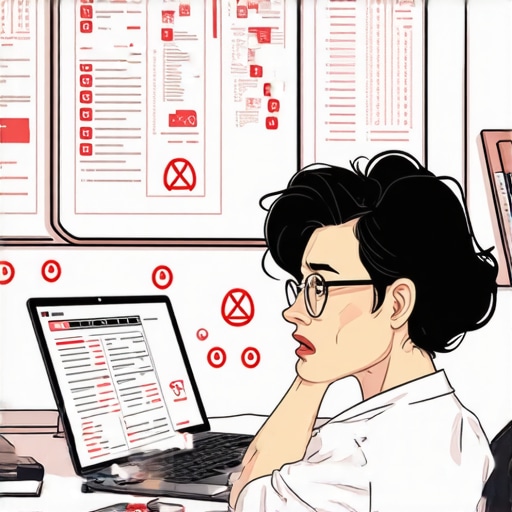
Stop Letting Your Bookkeeper and Tax Pro Work in Silos
One of the biggest mistakes I see growing companies make is treating bookkeeping and tax filing as two separate islands. This is the ‘Oops’ factor that costs thousands. If your records are handled by one person and your taxes by another, the reason why your bookkeeper and tax preparer need to talk becomes the most important question in your business. Without that communication, your tax pro is just guessing based on the data provided, and if that data is full of ‘ghosts’ or miscategorized expenses, you lose. To maximize your tax filing efficiency in 2025-expert cpa tips, you need a unified front.
Why does my balance sheet show profit but my bank account is empty?
This is the ultimate sophisticated reader question. You see a healthy net income, yet you are struggling to make payroll. This often happens because of non-cash expenses like depreciation or, more dangerously, because why your balance sheet shows profit but your bank is empty is tied to uncollected receivables or debt payments that do not show up on a P&L. A study by the American Payroll Association notes that manual or poorly integrated systems have an error rate of up to 8%, which can drastically skew your perceived cash position. When tax filing simplified-how a cpa service can save you money is the goal, you have to look beyond the surface level ‘profit’ number. Have you ever fallen into this trap where your books lied to you? Let me know in the comments.To stop the financial bleeding, I had to stop treating my accounting software like a magic box and start treating it like a high-performance engine that needs a weekly oil change. If you are still manually typing numbers from your payroll report into your ledger, you are begging for a disaster. I finally made the move to sync your payroll with your general ledger automatically using a direct API connection. Why? Because every human keystroke is an opportunity for a typo that ruins your year-end. Why manual data entry is the biggest risk to your books isn’t just a catchy phrase; it is the reality of how fifty-thousand-dollar mistakes happen during a busy season.
Stop the Month-End Scramble Before it Starts
For me, the secret sauce was moving to a ‘continuous close’ model. Instead of waiting for the bank statement to arrive on the 5th of the month, I spend fifteen minutes every Friday morning reconciling the previous week’s transactions. I use a tool like Hubdoc or Dext to snap photos of receipts the second I get them, ensuring I never have to hunt for paper. When you automate your accounts payable without losing control, you free up your brain to actually run the business instead of just recording history. This level of granular detail is exactly what the Journal of Accountancy from the AICPA highlights as the shift toward ‘Continuous Auditing,’ where businesses move away from annual cleanups to real-time accuracy. 
How do I maintain these clean books month after month?
The key is a rigid checklist. You need a recurring calendar invite for yourself or your internal team. To stay on top of it, why you should audit your own books every quarter becomes the most important habit in your routine. This keeps the ‘ghosts’ from returning and ensures that if something looks off, you catch it while the memory of the purchase is still fresh. If you want to scale, you need the tactic for better cash flow forecasting, which is only possible if your data is current.
Where the Ledger is Headed in 2026
I predict that by 2026, the traditional ‘tax season’ will effectively disappear for smart owners. We are moving toward a ‘continuous compliance’ model where AI-driven agents flag ghost assets or miscategorized expenses the moment they hit your feed. You won’t be filing taxes in a frantic rush; you will simply be confirming the data that has been validated all year long. This is the ultimate goal of tax filing simplified-how a cpa service can save you money. Don’t wait until the IRS sends a letter or your bank account hits zero. Contact us to get your systems set up right today. My advanced tip for you right now: Go into your accounting settings and map your chart of accounts directly to your tax categories. It takes twenty minutes but saves twenty hours in April.
The Costly Lessons I Had to Learn the Hard Way
Reflecting on my journey from a cluttered storage unit to a streamlined balance sheet, I realized that bookkeeping is less about math and more about discipline. One of the biggest bookkeeping secrets every small business owner should know is that your books are a living breathing entity, not a once-a-year chore. I used to think a 2% error rate was acceptable until I saw how that small margin compounded into a massive tax headache at year-end. Another lightbulb moment came when I realized that automation is a tool, not a replacement for my brain; always keep an eye on the problem with automatic bank categorization in QuickBooks because tech doesn’t know the context of your purchases. Lastly, your financial health is only as good as your team’s communication—don’t let your data live in a vacuum.
Tools That Keep My Financial Engine Humming
I don’t recommend products lightly, but a few things have made my life significantly easier. I swear by tools like Hubdoc for instant receipt digitization because “I’ll do it later” is the lie that kills your tax deductions. For those who want to stay ahead of the curve, I regularly read the AICPA’s Journal of Accountancy to stay sharp on shifting regulations. Most importantly, I rely on a quarterly rhythm where I audit my own books every quarter to catch phantoms before they haunt my tax return. #IMAGE_PLACEHOLDER_E# These aren’t just gadgets; they are the guardrails that keep your business from veering off the road.
Take Control of Your Financial Destiny Today
You don’t have to be a CPA to have world-class books, but you do have to care about the details. Every ghost asset you remove and every transaction you correctly categorize puts money back into your pocket. It is about tax filing simplified-how a cpa service can save you money and giving yourself the mental space to actually grow your vision. You have worked too hard to build this business to let sloppy records take it away from you. If you are ready to stop guessing and start growing, reach out and contact us to build a system that finally works for you.
Have you ever found a “ghost asset” on your books that you had forgotten about for years? Let me know in the comments below!