

I still remember the smell of stale coffee and the blue light of my laptop at 2 AM on a Tuesday back in 2022. I’d just landed my biggest contract ever, and I was ecstatic to finally hire a senior developer from another state. I logged into my “Starter” payroll dashboard, expecting a few clicks to seal the deal. Instead, I was met with a wall of red text and a notification that my basic plan didn’t support multi-state tax registrations. I felt like I was trying to run a marathon in flip-flops. That “cheap” monthly subscription was suddenly costing me thousands in potential delays and manual paperwork.
Your Basic Payroll Plan is a Growth Ceiling in Disguise
When you first start out, “basic” feels like “smart.” You’re lean, you’re scrappy, and you just need the checks to clear. But as you scale, that entry-level tier starts to leak money in ways you won’t see on a standard P&L statement. I learned the hard way that saving fifty bucks a month on a software tier can lead to a $5,000 headache when you realize you’ve accidentally created a tax nexus you aren’t prepared for. If you’ve ever felt like your software is holding you back rather than helping you soar, you’re not alone. We’re going to look at why outgrowing your current setup is actually a sign of success—if you handle the transition right.
A major mistake I made early on was thinking I could just “work around” the limitations. I tried to manually calculate state withholdings for that remote hire, which led to a nightmare of a missed payroll tax deadline and a very unpleasant letter from the state department of revenue. It was a classic “penny wise, pound foolish” moment that almost cost me my new hire’s trust.
Is a cheap plan actually worth the hidden risks?
It’s tempting to look at the feature list of a “Pro” or “Elite” plan and think, “I don’t need all that fluff.” But it isn’t fluff. It’s insurance. When you’re managing top payroll management tips for growing businesses, you realize that automated tax filings and HR compliance tools aren’t luxuries; they are the floor. According to data from the Internal Revenue Service, nearly 40% of small businesses pay a payroll penalty each year, averaging hundreds of dollars per company. That’s more than the cost of an annual upgrade to a plan that actually handles the compliance for you.
The problem is that basic plans often lack the sophistication to handle state nexus issues that arise when you hire talent across borders. Have you ever found yourself manually entering data into a spreadsheet because your payroll software “doesn’t talk” to your accounting software? That’s your growth hitting a wall in real-time. Before you get too deep into the weeds, you should check out this checklist for switching your payroll provider so you don’t lose your sanity during the process.
So, have you ever felt that sinking feeling when your “simple” tools couldn’t handle your “complex” success? I’d love to hear your story. Next, we’re going to dive into the three specific ways these basic plans are quietly draining your bank account and how to spot the signs that it’s time to move up.
Identifying the exact moment to switch your software is like realizing your car’s engine is smoking—it’s usually already a little too late. In my case, the ‘smoke’ was a series of frantic emails from my first out-of-state hire asking why their local taxes weren’t being withheld. I realized that my ‘starter’ plan was effectively a glorified spreadsheet. To move past this, you have to stop treating payroll as a back-office chore and start seeing it as a strategic infrastructure project. Here is how you actually execute that transition without losing your mind or your money.
Fix Your Chart of Accounts Before You Click Upgrade
The biggest mistake I made during my growth spurt was trying to migrate messy data into a more expensive system. It’s like moving into a mansion but bringing all your old, broken furniture with you. Before you even look at a ‘Pro’ tier, you need to fix a messy chart of accounts yourself or with professional help. If your books are a jungle of ‘miscellaneous’ tags, no software in the world will save you from a logic error during a tax filing. I spent three full days in a windowless office manually recategorizing two years of expenses because I hadn’t followed basic bookkeeping secrets every small business owner should know. Do the cleanup first; the migration will be ten times smoother.
Don’t Let State Borders Sink Your Cash Flow
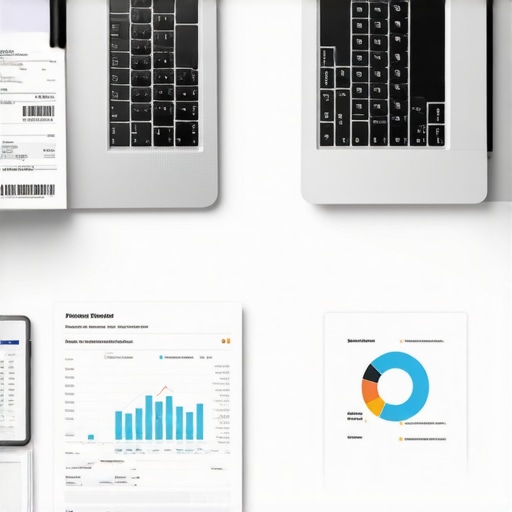
As soon as you hire someone in a different zip code, your complexity doesn’t just double—it quadruples. You are now dealing with a ‘nexus,’ which is just a fancy tax word for ‘you owe us money because your employee lives here.’ Most basic plans won’t automatically register you for new state unemployment insurance (SUI) accounts. I once missed a filing because I didn’t realize that a remote developer in Ohio had different local tax requirements than my home office. This is why you need to handle state nexus issues proactively. A higher-tier payroll plan usually includes ‘Auto-Tax’ features that manage these registrations for you, which is the only way to eliminate late fees on payroll taxes effectively.
Know When a Human Beats an Algorithm
Algorithms are great for math, but they are terrible at context. There’s a point where ‘automated’ actually becomes ‘dangerous.’ For instance, automated bank feeds often misidentify transfers. If you don’t spot the errors in your automated bank feed, you might end up double-counting revenue and paying taxes on money you never actually made. This is why scaling requires a mix of robust payroll strategies to streamline business operations and a human eye. I now have a ‘hard-stop’ rule: every month, I reconcile my payroll totals against my bank statements manually. It takes twenty minutes but has saved me from thousands in potential overpayments. When you realize the software has hit its limit, that is when you should look into the real cost of internal bookkeeping versus outsourcing. Often, a strategic partner is cheaper than the penalties resulting from a software glitch you didn’t notice.
Make Your Quarterly Tax Anxiety Disappear
Scaling successfully means moving from a reactive state—where you’re surprised by bills—to a proactive one. When I moved from a sole proprietorship to an S-Corp, I didn’t realize that my salary requirements were about to change drastically. If you aren’t careful, you’ll find that your S-Corp salary might be too low for the IRS, leading to a painful audit. The ‘Pro’ level of most payroll services includes a compliance dashboard that flags these risks before they become legal issues. It’s about building a ‘moat’ around your business. You aren’t just paying for the ability to direct deposit; you’re paying for the secret to passing a payroll audit with zero fines. Every dollar spent on a better plan is a dollar you aren’t handing over to the government in the form of a penalty later.
The common wisdom in the SaaS world is that ‘set it and forget it’ is the gold standard for financial software. I am here to tell you that for a scaling business, that is a dangerous lie. Automation is fantastic for speed, but it is completely blind to intent. Most founders believe that if the software categorizes a transaction, it must be right. However, automation without audit is just the fastest way to scale your mistakes.
Automation Is the Fastest Way to Scale Your Mistakes
I see this constantly with high-growth companies: they rely on AI-driven rules to sort their expenses, only to find out six months later that their R&D credits are shot because the software dumped everything into ‘office supplies.’ This is exactly why automated expense categorizing is failing your books and why your P&L might be a work of fiction. A study by the Journal of Accountancy found that context-heavy transactions require human oversight at least 20% of the time to avoid significant logic errors. If you aren’t checking the machine’s work, you’re essentially letting an intern with no context manage your multi-million dollar ledger.
How can I spot a tax time bomb before it explodes?
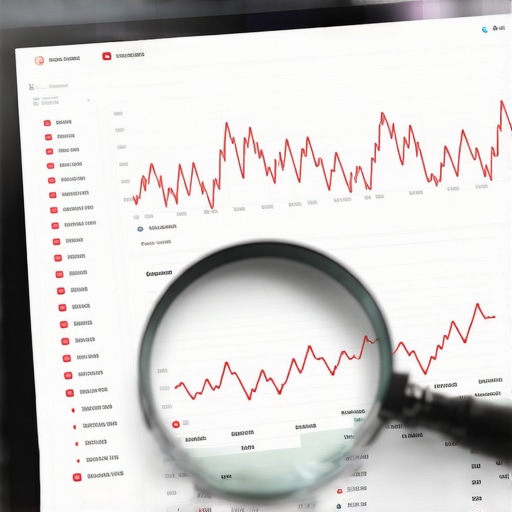
The most sophisticated ‘trap’ for growing teams is the subtle shift in worker roles. You start with a freelancer, they become indispensable, and suddenly they are working 40 hours a week using your hardware and following your direct orders. At that moment, you’ve triggered the liability shift when your 1099 workers act like w-2s. The IRS doesn’t care what your contract says; they care about the reality of the relationship. If you are hiring abroad, you must use the checklist for hiring an international contractor legally to avoid being hit with local labor law violations that can cost more than the hire itself.
The Venmo Trap Is Real and Costly
Another nuance that catches experienced owners off guard is the ‘convenience’ payment. You’re on the road, a vendor needs a deposit, and you send it through a personal app. This is the tax trap of paying employees through venmo or zelle that creates a massive audit trail of undocumented business expenses. When you co-mingle funds or bypass your payroll system, you’re waving a red flag at auditors. If you notice the red flags that suggest your accountant isn’t proactive enough to stop you from making these moves, it’s time to rethink your partnership.
Scaling is about more than just increasing revenue; it’s about ensuring your infrastructure can handle the weight of that revenue. Have you ever fallen into the ‘it’s just a small, quick payment’ trap? Let me know in the comments—I’d love to hear how you handled the cleanup.
If there’s one thing I’ve learned about the ‘scaling’ phase, it’s that your tools need to be smarter than your problems. I eventually landed on a three-pronged stack: a robust cloud ledger, a full-service payroll engine, and an automated receipt fetcher. This isn’t just about software; it’s about building a system where you can automate your accounts payable without losing control. I personally use Hubdoc because it fetches invoices directly from utilities and vendors, meaning I never have to go on a digital scavenger hunt for a PDF when my accountant asks for documentation. It’s about removing the friction before the friction becomes a fire.
The Tech Stack That Keeps Me From Losing Sleep
When you move past the ‘startup’ phase, you realize that the best tools are the ones you rarely have to log into. For my payroll, I transitioned to a system that handles multi-state filings automatically. According to the IRS Publication 15 (Circular E), the Employer’s Tax Guide, the complexity of withholding, depositing, and reporting grows exponentially as your headcount increases across different tax jurisdictions. This is why implementing payroll strategies to streamline business operations is no longer optional once you cross the five-employee threshold. You need a system that acts as a proactive shield, not just a calculator.

How do I maintain financial hygiene as my team grows?
The secret to staying audit-ready isn’t a better app; it’s a better ritual. Every Friday at 4 PM, I perform what I call a ‘mini-close.’ I log into my ledger, check the bank feeds, and ensure my software subscriptions are properly categorized. If I wait until the end of the month, I’ve already forgotten what half the digital vendor names represent. This small 15-minute habit ensures that tax filing is simplified when the fiscal year ends because the data is already clean. It turns a week-long nightmare into a simple verification process.
Future Proof Your Books with Real-Time Data
Looking ahead, I predict that within the next few years, we will see a shift toward ‘autonomous accounting.’ We are moving toward a world where tax liability is calculated and remitted in real-time with every swipe of a corporate card, integrated via advanced banking APIs. However, until that fully automated future arrives, the burden of proof still rests on your shoulders. You must maintain the paperwork you need to keep for five years or more to protect your business during a surprise audit. The goal is to build a paper trail so solid that an auditor gets bored and moves on. If you want to start scaling right now, my advice is simple: take 20 minutes this week to set up one auto-fetch rule in your receipt management software. It’s the smallest move you can make today that will save you the most hours next year.
Hard Lessons from the Scaling Trenches
Looking back at that 2 AM blue light in 2022, I realize I wasn’t just struggling with software; I was struggling with my identity as a founder. I wanted to be the one who knew every penny’s location, but that desire for control was actually a bottleneck. I learned that the real difference between a bookkeeper and a strategic partner is that a partner doesn’t just record history—they help you write the future. You have to accept that your time is worth more than the cost of a ‘Pro’ subscription. If you’re still doing your own reconciliations to save a few dollars, you’re essentially paying yourself minimum wage to do a job that an expert could do better and faster.
#IMAGE_PLACEHOLDER_E#
A Survival Kit for the Next Level
When you are ready to upgrade, don’t just throw money at the first shiny app you see. Focus on tools that provide high-fidelity data and clear audit trails. I rely on a stack that prioritizes visibility: a dedicated payroll engine that handles multi-state compliance, a ledger that syncs daily, and a proactive advisor who flags issues before they become penalties. This transition is how tax filing is simplified for high-growth teams. By investing in these foundations, you ensure the secret to scaling your business without increasing audit risk becomes part of your company’s DNA, not just a lucky streak.
Trust the Systems You Have Built
Scaling is undeniably messy, but it is also a massive compliment to the work you have done. It means your idea is working, your market is responding, and your team is growing. Don’t let fear of ‘complexity’ stop you from pursuing that next big contract or hiring that game-changing developer. By implementing these top payroll management tips for growing businesses, you aren’t just buying software; you’re buying back your mental bandwidth. You’ve built something incredible—now give it the professional infrastructure it deserves so you can get back to the visionary work only you can do. If you find yourself overwhelmed, don’t hesitate to contact us for a second pair of eyes on your setup. What’s the one administrative task that’s currently keeping you up at night? Drop a comment below—I’ve probably been there too and would love to help you find a way out.