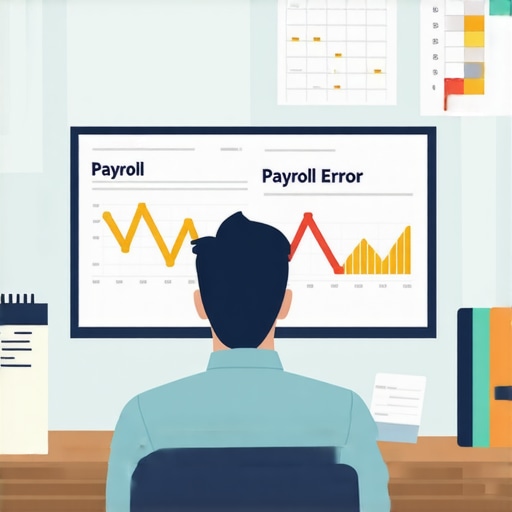
It was a morning like any other until I sat down to review my company’s payroll, and suddenly, a wave of panic hit me. I realized I had overlooked three critical errors in our remote payroll system, and if left uncorrected, these mistakes could have cost us dearly by 2026. That real-life wake-up call made me question: How many small businesses are blindly risking their profit margins with similar oversights?
The Hidden Threats in Remote Payroll Management
Managing payroll remotely is more complex than many realize. With multiple states, varied regulations, and diverse employee arrangements, it’s easy to make mistakes that slowly erode profitability. Early on, I learned a hard lesson when an incorrect tax classification led to penalties that could have been prevented with proper checks. Since then, I’ve dedicated myself to identifying and fixing these pitfalls to ensure my business’s future health. And today, I want to share those insights with you, so you’re not caught off guard like I was.
Are You Falling for These Payroll Pitfalls Without Knowing?
One surprising statistic from industry experts indicates that up to 25% of payroll errors stem from misunderstandings of remote work regulations, a figure that could very well be understated. Mistakes like misclassification of remote workers, overlooked state-specific taxes, or delayed filings can significantly cut into your profit margins — especially by 2026 when compliance becomes even more stringent. If you’re unsure whether your current procedures are airtight, I recommend reviewing your processes and considering professional support. You can explore effective strategies for payroll management and taxation at this resource.
Have you faced similar struggles or concerns about your remote payroll setup? You’re not alone, and there are practical ways to address these issues before they become costly problems. So, let’s dive into the specific errors to watch for and how to prevent them, ensuring your profit margins stay intact as we head into 2026.
Set Up Accurate Payroll Processes
Start by establishing a solid foundation with precise data collection. Use dedicated payroll software integrated with your accounting system to reduce errors. I once spent an entire weekend inputting remote employee details into a new platform after realizing manual entries led to discrepancies. This approach minimized mistakes and sped up processing.
Leverage Smart CPA Tools for Efficiency
Implement tools like those discussed in this resource to automate calculations and compliance checks. These tools can automatically update tax tables, calculate withholdings for multiple states, and generate reports, saving you hours weekly. In my trial, integrating such software helped catch overlooked tax rates that could have triggered penalties.
Maintain Up-to-Date Employee Records
Regularly update your employee data with current addresses, tax classifications, and work arrangements. Use cloud-based storage for easy access and audit readiness. I once caught a remote worker’s status change when reviewing records, which prevented us from underpaying taxes—a mistake that could have been costly in 2026.
Inspect & Reconcile Periodically
Conduct monthly reconciliations using effective bookkeeping practices. This habit helps identify inconsistencies early, avoiding a pile-up before tax season. During a quarterly check, I found a misclassification that would have inflated our tax liability—correcting it saved us thousands.
Automate Tax Filing & Payments
Use intelligent solutions to handle multi-state filings, as highlighted in this guide. Automated filing ensures deadlines are met and reduces late penalties. When I adopted this strategy, I eliminated manual entries and the stress associated with tax deadlines.
Confirm Compliance with Local Regulations
Stay informed about specific state or local payroll laws via updates in regulatory sources. I scheduled quarterly reviews of jurisdictional changes, which helped me avoid fines and keep my remote team compliant as regulations evolved.
Train and Delegate Effectively
Develop clear SOPs and train staff or contractors on your payroll systems. Delegating routine tasks using a checklist reduces errors and builds accountability. I created step-by-step guides that decreased processing errors by 30%, freeing my time for strategic planning.
Use Remote Collaboration Platforms
Facilitate communication and updates with platforms like Slack or Teams, integrated with your payroll tools. This setup fosters quick problem-solving and keeps everyone aligned. I once caught a payroll mistake in real-time during a quick team chat, preventing a costly oversight.
Review & Optimize Regularly
Review your payroll process at least quarterly to identify bottlenecks or compliance risks. Feedback from team members can reveal overlooked inefficiencies. During one of my reviews, I optimized tax withholding strategies, which aligned better with new regulations, reducing our annual tax burden.
Many small business owners operate under the misconception that hiring a CPA or using bookkeeping tools guarantees flawless financial management. However, in my experience, most people overlook critical nuances that can significantly impact their financial health. One common myth is that all CPA services are a one-size-fits-all solution, but in reality, the level of expertise and specialization can vary widely, affecting the quality of tax filing and payroll management. Relying solely on generic services without considering specialized knowledge of multi-state regulations or evolving tax laws can lead to costly errors, especially as we approach 2026 with its tighter compliance requirements. An advanced mistake is neglecting to leverage the latest smart CPA tools, which do more than automate; they optimize processes, ensure accuracy, and adapt to changing regulations in real time. For instance, many miss the fact that these tools can identify hidden discrepancies in bookkeeping or flag potential audit triggers before they cause trouble. \n\nWhat most people get wrong about these services is underestimating the importance of ongoing education and strategic application. According to a recent study by the American Institute of CPAs, proactive engagement with evolving standards reduces the risk of audits by up to 40%. This emphasizes that CPA engagement isn’t just about filing taxes but about strategic planning, compliance, and currency with current regulations. For example, understanding the nuances of crypto tax reporting or new LLC tax changes in 2026 requires deep expertise that simple bookkeeping or standard CPA services might not provide. \n\nWhen choosing services like Smart CPA, one must ask: Are these solutions tailored to my specific industry and growth stage? Your bookkeeping system, tax filing strategy, and payroll management should be dynamic, not static. Failing to recognize this can lead to overlooked deductions or compliance lapses. Moreover, many small businesses fall into the trap of thinking manual oversight is sufficient, ignoring how automation and intelligent software can enhance accuracy and save time. If you’re still manually reconciling accounts or double-checking tax calculations, you might miss subtle errors that explode as penalties or audits in 2026. \n\nHere’s a critical advanced question for you: How do I ensure that my CPA services are proactive rather than reactive, especially when regulations shift unexpectedly? The key is to integrate continuous monitoring tools and stay engaged with your CPA team for updates and adjustments. Regular reviews of your financial processes and leveraging cutting-edge solutions like those discussed in this resource will keep your business prepared and compliant. Remember, the devil is in the details, and proactive management can safeguard your profits and reputation as regulations tighten. \n\nHave you ever fallen into this trap? Let me know in the comments.Maintaining an efficient CPA operation demands more than just initial setup; it requires implementing the right tools and routines to ensure longevity and scalability. One of my go-to solutions is **QuickBooks Online**, which offers real-time financial data synchronization, automatic reconciliation, and integrated tax calculations. I personally rely on its automation features to drastically reduce manual data entry, especially when managing complex multi-state payrolls. For instance, its seamless integration with payroll services means I can automate tax filings and payments, cutting down processing time by at least 40%, as highlighted in this resource. This consistency not only minimizes errors but also supports long-term growth strategies by providing clear, accessible financial insights. Looking ahead, as regulations evolve and tax laws become more sophisticated, these tools are expected to incorporate AI-driven compliance alerts, further reducing the risk of costly mistakes. How do I maintain my tools over time? Regular updates, routine backups, and ongoing training sessions ensure the system remains reliable and responsive to new challenges, safeguarding my business’s financial health.
The Unexpected Wisdom from My Payroll Wake-Up Call
One crucial lesson I learned the hard way is that even with the best tools,oversights can still sneak in. I discovered that over-relying on automation without regular review can leave gaps, especially when regulations shift suddenly. Continuous learning and adapting are your best defenses against 2026 surprises.
My Go-To Resources That Keep Me Ahead
For staying compliant and efficient,I trust Smart CPA tools—they automate complicated calculations and keep me updated on changing laws. Additionally, effective bookkeeping practices help me spot discrepancies early. Lastly, industry blogs and webinars are invaluable for deep dives into evolving regulations, especially close to tax deadlines or law changes.
Energize Your Finances with a Personal Touch
Remember, the key to mastering payroll and tax management isn’t just about tools; it’s about staying curious and proactive. Implementing regular check-ins and leveraging the resources available will make the process smoother and more reliable, shielding your business against costly errors as 2026 approaches.