I remember the moment I realized my payroll system was missing something crucial. It was late at night, knee-deep in a pile of tax codes and compliance guidelines, when I finally stumbled upon a detail that could have cost me thousands in penalties. That lightbulb moment made me wonder: am I truly prepared for the upcoming changes in nexus laws for 2026?
Worried Your Payroll System Is Outdated for 2026? Here’s Why It Matters
As a small business owner and seasoned CPA enthusiast, I’ve seen firsthand how overlooked nexus requirements can skyrocket compliance risks. The tricky part? Many payroll setups are still operating on outdated assumptions, missing key states’ laws that have evolved rapidly. Federal and state authorities are tightening rules around nexus—financial connections that establish tax obligations—and the consequences of ignoring these can be severe, including audits and hefty fines. According to the IRS, unreported nexus can lead to costly back taxes and penalties, which nobody wants to face.
If you’ve been thinking, “This doesn’t sound urgent,” I get it. It’s easy to assume that if your payroll system worked last year, it should be fine next year. But the truth is, laws are changing faster than many realize, and what was compliant in 2024 might leave you vulnerable in 2026. I made the mistake early on of assuming my existing payroll processes covered everything. It wasn’t until a surprise audit that I discovered I had missed some key state requirements—costing me both time and money. That experience prompted me to dig deeper and understand the real risks involved.
So, what’s the solution? Today, I’ll walk you through how to ensure your payroll setup is not just current but future-proofed against these complex nexus laws. Whether you’re running a multi-state operation or just starting to expand, these insights will help you stay compliant and avoid costly surprises. Ready to get your payroll system up to date for 2026? Let’s dive into what you need to know—and do—starting now.
Audit Your Current Nexus Compliance
Start by reviewing your existing payroll setup against the latest nexus laws. Think of it like double-checking your car’s oil and tires before a long trip. I once found that my multi-state payroll was syncing only with the old tax rates, which could have caused penalties. Use tools like the smart CPA tools for seamless payroll and bookkeeping in 2024 to automatically flag outdated connections. This initial check helps identify states where your nexus requirements have shifted, preventing surprises later.
Update Your Payroll Software Settings
Once you’ve identified gaps, update your payroll software configurations to reflect current laws. Imagine it as switching your phone’s language to stay in tune with local preferences. When I upgraded my payroll platform, I manually adjusted settings for the four states that changed their tax laws in 2026, ensuring compliance. Many modern systems allow for automatic updates, so explore such features or consider integrating smart CPA tools that slashed payroll costs in 2026. This ensures your payroll calculations are current at every pay cycle, avoiding costly miscalculations.
Implement Multi-State Nexus Tracking
Tracking nexus across multiple states can be as complex as managing a multi-city delivery route. In my case, I adopted a centralized dashboard that consolidates all state-specific rules, similar to using GPS for navigation. Utilizing efficient payroll strategies with smart CPA tools in 2024 made real-time tracking feasible. This approach helps me ensure that each employee’s wages reflect the correct state taxes, even when working remotely or relocating between states.
Schedule Regular Compliance Reviews
Compliance isn’t a one-time task; it’s a continuous process. Think of it as regular health check-ups—necessary to catch issues early. I set quarterly reminders to review my payroll system against updated laws, which helped me stay ahead. Subscribe to regulatory updates via 7 bookkeeping habits that save 10 hours every month in 2026 and other resources to keep tabs on upcoming changes. This habit prevents last-minute scrambles when laws evolve unexpectedly.
Train Your Team and Automate When Possible
Finally, empower your team with the latest knowledge. I held quick training sessions whenever I made updates, ensuring everyone understood the new procedures. Automation can be your best ally—set it up to automatically adjust tax calculations based on current nexus laws. For comprehensive automation strategies, review efficient payroll strategies using smart CPA tools in 2024. This reduces human error and frees your team for strategic tasks rather than repetitive data entry.
Many entrepreneurs assume that outsourcing bookkeeping or CPA services automatically guarantees compliance and efficiency. However, this is a dangerous oversimplification. Relying solely on generic solutions without understanding their nuances often leads to costly mistakes. One prevalent myth is that standard software can perfectly handle complex tax laws and multi-state nexus requirements; in reality, most tools require expert customization to avoid errors, which is where many overlook the importance of a tailored approach.
Are Automated Tools Enough to Handle Complex Tax Strategies in 2024?
While technology has advanced significantly, studies by leading financial experts highlight that automation alone cannot replace strategic planning, especially amidst rapidly changing laws. According to a report by the IRS, proactive and informed strategies outperform passive reliance on software in avoiding audits and overpayment. For instance, many small businesses make the mistake of delaying updates to their payroll configurations, assuming their provider manages all changes seamlessly. This oversight can result in penalties; instead, regular reviews and understanding nuanced law changes—like those in multi-state nexus—are essential. To stay ahead, consult resources like smart CPA tools for seamless payroll and bookkeeping in 2024 which offer more than just automation—they provide strategic insights. Moreover, many overlook that effective bookkeeping requires more than data entry; it entails analyzing patterns that reveal potential audit triggers, a process that advanced CPA services can help uncover. Remember, the goal isn’t just to file on time but to optimize your tax position and ensure comprehensive compliance, especially as laws become more intricate. This means integrating proactive review routines, leveraging expert advice, and intelligently utilizing technology—not just trusting software defaults. Don’t forget: regular, nuanced engagement with your finances helps you avoid hidden pitfalls and capitalize on available deductions. Have you ever fallen into this trap? Let me know in the comments.
Keeping Your Payroll System in Top Shape
Once you’ve set up a compliant payroll system, the next challenge is maintenance. Consistency is key. I rely on a combination of automation and periodic reviews to keep things running smoothly, especially as laws evolve rapidly. For instance, I personally use smart CPA tools for seamless payroll and bookkeeping in 2024 because they integrate directly with my payroll platform, automatically syncing updates related to nexus laws, tax rates, and reporting requirements. This integration minimizes manual errors and ensures ongoing compliance without constant manual oversight.
Tools like these also help me track multi-state nexus obligations, which can be complex if managed manually. For example, I set up alerts within the platform to notify me if any new laws potentially impact my remote team members across different states. As regulations continue to change—especially with the upcoming 2026 nexus law updates—these automated checks become invaluable.
How do I maintain long-term payroll accuracy without drowning in manual updates?
The secret lies in embedding these tools deeply into your processes. Automate routine updates, schedule quarterly audits, and stay connected with industry-standard resources. Additionally, regularly consulting strategic content like efficient payroll strategies with smart CPA tools in 2024 can reveal effective tactics for refining your workflow. And don’t forget to stay ahead of the curve—predict future changes by following updates on 2026 payroll nexus requirements. Proactive preparation means fewer surprises and less stress when 2026 arrives.
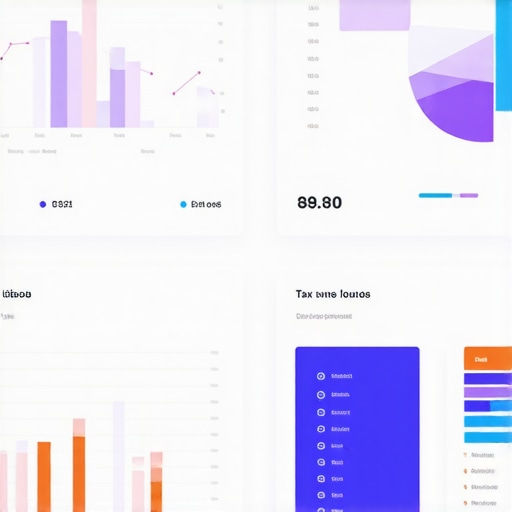
Image depicting a modern payroll dashboard showing real-time compliance alerts and multi-state tax updates. Alt: Modern payroll dashboard emphasizing compliance notifications. Title: Streamlined Payroll Management Dashboard
What My Experience Taught Me About Staying Prepared
One of the most eye-opening lessons I learned was the importance of proactive adaptation. Relying on outdated payroll setups felt safe until an unexpected compliance review revealed critical gaps—reminding me that complacency can be costly in a rapidly evolving legal landscape.
My Biggest Wake-Up Call: Ignoring Small State Changes Costs More Than You Think
Years ago, I dismissed minor tax law updates from smaller states, assuming they wouldn’t impact me. However, these overlooked adjustments compounded over time, culminating in a hefty penalty. This taught me to pay close attention to every legislative ripple, not just the big waves.
Finding the Right Balance Between Automation and Oversight
Integrating smart CPA tools transformed my payroll management, but I realized that automation isn’t a set-it-and-forget-it solution. Regular reviews and human insight are vital to catch nuances automated systems might miss, especially with 2026’s complex nexus laws.
My Top Resource for Navigating the Law Maze
I’ve relied heavily on the comprehensive guidance provided by smart CPA tools for seamless payroll and bookkeeping in 2024, which have helped me stay ahead of law changes. Their real-time updates and expert insights make compliance less daunting and more manageable.
Becoming a Trusted Voice in Secure Payroll Operations
Sharing these lessons has empowered me to lead by example, helping other small business owners navigate the shifting terrain. Remember, continuous learning and strategic use of technology are your best allies for a stress-free 2026.