
Have you ever felt that sinking feeling when opening your tax documents, realizing you might be leaving money on the table? I remember my first few years as an LLC owner, pouring over receipts and forms, only to find out I was missing out on potential deductions—and overpaying significantly because I simply didn’t know about the latest tricks. It’s a frustrating experience, one I bet many small business owners can relate to.
Why Missing Out on Tax Deductions Can Cost You Thousands
Every dollar you don’t claim as a deduction is a dollar you’re giving right back to the IRS. Especially now, with new rules rolling out for 2026, staying informed isn’t just smart—it’s essential for your financial health.
Is It Worth the Hassle to Keep Up With Changing Tax Laws?
Early in my journey, I made the mistake of assuming that once I filed my taxes, I was set for the year. I didn’t realize the importance of continually optimizing my deductions. That oversight cost me hundreds in unnecessary taxes. Now, I stay ahead of the curve by leveraging smart tools and expert advice, and I recommend every LLC owner do the same. You can find more practical strategies in our top CPA services for small businesses, which guide you through stress-free filing and deductions.
Understanding what’s new for 2026 can feel overwhelming, but it’s worth it. These updates aren’t just bureaucratic changes—they’re opportunities to legally lower your tax bill and boost your cash flow. So, let’s dive into what’s coming and how you can prepare to take advantage of these deductions.
Get Your Records in Order and Digitize Now
My first attempt at organizing my bookkeeping for the year involved manually sorting paper receipts—a nightmare that caused delays and errors. To avoid this, I adopted a digital bookkeeping system using reliable tools like QuickBooks or Xero. These platforms sync bank transactions automatically, reducing manual data entry and minimizing mistakes. This shift cut my reconciliation time by half and gave me instant insights into my cash flow, especially critical when preparing for upcoming tax changes. For efficient data handling, explore these smart CPA tools that automate data entry and reconciliation.
Identify and Claim All Eligible Deductions
The key to reducing your taxable income lies in understanding what expenses qualify. I once overlooked a significant deduction on my home office because I didn’t keep detailed logs. Now, I track business expenses daily, including utilities, supplies, and part of my rent, using expense categories in my accounting software. Don’t forget to review the latest changes for 2026, like the new gig economy tax rules—these can open additional deduction opportunities for freelancers and gig workers. To maximize deductions, review these strategies tailored for small businesses.
Ensure Compliance with Payroll Requirements
Payroll compliance can be complex, especially with evolving regulations. I once faced a penalty because I failed to report employee benefits correctly. After that, I implemented payroll automation using tools that integrate with my financial software, ensuring accurate withholding and timely filings. This approach not only saves time but also helps avoid costly fines. Stay ahead of the 2026 regulations by verifying your payroll setup against the latest rules using these efficient payroll strategies. Regular audits on payroll reports also catch discrepancies early.
Plan for Multi-State Tax Obligations
If your LLC operates in multiple states, managing nexus thresholds is vital. I once ignored a state registration requirement, resulting in penalties. Now, I proactively assess my business footprint using a checklist from this nexus requirement guide. Automating state-specific filings through cloud-based services ensures compliance and saves manual tracking efforts. This proactive approach is essential as states update laws affecting remote work.
Leverage Technology for Filing and Planning
Manual tax filing is prone to errors, especially with complex regulations. I switched to integrated tax software, which imports data directly from my bookkeeping platform, reducing calculation mistakes. Utilizing these smart CPA tools streamlines both bookkeeping and tax preparation, giving me confidence that all deductions are claimed. Additionally, scheduling quarterly reviews helps address potential issues early, avoiding last-minute stress during tax season.
Stay Updated and Educate Yourself Regularly
Tax laws evolve, and what worked last year might not apply now. I subscribed to industry updates and took short courses on recent changes, ensuring I wasn’t caught off guard. This ongoing education prevents costly mistakes and uncovers new planning opportunities. For comprehensive strategies, these expert tips can guide you through effective planning for the year ahead.Many small business owners believe that choosing a generic CPA or basic bookkeeping service suffices for their unique needs, but in reality, this approach often overlooks critical nuances that can cost you thousands. One common misconception is that all CPA services are created equal—however, specialized solutions like smart CPA tools are designed to address the intricate complexities of modern tax laws and multi-state compliance, which generic services often fail to handle effectively. Relying solely on traditional methods can lead to costly errors, especially as regulations evolve rapidly. For instance, automation in payroll and bookkeeping isn’t just a convenience anymore; it’s a necessity to prevent the common pitfalls that cause expensive audits and fines. Skipping these details might seem insignificant initially, but neglecting to leverage advanced tools and tailored services can undermine your entire financial strategy. Curious about how to avoid these costly traps? Dive into our comprehensive guide on smart CPA tools, and find out how expert solutions can elevate your business. Remember, the devil is in the details—staying proactive with advanced tools and specialized services isn’t just smart; it’s essential for sustainable growth. Have you ever fallen into this trap? Let me know in the comments.
Maintaining Your CPA System for Long-Term Success
Keeping your accounting, bookkeeping, and payroll systems efficient demands more than just set-it-and-forget-it mindset. I’ve learned firsthand that the right tools, regular updates, and disciplined routines are essential to sustain accuracy and compliance. Personally, I rely heavily on advanced software integrations that automate manual tasks, ensuring my data remains accurate and up-to-date, reducing errors and saving countless hours annually. For instance, these smart CPA tools are instrumental in minimizing inventory valuation gaps—an issue that can snowball if left unchecked. Incorporating such tools has transformed my approach from reactive to proactive, enabling me to catch discrepancies early and correct them before they escalate.
How do I maintain my CPA systems over time?
Consistency is key. I schedule monthly reviews of my bookkeeping and payroll reports, ensuring everything aligns with the latest regulations. Automating compliance checks through cloud-based services helps me stay current, especially with evolving regulations like those anticipated in 2026. Additionally, I keep my software updated and regularly attend webinars or courses about new features or legal changes. This ongoing education allows me to adapt quickly and integrate new strategies seamlessly into my workflow.
One practical tip I recommend is leveraging automated payroll management strategies, which not only streamline processes but also mitigate the risk of costly errors. By using tools like those discussed in top payroll management techniques, you can maintain compliance across remote teams and multiple states, especially as laws become more complex. Staying ahead with these strategies ensures your tax filings, benefits, and employee payments are all correctly managed, reducing the chance of penalties or audits.
Predicting the Future of CPA Maintenance
Looking ahead, I believe automation and AI will play an even greater role in sustaining CPA systems. Advanced analytics will provide real-time alerts for anomalies, while machine learning algorithms will adapt to regulatory changes faster than humans. For example, future updates could automatically flag discrepancies based on evolving tax law nuances, much like those detailed in this resource. Embracing these innovations now will prepare you to scale effortlessly and stay compliant with minimal manual effort.
If you’re ready to solidify your CPA maintenance routine, start by implementing automated reconciliation tools and scheduling regular compliance audits. These proactive practices will serve as the backbone of your long-term success, ensuring your systems stay efficient and accurate as your business grows.
To get started, I suggest trying the advanced reconciliation strategies discussed above—they’ve saved me hours every month and significantly improved data accuracy. Take the first step today by exploring how automation can revolutionize your bookkeeping process.
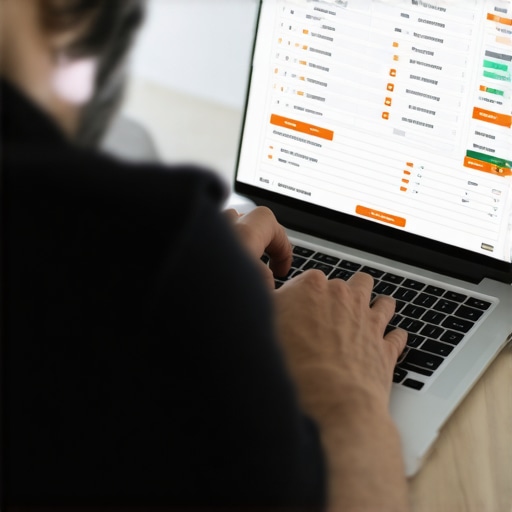
As I reflect on my journey with smart CPA services, I realize that some lessons are too valuable to keep to myself. These insights not only transformed my approach but also revealed the real potential of meticulous bookkeeping and proactive tax planning. If you’re aiming to elevate your small business, these insider truths might be just what you need.
Why Overlooking These Small Details Cost Me a Fortune
One of the biggest surprises was how minor bookkeeping oversights—like neglecting to log certain expenses—became costly errors during audits. I learned the importance of integrating intelligent tools that automatically flag inconsistencies, saving me from expensive fines and stress. Recognizing these pitfalls early made me appreciate the power of automation and attention to detail, especially with evolving regulations heading into 2026.
Stop Ignoring the Power of Real-Time Data
Initially, I relied on end-of-year summaries, which delayed my response to financial shifts. Transitioning to real-time dashboards provided immediate insights, helping me adjust deductions and manage payroll more effectively. This shift not only optimized my tax positions but also boosted my cash flow management. Tools like seamless integration between bookkeeping and payroll systems are game-changers for small business owners seeking agility in a changing landscape.
My Top Strategies to Keep Your Business Ahead
I found that regular audits, automated compliance checks, and staying updated through expert resources made all the difference. Implementing these practices minimized errors and kept my business aligned with new laws, especially vital as 2026 brings fresh challenges. Exploring resources like these smart CPA tools has been instrumental in maintaining smooth operations and maximizing deductions.
What I Wish I Had Done Sooner
Investing early in automated payroll management and proactive tax strategy could have saved me thousands. Learning to leverage these advanced solutions has been a pivotal moment in my business growth. If you’re still hesitant to embrace automation, remember that the right tools not only prevent costly mistakes but also free up your time to focus on scaling your enterprise.
The Insider Wisdom That Can Save You Money and Stress
- Prioritize digital record-keeping with reliable software to avoid manual errors and delays.
- Stay informed about the latest tax law changes, especially those affecting multi-state and gig economy owners.
- Leverage automation tools for payroll and bookkeeping to streamline compliance and save hours monthly.
- Schedule regular reviews to catch discrepancies early before they become costly audits.
- Invest in ongoing education and expert advice to navigate the complexities of 2026 tax updates confidently.
Resources That Elevated My Small Business Journey
Over the years, I’ve relied on specific tools and knowledge sources that continue to support my success. These smart CPA tools help me automate and audit effortlessly. Books like “Tax Planning Strategies for Small Business” expanded my understanding, and industry webinars keep me ahead of regulatory changes. These resources are essential for any small business owner who wishes to stay compliant and competitive.
Your Next Move: Take Charge of Your Financial Future
Empowering yourself with the right knowledge and tools transforms your business from reactive to proactive. The future of smartcpaservices, bookkeeping, tax filing, payroll, and CPA services depends on embracing automation and continuous learning. Start today—review your systems, explore new solutions, and stay curious about how innovative practices can lead to growth and peace of mind.
What’s one small change you can implement now to improve your business’s financial health? Share your thoughts below—I’d love to hear your experiences.
,