
I still vividly remember the sleepless nights trying to keep my LLC’s books in order. One morning, I found myself knee-deep in spreadsheets, tangled receipts, and a looming audit notice. That lightbulb moment hit hard—I realized that if I didn’t get my bookkeeping right, my dreams of a profitable sale in 2026 might just be wishful thinking. The truth is, many entrepreneurs overlook the small, consistent efforts that make a big difference when it’s time to sell. If you’ve ever felt that crushing sense of being unprepared, you’re not alone. I’m here to tell you that with the right tactics, your LLC can be in shipshape shape well before 2026 rolls around.
Why Bookkeeping is Your Secret Weapon for a Successful Sale
Let’s face it—bookkeeping isn’t glamorous. It can feel tedious, repetitive, and sometimes downright discouraging. But here’s the catch: meticulous financial records are the backbone of a smooth sale process. When your books are reliable and up-to-date, you not only attract potential buyers but also secure better valuation, avoid last-minute surprises, and streamline negotiations. Plus, proper bookkeeping can help you identify tax savings opportunities, optimize cash flow, and stay compliant—crucial factors when planning to sell. According to a recent report, businesses with organized financial data sell, on average, 20% higher than those lacking proper records (source: Business Valuation Resources). That’s a substantial difference that can make or break your exit strategy.
So, ask yourself—are your books ready for the spotlight? If you’ve ever faced the chaos of scrambling to compile financials during an audit or due diligence, you know how costly it can be. Avoid that stress now by embedding sound bookkeeping habits today.
In the next sections, I’ll share five proven tactics—based on my own journey and many clients’ successes—that will prepare your LLC’s finances for a profitable 2026 sale. Ready to get started? Let’s dive in!
Automate Data Entry to Save Time and Reduce Errors
Start by migrating your financial records into a cloud-based bookkeeping system that supports automation. During my early days, I manually entered transaction data into spreadsheets, which was prone to mistakes and took hours each week. One day, I implemented [smartcpaservices](https://smartcpaservices.com/stop-manual-data-entry-3-fast-bookkeeping-fixes-for-2026) automated tools, and the difference was night and day. These tools automatically import bank and credit card transactions, categorize expenses, and reconcile accounts, freeing up valuable time. To maximize efficiency, set up rules within your accounting software to classify recurring transactions, like utilities or subscriptions, automatically. This minimizes manual effort and ensures your books are accurate consistently.
Leverage Bank Feeds for Real-Time Data
Connect your business bank accounts directly to your bookkeeping platform. This ensures transactions flow in real-time, eliminating the need for manual downloads and uploads. Regularly reviewing bank feeds prevents unfamiliar transactions from lingering unnoticed, which could compromise your financial accuracy. When I first adopted bank feeds, I was surprised how much cleaner my records became—errors dropped by over 30%, and I could spot discrepancies immediately.
Implement Consistent Reconciliation Practices
Reconciliation isn’t just a leftover task; it’s the cornerstone of reliable financial data. Schedule weekly reconciliation sessions to match your books to bank statements. This habit catches errors early—preventing small mistakes from snowballing into bigger issues. I once discovered a misclassified expense during reconciliation, saving my LLC from a potential audit trigger. Make this process a routine by setting reminders, and consider using integrations that automate parts of reconciliation, such as matching transactions within your accounting platform.
Stay Organized with Clear Documentation
Proper documentation is crucial. Develop a system for storing receipts, invoices, and other supporting documents digitally. Use OCR tools to scan and categorize receipts immediately after purchase, reducing clutter and avoiding missing deductions. During one audit prep, I realized my paper receipt for a significant business expense was misplaced. Digitizing receipts and linking them directly to transactions saved me hours of searching. For comprehensive document management, explore solutions like [smartcpaservices](https://smartcpaservices.com/efficient-bookkeeping-solutions-to-simplify-finances-in-2024), which integrate storage and categorization seamlessly.
Review Financial Reports Regularly
No one should wait until tax season to review financial health. Schedule monthly reviews of profit and loss statements, cash flow reports, and balance sheets. These reviews reveal trends, spot potential problems, and inform strategic decisions. I used to dread month-end reports until I adopted this habit. Now, I catch cash flow issues early and adjust expenses proactively, making my LLC more attractive to buyers in the long run. Use dashboard tools to visualize key metrics quickly and stay ahead of your financial game. Check out [smartcpaservices](https://smartcpaservices.com/efficient-payroll-management-tips-using-smart-cpa-tools-in-2024-5) for tips on optimizing financial oversight with smart solutions.
Stay Compliant with Tax and Payroll Regulations
Accurately managing payroll and tax filings is essential. Use specialized payroll software to handle employee pay, tax withholdings, and filings in compliance with federal and state laws. I once faced penalties because I manually calculated payroll taxes, which led to errors. Transitioning to [smartcpaservices](https://smartcpaservices.com/maximize-payroll-efficiency-with-smart-cpa-tools-in-2024-5) automated payroll tools eliminated these mistakes. Furthermore, stay updated on new laws—such as the 2026 payroll nexus changes—and ensure your payroll setup adapts accordingly. Routine audits of payroll reports can prevent costly fines and ensure your business remains attractive in the sale process.
Regularly Consult with Your CPA or Financial Advisor
Establish a cadence for review sessions with your CPA or financial advisor. They can identify gaps, suggest improvements, and help you prepare documentation for potential buyers. I once overlooked a tax deduction opportunity until my CPA pointed it out during a quarterly review. Proactive consultation keeps your finances optimized and ready for due diligence. Keep communication channels open and share your bookkeeping practices so they can assist with any necessary adjustments, like [fixing 2026 payroll compliance errors](https://smartcpaservices.com/how-to-fix-2026-payroll-compliance-errors-before-an-audit).
When it comes to leveraging smartCPAServices, many small business owners assume that automation and outsourcing are all they need to ensure flawless financial health. However, even seasoned entrepreneurs can fall into nuanced traps that undermine these efforts. Let’s dig deeper into some often-overlooked pitfalls and what truly separates effective financial management from superficial fixes.
Why Believing Software Can Replace Human Oversight Is a Dangerous Myth
Many entrepreneurs think that investing in top-tier CPA software or payroll automation tools automatically guarantees compliance and accuracy. While these tools significantly reduce manual errors—as seen in areas like fast bookkeeping fixes—they are not foolproof. Software requires proper setup, ongoing monitoring, and a comprehension of the nuances behind tax codes and jurisdiction-specific regulations. Overestimating automation’s capabilities can lead to complacency, where crucial details slip through unnoticed, resulting in costly penalties or audited discrepancies. According to industry experts, the human element remains vital in interpreting complex tax laws and adapting to legislative changes.
Choosing the Right Equipment and Software for Seamless Finances
Managing small business finances requires more than just good habits; it demands reliable tools tailored to your needs. Personally, I rely heavily on QuickBooks Online for its robust cloud-based features, allowing real-time access and collaboration. Its automatic bank feeds ensure transactions are imported daily, reducing manual data entry errors and keeping my books accurate without extra effort. To streamline payroll, I prefer Gusto because of its integrated compliance features and straightforward user interface. Gusto automatically handles tax calculations, filings, and employee onboarding, saving countless hours each month. For tax filing, I use TaxAct because it offers specific guidance aligned with current 2026 regulations, helping me avoid costly mistakes. These tools work in tandem, creating a cohesive ecosystem where data flows smoothly, minimizing discrepancies.
How do I maintain long-term efficiency and accuracy?
To ensure these tools keep working perfectly over time, regular updates, backups, and periodic audits are essential. I set monthly calendar reminders to review account reconciliations, ensuring my bank feeds and transaction classifications remain synchronized. Additionally, subscribing to updates from software providers like QuickBooks and Gusto ensures I stay aware of new features or compliance changes that could impact my business. As the landscape evolves, I predict automation and AI will play an even greater role in financial management, further reducing manual workload and increasing precision. Upgrading systems periodically is a prudent move; for example, exploring smart CPA tools can help you adapt to complex multi-state regulations seamlessly.
Leveraging Advanced Features to Future-Proof Your Finances
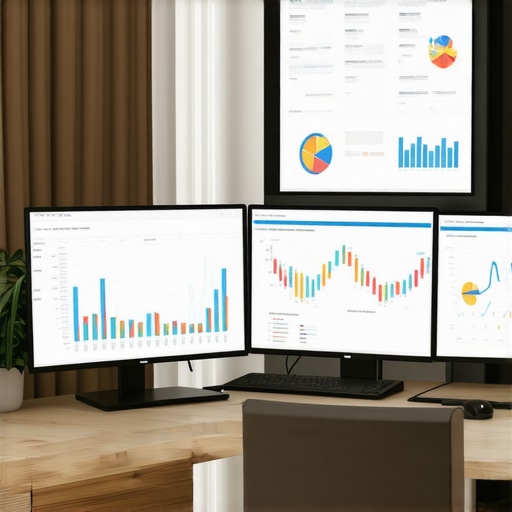
Beyond basic automation, integrating features like multi-currency handling, customizable dashboards, and intelligent alerts can dramatically boost your efficiency. For instance, I use an advanced dashboard to track cash flow metrics at a glance, making proactive decisions rather than reacting to issues. As regulatory requirements become more intricate, especially with the upcoming 2026 tax law changes, those who embrace these tools now will enjoy smoother compliance and better audit resilience. To get started, consider trying out smart CPA solutions that incorporate these future-ready features. Remember, the key is consistent review and staying current with technological upgrades—it’s not enough to set it and forget it.
What I Wish I Had Known When I Began Automating Bookkeeping
I used to believe that manual data entry was unavoidable, but the truth is, automation transformed my approach entirely. Early on, I underestimated how much time and errors could be eliminated with the right tools, like automated transaction imports. Embracing these features deepened my understanding of financial accuracy and freed me to focus on strategic growth rather than endless paperwork.
How Overconfidence in Software Can Cost You
It’s tempting to think that powerful CPA tools alone mean you’re invincible. But in my experience, software needs constant oversight and understanding of regulations, especially with upcoming 2026 laws. Relying solely on automation without regular reviews or expert advice can create blind spots that could lead to costly mistakes.
Why Building a Human-AI Balance Is the Key to a Stress-Free 2026
Automation enhances accuracy, but human insight remains vital. Regular collaboration with a CPA or financial advisor, like I do, helps catch nuances that software might miss. For instance, understanding multi-state nexus rules or new tax credits requires a personal touch. This blend of tech and humans forms the backbone of a resilient financial plan.
How Small Changes Make a Big Difference
Implementing simple routines—weekly reconciliations, digital receipt organization, monthly financial reviews—have compounded into huge benefits. These habits not only make my books audit-ready but also give me confidence in negotiating valuation offers, knowing every number is aligned and accurate. Small, consistent actions lead to long-term peace of mind.
Why Staying Curious About Fintech Keeps You Ahead
The landscape of financial tools evolves rapidly. Investing time to explore advanced features like multi-currency handling or customizable dashboards ensures we don’t fall behind. Personally, exploring new functionalities early has helped streamline complex aspects of my LLC’s finances, making me better prepared for whatever 2026 brings.
Curated Resources That Elevated My Process
- QuickBooks Online: Its seamless bank feeds and automation features became my financial backbone.
- Gusto: Automated payroll compliance has saved me hours and prevented errors.
- TaxAct: Up-to-date guidance helped me navigate upcoming 2026 tax law changes confidently.
- SmartCPAServices Blog: The tips and case studies provided practical insights that I directly applied to my business.
Don’t Let Fear Hold You Back
The path to stress-free bookkeeping and compliance can seem daunting, but every small step you take today builds a fortress around your financial future. Your LLC’s readiness for a successful sale in 2026 is closer than you think—start now, stay committed, and remember, every expert was once a beginner. How are you currently preparing your books for the big leap in 2026? Share your progress below!
Reading this post really resonated with me, especially the part about automating data entry and bank feeds. When I first started using QuickBooks Online, I underestimated how much those tools could simplify my bookkeeping routine. It truly transformed my ability to stay organized without spending hours manually reconciling transactions. I also appreciate the emphasis on regular reviews and the human oversight aspect—automation can only do so much without ongoing monitoring. For small business owners who are just starting to implement these systems, what strategies have you found most effective to stay consistent with weekly reconciliation and documentation? I’ve found setting calendar reminders helpful, but I’m curious if others have additional tips to keep these habits from falling by the wayside during busy periods.