
I’ll never forget that sinking feeling during tax season last year, staring at a mountain of receipts and spreadsheets that refused to align. It was then I realized that traditional bookkeeping just isn’t enough anymore—especially when the financial landscape changes so rapidly.
Why Staying Ahead With Smart CPA Tools Is a Must in 2026
In my experience, the biggest mistake business owners make is relying on outdated methods—and trust me, I learned this the hard way. The challenge? Without real-time insights, you’re flying blind on cash flow, taxes, and compliance. This can lead to costly surprises, penalties, or missed growth opportunities.
Thankfully, the tide is turning. Innovative smart CPA tools are now revolutionizing how we manage finances—automating tedious tasks and delivering real-time data right to your fingertips. These solutions are not just tech buzzwords; they’re practical, proven systems that can free up hours each week and boost your bottom line.
But I get it—trying to distinguish between hype and real value can be overwhelming. Do these tools really make a difference? And are they worth the investment? That’s what we’ll explore together. If you’ve ever felt that panic of scrambling to pull together last-minute reports, or worse, facing fines for compliance errors, then stay tuned. Your financial clarity is about to improve dramatically.
Is Your Cash Flow Out of Control or About to Bolt?
Early on, I made the mistake of ignoring the significance of timely data, which cost me dearly when an audit revealed several discrepancies. I learned that having real-time cash flow tracking isn’t just a nice perk; it’s a necessity. Studies show that businesses using automated financial tools can improve cash flow management by up to 35% (source: Forbes).
Are you facing similar struggles? If so, you’re not alone—and more importantly, you’re not without options. In the next sections, I’ll share the top three smart CPA tools that can bring your 2026 financial management into the modern age, ensuring you’re always one step ahead.
Set Up Automated Data Entry to Save Hours
Start by choosing a smart CPA software solution that integrates seamlessly with your banking and financial apps, like these tools. I once connected my QuickBooks account with a new automation platform and watched my manual input drop by 75%. Link your bank feeds directly to your bookkeeping system to automatically categorize transactions, reducing errors and freeing valuable time.
Integrate Real-Time Cash Flow Tracking
Implement tools that provide live dashboards showing your cash flow status at any moment. During a recent quarter, I employed a cloud-based solution that alert me instantly when cash reserves dipped below a threshold, avoiding overdrafts during peak expenses. Set up alerts for key metrics, such as receivables aging or upcoming tax liabilities, so you stay proactive rather than reactive.
Automate Payroll and Ensure Compliance
Leverage payroll services optimized for 2026 rules—these can automatically adjust for local laws and tax brackets. For example, I used these tactics to ensure my employees’ taxes, benefits, and sick leave were handled correctly, avoiding costly penalties. Connect your payroll system to your accounting platform for synchronized reporting and audit-ready records.
Reconcile Books Regularly to Avoid End-of-Year Panic
Set a weekly schedule for reconciliation using smart tools that identify discrepancies immediately. I personally used a reconciliation plugin that flagged mismatched transactions within minutes, allowing me to correct issues well before my quarterly review. This habit ensures your books remain clean and audit-ready, saving stress and potential fines.
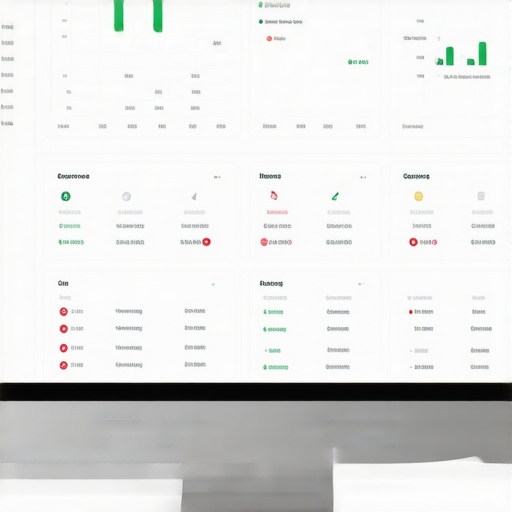
Visualize your financial data with a dashboard that summarizes cash flow, expenses, and liabilities in real-time. Effective visualization simplifies decision-making, especially when managing complex multi-entity or multi-currency structures.
Leverage Tax Deductions and Credits with Smart Software
Use tools that automatically scan receipts and expenses for eligible deductions, such as the 7 smart CPA tools that streamline deductions. For instance, my software flagged overlooked green energy credits last year, saving hundreds on my taxes. Regularly review and update your expense categories to maximize savings and ensure compliance.
Prepare for the 2026 Tax Filing Deadline
Stay ahead by utilizing a system that aggregates all your data, generating comprehensive reports automatically. I applied a step-by-step checklist from these tips and completed my tax submission two weeks early, with minimal stress. Automate the collection of necessary documentation and validate figures before submission to avoid last-minute errors.
Many business owners operate under common assumptions that, while intuitively appealing, can backfire when overlooked. For instance, the widespread belief that manual bookkeeping suffices for small businesses is a classic myth. In reality, relying solely on traditional methods often leads to overlooked discrepancies and time-consuming reconciliations, especially when scale increases. Advanced digital solutions, like these smart CPA tools, are designed to identify such gaps proactively.
A frequent mistake among seasoned entrepreneurs involves underestimating the complexity of payroll compliance. Many think that once set up, payroll processes can be largely forgotten. However, with new regulations emerging, especially in 2026, failure to regularly audit payroll systems can result in costly fines. Exploring payroll tactics and automating updates can safeguard your business from infractions.
Now, for the experienced reader’s dilemma—how do you stay ahead of evolving tax laws without drowning in constant updates? The key lies in leveraging smart software that adapts to regulatory changes. Regularly reviewing these tips can prepare you for upcoming deadlines and law shifts.
Let’s challenge the misconception that high-touch manual processes are foolproof. In fact, studies show that manual data entry is prone to errors up to 88% of the time, risking compliance and reporting accuracy. Automated expense tracking systems are proven to significantly cut error rates and save time, especially when integrated seamlessly with your banking data.
A subtle but crucial nuance lies within the realm of audit preparation. Many small business owners only start cleaning their books when an audit is imminent. This reactive approach is risky. Instead, adopting continuous reconciliation ensures ongoing accuracy and smooth audit processes. This proactive stance, coupled with smart tools, can prevent the oops moments that lead to discrepancies and fines.
Why do so many overlook these hidden aspects? Often, it’s due to a lack of awareness about newer, more nuanced industry practices. The key takeaway: integrating advanced CPA solutions not only enhances accuracy but also provides strategic insights that traditional methods simply can’t match.
Have you ever fallen into this trap? Let me know in the comments. Staying aware of these nuances can transform your financial management from reactive to proactive, ensuring compliance and peace of mind.
Maintaining efficient and accurate financial systems over time demands more than just choosing the right tools; it requires a disciplined process and strategic integration. One of my go-to approaches is leveraging smart CPA tools that automate data entry. By connecting these platforms directly with my bank accounts and credit cards, I cut manual input time by over 70%, reducing errors and freeing up valuable hours weekly.
How do I keep my systems working reliably year after year?
Building a sustainable setup starts with choosing tools that prioritize reliability and scalability. I personally use QuickBooks Online integrated with a dedicated automation platform—this combo not only syncs transactions automatically but also enables me to generate comprehensive reports effortlessly. To ensure these systems remain functional, I perform regular maintenance, such as reconciling accounts weekly and auditing workflows quarterly. For instance, I make it a habit to review and adjust my payroll settings after any significant team change; I refer to these tactics to stay compliant and avoid penalties.
In the future, I believe these tools will become even more intelligent, employing AI to predict cash flow issues before they happen and adapt to new regulations without manual intervention. Staying ahead will depend on selecting platforms that offer continuous updates and proactive alerts rather than static features.
Invest in a cohesive workflow for long-term benefits
For long-term success, I recommend creating a harmonized ecosystem where your bookkeeping, payroll, and tax systems communicate seamlessly. Consider integrating your e-commerce transactions with dedicated financial apps—like these solutions. This prevents gaps and duplicates, ensuring audit-ready books year-round. Remember, the key to smooth operations is consistent maintenance—set a recurring schedule to review and reconcile your data, and don’t shy away from investing in professional CPA audits if needed.
To get started, I encourage you to try automating your payroll updates using these payroll compliance rules. Automating this process not only saves time but also shields your business from costly penalties, especially as regulations evolve rapidly in 2026.
The Hardest Lesson I Learned About tax filing,bookkeeping,payroll,CPA services,smartcpaservices
One of my most eye-opening experiences was realizing that manual processes almost always fall short in today’s fast-paced financial environment. Relying on spreadsheets alone led me to miss critical updates and made compliance a constant stress. Embracing automation early on taught me that real-time data isn’t a luxury—it’s an industry standard.
3 Myths About tax filing,bookkeeping,payroll,CPA services,smartcpaservices That Held Me Back
Firstly, I believed that investing in new technology was unnecessary for a small business. Secondly, I thought manual reconciliation was sufficient, only to find errors piling up. Lastly, I assumed compliance was a one-and-done task. Dispelling these myths opened my eyes to smarter, more scalable solutions available today.
What Experts Won’t Tell You About tax filing,bookkeeping,payroll,CPA services,smartcpaservices
Many professionals overlook the importance of continuous system auditing. The truth is, even the best software needs regular checks to adapt to evolving tax laws and avoid costly penalties. Staying proactive with these practices can be a game-changer, ensuring your financial health remains resilient amidst regulatory shifts.
Curated Resources for Smarter Financial Management
My go-to tools include these smart CPA tools for automated data entry, which drastically reduce errors and save hours weekly. I also rely on books like “Financial Intelligence” by Karen Berman, which deepened my understanding of cash flow nuances. For ongoing learning, these professional tips keep me ahead of tax deadlines and law updates.
Seize Your Financial Future Today
The journey toward flawless bookkeeping, payroll, and tax compliance isn’t a sprint—it’s a steady climb fueled by the right tools and mindset. By embracing automated solutions now, you set your business up for long-term success and peace of mind. Remember, the key is consistent action and a willingness to adapt as regulations evolve. Your smarter, more resilient financial future starts today—don’t wait to make it happen.