I remember the exact moment I realized I had been leaving hundreds, maybe thousands, of dollars on the table every year without even noticing. It was during a late-night tax session, frantically digging through pages of IRS guidelines, when I stumbled upon a small paragraph about energy credits. The realization hit like a lightning bolt: my home office could qualify for these new credits, which could significantly cut my tax bill. Why hadn’t I been told about this earlier?
If you’re like me, you might feel overwhelmed by the sheer volume of new rules and credits introduced for 2026. But here’s the good news: there are five specific energy tax credits that your home office likely qualifies for, and understanding them could be a game-changer for your finances.
Why You Can’t Afford to Miss Out on These 2026 Credits
Every year, countless home-based entrepreneurs overlook valuable tax incentives simply because they’re unaware of the latest updates. With the 2026 energy tax credits, the stakes are even higher—these credits are designed to reward sustainable and energy-efficient home improvements, making it a win-win for both your wallet and the planet.
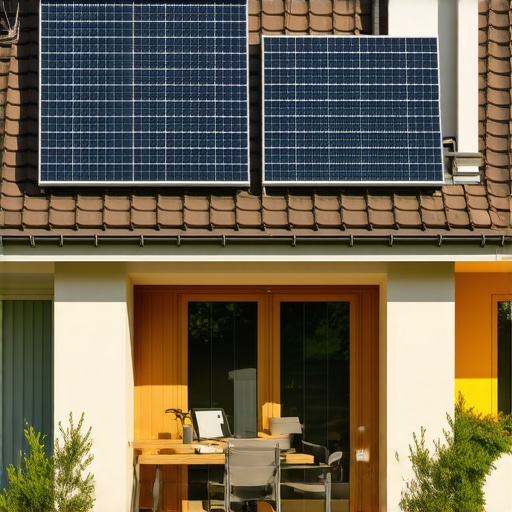
One surprising fact is that the IRS increased certain energy credits by up to 30% for qualifying upgrades in 2026, according to recent government reports. This means if you’re planning to upgrade your home office with solar panels, energy-efficient windows, or insulation, now is the time to act.
Making these changes not only reduces your energy bills but also boosts your chances of claiming significant tax deductions. However, many small business owners make the mistake of assuming these credits are complicated or only available for large corporations. Early on, I myself thought that claiming energy credits was a hassle, and I almost skipped out on claiming mine. Trust me, missing out because of misconceptions is a common trap.
To ensure you’re making the most of these opportunities, I recommend reviewing how to claim these credits properly, avoiding penalties, and maximizing your savings. If this sounds familiar or you’re unsure about the steps, I suggest checking out resources on smart CPA tools that can help track and optimize your deductions, like [this guide on multi-currency bookkeeping in 2026](https://smartcpaservices.com/4-smart-cpa-tools-to-finish-2026-tax-filing-fast).
In the upcoming sections, we’ll dive into the specific credits you need to be aware of and how to implement strategic upgrades in your home office to benefit from them fully. So, have you already faced the dilemma of whether your home improvements qualify? Let’s explore how to turn your efforts into tax savings.
Assess Your Current Home Office Setup
Start by evaluating your current energy efficiency. Is your insulation up to date? Are your windows energy-efficient? Conduct a simple audit: check for drafts, insulation gaps, and outdated appliances. This step helps you identify which modifications will maximize your credits and savings.
Prioritize Strategic Upgrades
Focus on high-impact improvements like installing solar panels, upgrading to Energy Star-rated windows, or adding insulation. When I renovated my office space, I began by replacing old windows with energy-efficient ones. Not only did my energy bills drop, but I also qualified for a substantial tax credit, resulting in a quick return on investment.
Document Everything Meticulously
Keep detailed records of purchases, installation dates, and expenses. Save receipts, contracts, and before-and-after photos. For example, I used a dedicated folder on my cloud storage to organize photos and invoices, which made claiming the credits straightforward during my tax filing.
Understand Eligibility and Claim Processes
Learn which credits you qualify for based on your upgrades. Visit the IRS website or consult a CPA to verify your eligibility. For complex cases, utilizing smart CPA tools like these tools can streamline tracking your qualifying expenses across multiple projects.
Coordinate with Tax Professionals
Engage a CPA familiar with 2026 energy credits. Share your documentation and upgrade plans. When I first tried claiming my credits, I overlooked some deductions because I lacked proper guidance. After consulting a CPA, I identified additional credits I could claim, which lowered my tax bill significantly.
Integrate Upgrades into Your Bookkeeping System
Accurately record expenses related to energy upgrades in your accounting software. Use smart bookkeeping solutions that sync with your bank feeds, ensuring no expense slips through the cracks. Proper bookkeeping not only simplifies tax filing but also helps in future audits.
Leverage Automation to Track Progress
Use automation tools to monitor ongoing improvements and related expenses. Setting up alerts for project milestones or expense thresholds helps you stay organized. During my upgrade project, a simple automation reminder made me aware of upcoming deadlines for receipts, saving me from last-minute scrambling.
Plan for Future Upgrades Early
Create a timeline for upcoming energy-efficient projects. The earlier you plan, the more accurately you can document expenses and ensure eligibility. For instance, scheduling solar panel installation in the first quarter of 2026 allowed me ample time for documentation and maximizing credits before year-end.
Monitor Changes in Tax Laws
Tax regulations evolve, so stay updated on new credits or limits introduced during 2026. Regularly check IRS updates or subscribe to CPA newsletters. I found that subscribing to a CPA newsletter provided timely alerts on changes, preventing misfiled claims or missed opportunities.
Many entrepreneurs believe that hiring a CPA or relying on automated bookkeeping tools guarantees perfect tax compliance and maximized savings, but the reality is more nuanced. In my experience, one of the biggest myths is that smartcpaservices and automated systems can completely replace strategic oversight. While these tools are invaluable, overestimating their capabilities can lead to costly mistakes, such as overlooking critical compliance nuances or misinterpreting tax law changes. For instance, most small businesses underestimate the complexity of multi-state payroll compliance, which can trigger audits and penalties if not managed carefully. It’s crucial to understand that these systems require expert guidance to interpret their outputs effectively—otherwise, they might inadvertently perpetuate errors.
A common trap many fall into is assuming that automating bookkeeping tasks reduces the need for ongoing professional review. On the contrary, automation should complement your strategic planning, not replace it. Regular audits and consultations with a knowledgeable CPA ensure your processes adapt to evolving regulations like the 2026 payroll nexus laws, which have become increasingly complex. This is especially critical when dealing with remote teams across multiple states, where nexus issues can inadvertently create liabilities. You can learn more about resolving these issues at this resource on payroll nexus issues.
For those looking to optimize their bookkeeping before tax season, understanding the advanced features of smart CPA tools can be a game-changer. For example, integrated real-time cash flow tracking helps identify potential gaps before they impact your tax filings, reducing surprises during audits. The key is to see these tools as part of a broader strategic framework rather than standalone solutions. I recommend exploring these top tools to enhance your bookkeeping efficiency.
Strategic tax planning also involves understanding when to conduct mid-year audits or revisions, especially in light of new laws like the 2026 business exit strategies that could influence your portfolio. Consulting a CPA early can reveal opportunities for deductions or credits you might not be aware of, such as specialized energy credits or foreign income considerations. You can dive deeper into this topic with this strategic planning guide.
Remember, the goal isn’t just compliance—it’s optimizing your financial health proactively. Relying solely on automation without strategic oversight can lead to overlooked deductions or unintended liabilities. The integration of expert CPA advice and smart tools is the best approach to navigate the complexities of 2026 regulations effectively.
Have you ever fallen into this trap? Let me know in the comments.Maintaining optimal efficiency in your CPA practices requires the right combination of software, automation, and consistent review. Over the years, I’ve fine-tuned my toolkit to ensure compliance, accuracy, and scalability—especially with the evolving regulations in 2026. One cornerstone of my routine is leveraging cloud-based bookkeeping platforms like Smart CPA solutions. This system seamlessly integrates with multiple bank accounts and payment processors, allowing me to reconcile transactions in real time and prevent gaps before they become audit triggers.
For payroll management across diverse states, I rely on automated payroll tools. These are invaluable for compliance with the 2026 nexus laws and local sick leave regulations. I set up automated alerts for payroll thresholds and tax deadline reminders, which minimizes errors and penalties.
Automation isn’t just for data entry—it’s a strategic advantage. I utilize cash flow tracking dashboards that sync with my accounting software, providing real-time insights into my net working capital. This proactive approach helps me plan tax payments accurately and avoid cash crunches during tax season.
How do I maintain these tools over time? Regular updates and periodic audits are essential. For example, every quarter, I review my integrations and workflows to ensure compatibility with the latest IRS rules and software patches, referencing trusted guides like the one from this article. This habit prevents data silos and keeps my processes lean.
Looking ahead, I predict the trend toward smarter automation—using AI-driven compliance checks and predictive analytics will become standard. Preparing now means setting up systems that can adapt with minimal human intervention, improving accuracy and freeing valuable time for strategic planning.
To truly optimize your operations, try implementing real-time cash flow tracking with alerts, as I described. Setting this up in your existing tools can make a significant difference in your ability to catch potential issues early and stay compliant without last-minute panic.
Lessons That Changed My Approach to Smart CPA Strategies
One of the most profound lessons I learned was the importance of proactive planning over reactive tax filing, especially with intricate credits like those in 2026. I used to wait until the last moment to gather documents, but now I realize that early documentation and strategic upgrades can turn a mundane tax season into a significant savings opportunity.
Secondly, I underestimated the value of understanding evolving laws. Staying ahead of changes like the 2026 energy credits and nexus laws means my strategies are not just compliant but optimized for maximum benefit. It’s a game-changer I wish more entrepreneurs would adopt early.
Finally, I found out that leveraging expert advice isn’t a sign of weakness but a pathway to clarity. Relying solely on automation tools without professional oversight can lead to missed deductions or penalties. A trusted CPA relationship is the secret weapon in navigating this complex landscape.
My Must-Have Resources for Smarter Home Office Upgrades and Tax Savings
- Smart CPA tools: I personally trust [these tools](https://smartcpaservices.com/4-smart-cpa-tools-to-sync-your-2026-e-commerce-books) because they seamlessly integrate my bank feeds and expenses, simplifying my bookkeeping and credit claims.
- IRS guidelines on energy credits: Regularly reviewing IRS updates ensures I don’t miss any new opportunities. The official IRS website is an invaluable resource to verify eligibility and claim processes.
- Professional CPA Advisory: Building a relationship with a CPA who understands 2026 law updates has saved me from costly missteps. Their insights are worth their weight in gold.
- Educational articles from trusted industry sources: Subscribing to newsletters like those from [Smart CPA services](https://smartcpaservices.com/5-smartcpaservices-tips-to-finish-2026-tax-filing-fast) keeps me current on the latest strategies that work.
Your Next Step: Turn Knowledge Into Action
The path to maximizing your home office’s energy incentives in 2026 starts with awareness and deliberate action. Don’t let misconceptions or procrastination hold you back from tapping into these valuable credits. Take the initiative now—evaluate your current setup, consult with a CPA, and embrace automation as a strategic partner. The benefits are waiting, and your future self will thank you for the steps you take today. How are you planning to ensure your upgrades qualify for the 2026 energy credits? Share your thoughts below!🎯