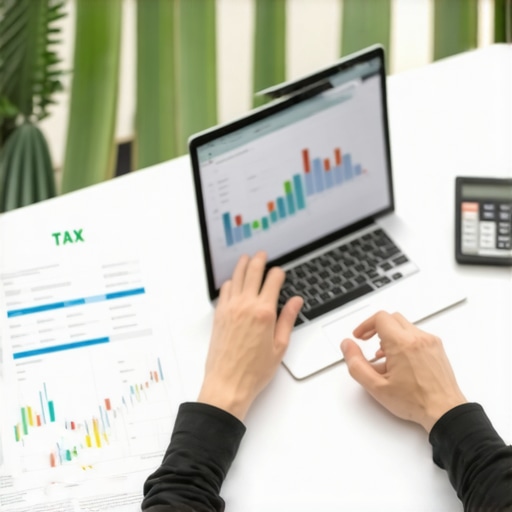
It was late at night when I realized I had overlooked a crucial detail in my tax prep, and it almost cost me dearly during an audit. Frustration and a cold sweat set in as I scrambled to piece together my scattered receipts and confusing income statements. That lightbulb moment made me realize—if I had known the right strategies back then, I could have avoided the headache altogether. Now, years later, I’ve honed my approach with proven tips that actually work for digital nomads and remote entrepreneurs navigating the complex 2026 tax landscape.
Why Digital Nomads Need to Rethink Their Tax Prep Game for 2026
As an avid traveler myself, I get it — the freedom of working from anywhere is irresistibly appealing. But with that freedom comes new responsibilities, especially when it comes to taxes. The year 2026 is shaping up to be a pivotal one, with shifting regulations that can catch even seasoned freelancers off guard. Did you know that the IRS has increased scrutiny on remote workers and international income disclosures? According to recent reports, non-compliance could lead to hefty penalties, audits, or even legal trouble. And trust me, I’ve learned the hard way that ignoring these updates can seriously hurt your bottom line.
In the past, many digital nomads believed they could skip or delay proper tax planning, thinking their circumstances were too straightforward or that IRS rules wouldn’t apply across borders. That was a costly mistake. My early missteps exposed me to unnecessary audits and overpaid taxes—lessons I’d prefer to share before you make the same errors. That’s why I’ve dedicated myself to understanding and implementing foolproof tax prep tactics tailored specifically for partial and full-time remote workers in 2026. And the good news? With a few strategic adjustments, you can protect your revenue streams and stay compliant without the stress.
Ready to discover the insider secrets that could save you thousands and keep the IRS at bay? Let’s dive into the key steps every digital nomad should take to prepare for 2026 audits effectively.
Set Up a Solid Record-Keeping System
Start by organizing your income and expense documents immediately. Use digital tools like cloud-based bookkeeping software to categorize transactions by income streams, jurisdictions, and expense types. I learned this firsthand when I kept receipts in a messy folder, causing delays during my first audit. Transitioning to automated bookkeeping decreased errors and saved me hours at tax time. For efficient setup, check out this guide which highlights common gaps to fix before your audit.
Implement Tax Optimization Strategies
Identify applicable deductions and credits early. Focus on expenses that directly relate to remote work—home office, travel costs, equipment, and software—that qualify for 2026 deductions. I once overlooked a green energy credit on my home office setup, leading to missed savings. Using tax planning tools and consulting with a CPA can highlight overlooked opportunities. Read this article to uncover deductions tailored for digital nomads in 2026.
Verify Compliance with Payroll and Nexus Laws
Ensure your payroll setup adheres to 2026 nexus rules across states and countries. For example, I found out I had liabilities in a state I thought was exempt, after reviewing my payroll system against this resource. Adjust your payroll processes regularly to account for new laws, avoiding costly penalties. Use automated payroll solutions that sync with jurisdiction-specific tax rates and sick leave laws, like those discussed in this article.
Conduct a Mid-Year Financial Checkup
A mid-year review helps identify gaps that could trigger IRS scrutiny in 2026. Reconcile your accounts, review outstanding deductions, and ensure all income is correctly reported. I did a mid-year audit myself, catching misclassified income that would have led to penalties. It’s worth investing time or hiring a CPA—see this resource for why an audit mindset pays off.
Leverage Automation Tools to Save Time
Manual data entry is a guaranteed way to introduce errors and waste time during busy tax season. Automate your bookkeeping and payroll feeds using AI-powered solutions, as recommended in this article. This integration not only minimizes mistakes but also ensures real-time data accuracy, vital for compliance and strategic planning. A mistake I made early on was failing to sync all my bank accounts, resulting in overlooked expenses. Automation eliminated this issue entirely.
Many entrepreneurs and remote workers assume that choosing a reputed CPA service or accounting software automatically ensures flawless compliance and maximum savings— but this is a misconception. The real nuance lies in understanding **how these services integrate with your unique financial situation** and the common pitfalls that can trip you up despite premium tools. For example, overlapping income sources or misclassified expenses can be silent killers of compliance, especially when working across multiple jurisdictions. While it’s tempting to rely solely on automation, neglecting the importance of proactive oversight can lead to costly mistakes. Studies, including a recent survey by the National Small Business Association, show that nearly 40% of small businesses face penalties due to overlooked details in tax filings—a stark reminder that technology complements, but doesn’t replace, expert insight.
One major myth I’ve encountered is the idea that all CPA services are created equal— but in my experience, specialization matters immensely. A generalist might miss niche deductions or regional tax laws affecting remote workers, leading to missed savings or audit triggers. That’s why partnering with a firm or service that understands the intricacies of remote and global taxation is crucial. Moreover, many overlook the importance of mid-year reviews. Instead of waiting until tax season, a semi-annual check-in can reveal gaps in bookkeeping, payroll, or compliance so they can be addressed proactively. This approach is emphasized by seasoned professionals who recommend regular audits— it’s part of a larger strategy to mitigate unexpected surprises during tax time.
Are you aware of common silent mistakes in your bookkeeping or tax filings that could cost you audit risk or money? For instance, missing out on location-specific deductions or failing to update payroll nexus laws as regulations evolve can be detrimental. Expert advice suggests continuous education and leveraging advanced tools like automated audit-ready tech solutions that synchronize with your compliance needs. Remember, the devil is in the details, and subtle errors— like incorrect expense classification or unreported foreign income— can have significant repercussions.
To truly safeguard your revenue streams and stay compliant, it’s not enough to depend on standard practices. Continuous learning, meticulous record-keeping, and strategic use of expert CPA services tailored to remote and international work scenarios are vital. As I’ve learned firsthand, even seasoned entrepreneurs can fall prey to overlooked nuances. Your best defense is a balanced combination of automation and expert review, particularly when navigating the complex 2026 regulations. Have you ever fallen into this trap? Let me know in the comments!Maintaining a reliable and efficient financial system is crucial as your remote business grows, especially with the evolving regulations in 2026. One tool I personally swear by is Xero, because it offers seamless bank feed integrations—allowing real-time transaction downloads that eliminate manual data entry errors. This automation not only saves hours but also provides up-to-date financial data, making compliance easier. For payroll management,
The Hardest Lesson I Learned About smartcpaservices,payroll,CPA services,bookkeeping,tax filing
One of the biggest surprises on my journey was realizing how minor overlooked details—like misplaced receipts or unreported foreign income—could snowball into costly audits. It became clear that proactive diligence, rather than reactive fixes, is essential in 2026’s complex tax environment.
3 Myths About smartcpaservices,payroll,CPA services,bookkeeping,tax filing That Held Me Back
I used to believe that automation alone would safeguard me from errors, but I found out that expert oversight and continuous education are irreplaceable. Believing that all CPA services are equally capable also limited my effectiveness—specialization truly matters.
What Experts Won’t Tell You About smartcpaservices,payroll,CPA services,bookkeeping,tax filing
Many assume that a few tools can handle the nuances of international and remote tax laws. The truth is, integrating these tools effectively and understanding jurisdiction-specific rules can protect you from silent compliance pitfalls and reduce audit risks significantly.
Curated Tools and Resources to Elevate Your Tax Strategy
My go-to tools include smart CPA automation tools, which drastically reduce manual errors and save time. I also trust this comprehensive guide to close bookkeeping gaps before they become issues. For in-depth tax planning, payroll leakage strategies help me stay compliant across multiple jurisdictions, and deduction insights ensure I don’t leave money on the table.
Fuel Your Growth: The Power of Continuous Improvement
Embracing automation and ongoing learning is key. Regularly scheduled review sessions, leveraging advanced tools, and partnering with specialists who understand remote work intricacies can make all the difference. Remember, the landscape is always shifting—staying adaptable is your best defense. What’s one mistake you’ve recently corrected that made a big difference? Share your experiences below and keep learning from each other’s journeys.