
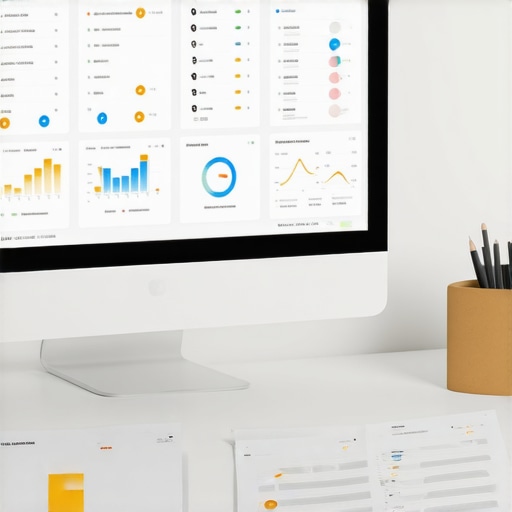
I remember the exact moment I realized I was losing money without even knowing it. Sitting in my cluttered home office, staring at my bookkeeping dashboard, I saw a tiny discrepancy—an unexplained spike in expenses that didn’t match my intuition. Turns out, I had been miscategorizing my SaaS subscriptions for months. That small mistake was costing me thousands in profit every quarter. It’s a lightbulb moment that many small business owners experience but often ignore.
That’s why today, I want to share the secrets of properly categorizing your software subscriptions so you can see your true profit clearly. This isn’t just about cleaner books; it’s about unlocking a deeper understanding of your business’s health. Missteps here can hide costs, distort financial reports, and lead to poor decision-making. But don’t worry—I’ve been there and figured out what works.
Why Proper Categorization Matters More Than You Think
When I first started, I thought categorizing expenditures was just a bookkeeping chore. Boy, was I wrong. Mislabeling SaaS platforms like payroll tools or tax software inflated my expenses and painted a bleak picture of my profitability. Over time, I learned just how critical accurate categorization is to understanding what actually eats into your margins. In fact, a survey by the Small Business Trends report highlights that nearly 70% of small businesses struggle to accurately track their expenses, leading to tax overpayments and cash flow issues.
If you’re like me, you might have been tempted to lump all subscriptions together for simplicity. But that approach doesn’t cut it anymore. Understanding where your money genuinely goes allows you to identify unnecessary costs and optimize your spending. Plus, accurate categories make tax filing a breeze—saving you time and headaches when April rolls around.
Is Your Categorization Strategy Costing You Money?
Early on, I made a crucial mistake: I categorized all my SaaS expenses under “Software,” thinking it was sufficient. Turns out, that broad label masked the real landscape of my spending. When I dove deeper into my accounting, I discovered that I was overspending on some tools that weren’t necessary or could be replaced with cheaper options. This oversight prevented me from seeing the full picture of my profitability and led to missed opportunities for cost-cutting.
To avoid this pitfall, I recommend creating specific categories for different software types—like payroll, bookkeeping, tax prep, and project management. It’s a simple step that can dramatically improve your financial clarity. Ready to learn how? Next, we’ll explore practical strategies to categorize your SaaS subscriptions effectively and ensure your profit calculations are spot-on.
Create Specific Expense Categories for Each Software Type
Start by listing all your SaaS services—payroll, accounting, marketing tools, project management, etc. Create distinct categories in your accounting system—’Payroll Software,’ ‘Bookkeeping Tools,’ ‘Email Marketing,’ and so on. I once used a spreadsheet to map each subscription, which initially was chaotic, but eventually revealed overlapping tools. This process allowed me to identify redundant subscriptions and eliminate unnecessary costs, boosting my profit margin.
Link Subscriptions to Business Functions for Clarity
Associate each subscription with the particular business function it supports. For example, link ‘QuickBooks’ directly to bookkeeping, and ‘Gusto’ to payroll. When I reclassified my expenses this way, I immediately spotted expenses that didn’t align with the business activities I was performing. This clarification helped me negotiate better deals and avoid paying for tools I rarely used, which directly increased my net income.
Integrate Your Categories with Automation Tools
Use accounting software that supports automated expense tagging. Many platforms allow you to set rules—for instance, all transactions from Stripe fees tagged as ‘Payment Processing.’ Setting this up saved me hours each month and prevented misclassification. Implementing automated rules is akin to having a digital assistant consistently categorizing expenses correctly, which reduces errors and saves time.
Regularly Review and Reconcile Your Subscriptions
Schedule monthly reviews of your categorized expenses. During one quarterly review, I discovered that some subscriptions were mistakenly categorized under miscellaneous expenses, skewing my financial reports. Correcting these errors improved the accuracy of my profit and loss statements, making my financial health clearer. Use bank feeds plus your accounting software’s reconciliation functions to catch misentries early; it’s much like performing a mini-audit to catch mistakes before they snowball.
Document and Standardize Your Categorization Process
Create a standard operating procedure for how subscriptions should be categorized. I documented each step—approving new subscriptions, assigning categories, and periodic reviews. When my team followed this process, it minimized inconsistencies and ensured everyone’s on the same page. A clear method is like a recipe—it guarantees consistent results and makes onboarding new team members smoother.
Leverage CPA and Bookkeeping Resources for Optimization
Consult with a CPA or experienced bookkeeper to verify your categories and catch any missed deductions. A good CPA can identify opportunities to reclassify certain subscriptions for tax benefits, such as CPA services that include reviewing your expense categories to maximize write-offs. This expert guidance ensures your categorization supports both accurate reporting and tax efficiency, avoiding costly mistakes down the line.
Many small business owners assume that hiring a CPA or payroll provider is a straightforward fix for their financial headaches, but there’s often a deeper nuance that’s overlooked. One common misconception is that all CPA services are interchangeable—that any accountant can handle your tax filings, bookkeeping, and payroll equally well. In reality, the specialization within these services can significantly impact compliance, accuracy, and savings. For example, a CPA focusing solely on tax strategies might miss critical payroll compliance issues, leading to costly penalties. This mistake is especially costly if you operate across multiple states, where nexus rules complicate payroll and tax obligations. Don’t assume a cookie-cutter approach works—dive into specific expertise. According to a study by the National Small Business Association, nearly 80% of small firms experience penalties due to misclassified payroll or tax errors, often because their provider lacked regional or functional specialization. To avoid this trap, it’s vital to understand the particular strengths of your service provider. For instance, a dedicated payroll strategist can streamline your processes, reduce errors, and keep you compliant with local regulations. Overlooking this can lead to ‘Oops’ moments—like missing payroll tax deadlines or misfiling a W-2, which can cost thousands in fines. Moreover, many assume that bookkeeping is just data entry, but proactive bookkeeping with proper categorization and regular reconciliation offers insights that can save your business from cash flow problems. Mismanagement here is more than an inconvenience; it can distort your profit margins and tax positions. },Maintaining a seamless bookkeeping process over the long term requires the right equipment, software, and practices. I personally swear by QuickBooks Online for its automation capabilities—I set up rules to automatically categorize transactions from my business bank feeds, reducing manual work and errors. For payroll management, Gusto has transformed my approach; its integration with tax filings ensures compliance and saves me from costly penalties. Since I handle multiple SaaS subscriptions, I use Zapier to connect and automate data flow between these tools, creating custom workflows that keep everything synchronized without constant manual oversight. As compliance complexity increases, I’ve also adopted LedgerDocs for digital document management, which simplifies storing and retrieving receipts and invoices, making audits less stressful and more efficient.
Throughout my journey as a small business owner, one lesson stands out as pivotal: the way you categorize your SaaS subscriptions can make or break your understanding of your business’s true profitability. Misclassifying expenses isn’t just a bookkeeping oversight—it’s a silent profit killer that can hide costs and distort your financial health. When I finally recognized the significance of detailed categorization, everything changed. My profit margins became clearer, and I gained actionable insights to optimize my spending and boost earnings.
Lessons From the Trenches: What I Wish I Knew About SaaS Tracking
- Overly broad categories mask expenses: Aggregating all subscriptions under a single label like ‘Software’ prevents identifying redundant or unnecessary tools, costing you money.
- Linking subscriptions to business functions brings clarity: Associating each SaaS tool with its role—like payroll or marketing—reveals overlaps and potential cost savings.
- Automation is your best friend: Setting up rules in your accounting software to auto-assign categories minimizes errors and saves time, allowing you to focus on growth strategies.
- Regular reviews prevent drift: Monthly reconciliations catch misclassifications early, ensuring your financial data reflects reality.
- Expert advice unlocks hidden deductions: Collaborating with a skilled CPA helps optimize expense classification for tax benefits and compliance.
My Go-To Resources for Smarter Subscription Management
- Maximize your tax filing efficiency: This guide offers advanced strategies to ensure your expense categories support maximum deductions, especially beneficial during tax season.
- Bookkeeping secrets: A comprehensive resource to streamline your records, making regular reviews more effective and less burdensome.
- Payroll strategies: Ensures your subscription linking with payroll tools is optimized for seamless integration and compliance.
- DIY bookkeeping pitfalls: Highlights common errors to avoid when managing your SaaS expense categories, saving you money and stress.
Together, We Shape the Future of Your Business
Remember, mastering the art of categorizing SaaS subscriptions isn’t just about cleaner books—it’s about empowering you with precise financial insights to propel your business forward. Small improvements today set the stage for long-term growth and stability. You have the tools and knowledge now—it’s time to take control and transform your financial management from a chore into a strategic advantage.
What’s one SaaS subscription you’ve been hesitant to reclassify, and how do you think it could better serve your business? Share your experience below, and let’s learn from each other’s journeys toward financial clarity.