

I vividly remember a frantic call from a client just days before tax deadline, frazzled because their 1099 forms had gone MIA. It was a lightbulb moment for me—thinking, “Why does this keep catching everyone off guard?” Honestly, missing 1099s isn’t just a paperwork headache; it’s a significant risk that can lead to penalties and audit triggers if left unaddressed. Over the years, I’ve learned that this problem isn’t peculiar—it’s widespread—and solutions are surprisingly straightforward once you know where to look.
What Makes Year-End 1099 Fixes So Critical?
Everyone gets busy, and in small business, the chaos of managing contractors, payments, and tax deadlines can be overwhelming. But missing or incorrect 1099s can cause more than just hassle; they can invite IRS scrutiny. The IRS reports that nearly 20% of 1099 forms contain errors, leading to costly audits and penalties—mistakes that could have been avoided with proper processes. Knowing how to tackle these issues early is essential to safeguard your business’s financial health and peace of mind.
Are Low Expectations Killing Your Tax Prep Game?
I once thought it was acceptable to file 1099s last minute, assuming the IRS wouldn’t mind. That mistake almost cost me a client’s audit defense because little errors snowballed into bigger compliance issues. Early oversight and complacency can be a business owner’s worst enemies. Trust me: proactive measures make all the difference. Want to learn the secrets I wish I knew sooner? Keep reading, because today, I’m sharing the step-by-step process to fix missing 1099s before they turn into disasters. To get started, check out bookkeeping secrets every small business owner should know for more foundational tips on staying organized and avoiding future pitfalls.
Begin With a Clear Inventory of Contractors and Payments
Start by compiling a comprehensive list of all independent contractors paid during the year. Use your accounting software to generate a payments report. If your records are disorganized, manually review bank statements and invoices to ensure no payments slipped through. I once faced a situation where a client’s manual review uncovered forgotten payments to a freelancer, preventing IRS penalties. This meticulous step prevents surprises later and ensures compliance.
Identify Missing or Incorrect 1099s
Next, cross-reference your contractor list with your existing 1099 forms to identify gaps or errors. Use a checklist to verify each contractor’s details, including name, address, and Taxpayer Identification Number (TIN). If discrepancies are found, prepare to correct them promptly. I remember a time when a mismatched TIN almost triggered an audit, but quick correction saved the client from penalties.
Gather Accurate Payment Data
Ensure all payments are accurately recorded. This involves reconciling your bank statements with your accounting entries. Think of this as aligning your bank feed with your ledger—a necessary step much like verifying the accuracy of your credit card statements before a budget review. If discrepancies exist, adjust your records before proceeding to file.
Generate Corrected 1099 Forms
Utilize reliable accounting or payroll software to generate 1099-NEC forms. Double-check each form’s details against your payment records. If your software allows, use the correction features to amend any mistakes before printing or e-filing. When I worked on a case with complex contractor payments, using software correction tools prevented future IRS notices. This step is crucial to prevent penalties and avoid IRS red flags.
File 1099s with the IRS and Contractors
File the corrected forms with the IRS, either electronically or via paper, depending on the volume. Send copies to contractors—preferably electronically for faster delivery and record-keeping. Remember, timely filing can save you from late penalties. I recommend setting up a calendar reminder in your accounting system to avoid last-minute scrambles, as I once did when catching a deadline too close.
Add Extra Layers of Security and Prevention
Implement ongoing procedures like maintaining a contractor information database, using dedicated contractor onboarding forms, and verifying TINs before payments. Automate reminders for annual updates to prevent recurrent issues. For example, I set up a recurring alert in my CRM to confirm contractor details annually, which drastically reduced errors.
By systematically reviewing your contractor payments, correcting mistakes proactively, and setting up preventive processes, you safeguard your business against IRS penalties. Remember, efficient bookkeeping and precise data management are your best tools to keep tax season stress-free.
 Many entrepreneurs believe that outsourcing bookkeeping or CPA services automatically guarantees flawless financial management, but this is a misconception. In reality, even professional services can fall prey to nuanced pitfalls that harm your business if not carefully navigated. One prevalent myth is the assumption that software alone will ensure accuracy; however, without expert oversight, common errors like misclassified expenses or overlooked tax deductions can slip through, costing you money and audits. For example, relying solely on automated payroll systems might miss compliance nuances across multiple states, leading to costly penalties—so always combine automation with expert review.
A hidden trap many fall into involves neglecting the importance of detailed contractor agreements. Clear, compliant agreements are often overlooked but are crucial for avoiding red flags that can trigger IRS audits, especially when misclassification occurs. To deepen your understanding, explore why contractor agreements matter.
Ever wondered about the advanced nuances? Consider how improper handling of multi-state payroll can inflate tax liabilities unintentionally. Without strategic planning, you might be paying more than necessary, especially if you’re unaware of state-specific rules. For insights, see top payroll management tips.
Let’s be honest: many business owners think their accountant or CPA will catch every mistake. But studies show that even experienced accountants miss an average of 3.5 significant tax errors annually, often related to overlooked deductions or misreported income segments (source: Journal of Accountancy). This underscores why active engagement and financial literacy are vital, even when using professional services.
Furthermore, advanced entrepreneurs recognize the importance of accurate and timely tax filings not just to avoid penalties but to optimize cash flow and growth strategies. Delaying or mishandling filings can hinder access to tax savings like R&D credits or depreciation benefits, which can significantly boost your bottom line. For comprehensive strategies, review maximize your tax filing efficiency.
Are you aware of the subtle errors that could jeopardize your financial health? Proper oversight, awareness of complex rules, and strategic planning are the keys to truly leveraging professional CPA services and bookkeeping. Have you ever fallen into this trap? Let me know in the comments.
Tools I Recommend for Long-Term Financial Management
Maintaining an efficient and reliable bookkeeping or CPA system isn’t a one-and-done task; it requires strategic tools that evolve with your business. Personally, I rely heavily on cloud-based accounting platforms like QuickBooks Online and Xero because they automate much of the data entry, reconciliation, and reporting processes. These tools sync seamlessly with bank feeds, reducing manual errors and saving countless hours during month-end closes. Additionally, integrating these with tools like Receipt Bank or Hubdoc helps automate receipt and invoice management, ensuring no expense slips through the cracks. How do I maintain my financial systems over time? The key is consistent review and incremental upgrades. I schedule quarterly audits of my data integrations and workflows, using checklists from resources like bookkeeping secrets every small business owner should know to identify bottlenecks or outdated practices.
Automate Routine Tasks to Reduce Errors
Automation tools like Zapier or Integromat enable me to connect my accounting software with CRM, payroll, and tax filing tools, creating a smooth data flow that minimizes manual intervention. For example, I’ve set up workflows that automatically transfer new contractor information into my payroll system, reducing data mismatch risks and saving time. This approach ensures compliance and accuracy without constant oversight. As tax laws evolve and the complexity of financial data increases, automation helps keep my systems scalable and error-resistant.
Invest in Secure Backup and Data Privacy
Long-term success depends on protecting your data from cyber threats and accidental loss. I use reputable backup services like Backblaze coupled with regular exports of critical financial reports. This dual approach ensures quick recovery if something goes awry. Also, reviewing privacy policies, like our privacy policies, helps me stay compliant with evolving data laws. As future trends suggest, AI-driven analytics will become more prevalent, making it imperative to preserve clean, organized data streams now.
How can I scale my systems without increasing errors?
Scaling requires thoughtful process design. Automating routine reconciliations and leveraging expert-reviewed workflows, combined with consistent software updates, maintains system integrity. I recommend testing new automation features incrementally—starting with a single process and expanding as you validate its reliability. Keep an eye on emerging tools like AI-powered bookkeeping assistants, which are predicted to revolutionize the industry in the next few years—see how to verify remote employee tax residency for insights into future trends.
By carefully selecting scalable tools, automating repetitive tasks, and prioritizing security, you can ensure your bookkeeping system remains robust and accurate over years. Don’t forget to regularly review and adapt your tools and methods, as continuous improvement is the cornerstone of sustainable financial health. For actionable strategies, explore maximizing your tax filing efficiency and keep pace with evolving best practices.
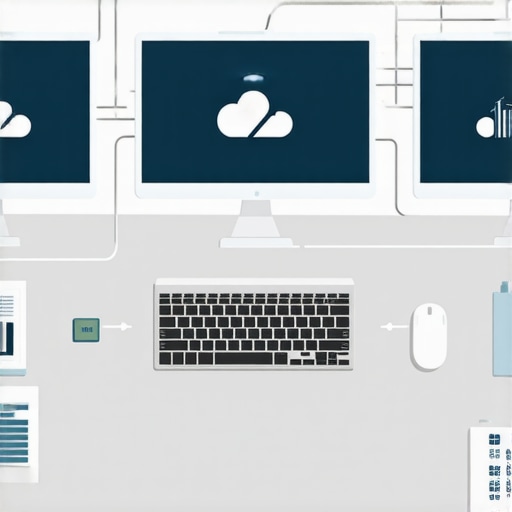
Image idea: A professional workspace featuring multiple interconnected devices, software dashboards, and cloud storage icons symbolizing integrated financial systems—title: “Streamlined Financial Workflows”; alt: “A desk with monitors displaying accounting dashboards, connected via cloud icons.”
What I Wish I Knew When I Started Fixing 1099 Nightmares
- Even experienced entrepreneurs underestimate the power of early corrections. Waiting until the last minute often leads to costly mistakes. My breakthrough came when I realized proactive reviews save time and stress.
- Overreliance on automation can be tempting but dangerous. Trusting your software without double-checking details like TINs and contractor info almost tripped me into an audit. Combining tech with oversight is essential.
- Clarifying contractor agreements isn’t just paperwork—it’s a safeguard against IRS red flags. Clear contracts help prevent misclassification issues that can be expensive in the long run.
- Staying organized year-round offsets scrambling during tax season. Maintaining a contractor database and scheduling regular audits reduced my errors and boosted confidence in my filings.
- Understanding multi-state payroll nuances is a game-changer. Ignoring state-specific rules can inflate tax liabilities unknowingly, but smart planning keeps everything compliant and cost-effective.
My Go-To Arsenal for Error-Free Financial Management
- SmartCPAs bookkeeping secrets — Transform your approach to accuracy and organization with this foundational resource.
- Expert tax filing tips — Maximize efficiency and reduce errors with insights from industry leaders.
- Payroll strategies — Streamline your processes to ensure compliance and minimize mistakes.
- Contractor compliance insights — Understand the nuances to prevent misclassification and IRS headaches.
Take the Leap Toward Smarter Bookkeeping Today
Now is the perfect moment to elevate your approach to year-end 1099s. Whether you’re refining your processes or embracing new tools, taking action will transform stress into confidence. Remember, mastering small details not only keeps you compliant but also frees you to focus on growing your business. Your future success begins with a single step—so why wait? Share your experiences or questions below, and let’s grow smarter together!
,