

I’ll never forget the morning I opened a certified letter from the state of Ohio. My heart did a slow, painful somersault. I had one—just one—remote developer living in Columbus while I ran my shop out of Florida. I thought I was being a modern, flexible boss. Instead, I had accidentally walked into a regulatory buzzsaw. I hadn’t registered for a withholding account, I hadn’t set up unemployment insurance in their state, and the penalties were already stacking up like a game of Tetris gone wrong. It was a mess.
The One Remote Hire That Nearly Ruined My Sanity
If you’re feeling overwhelmed by the thought of tracking taxes across state lines, I want you to know: I’ve been there. I made the classic rookie mistake of thinking my payroll software would just ‘figure it out.’ It didn’t. Most people don’t realize that as soon as an employee boots up their laptop in a new state, you’ve likely created ‘nexus.’ That’s a fancy way of saying the state now owns a piece of your administrative life. Managing this isn’t just a clerical task; it’s about protecting your business from the kind of audits that keep you up at 3:00 AM. If you’ve ever wondered how to handle state nexus when you hire one remote developer, you know the panic is real. But here is the secret: it is entirely manageable if you stop treating it like a surprise and start treating it like a process.
Is multi-state payroll actually worth the headache for a small team?
You might be asking yourself if hiring that person in Texas or New York is worth the literal price of admission. It’s a fair question. The administrative burden is massive. According to the Tax Foundation, state tax codes are becoming increasingly fragmented, making compliance a moving target. But here’s the promise: I’m going to show you how to streamline this. We’ll talk about why you might need a checklist for switching your payroll provider without losing data if your current system isn’t cutting it. We’ll also look at how to stop payroll taxes from draining your monthly cash flow while you’re trying to scale. Have you ever received one of those dreaded ‘Notice of Underpayment’ letters from a state you don’t even live in? I’d love to hear how you handled it—or if you’re staring at one right now, wondering where to start. The reality is that the reason your payroll tax liability is higher than expected often boils down to these hidden state-level requirements. Let’s dig into the first steps of getting your house in order before the next tax deadline hits.
Stop Treating State Lines Like Imaginary Boundaries
The moment your developer opens their laptop in a new state, you are legally doing business there. It sounds dramatic, but the tax authorities see it as a physical presence. You have to map out exactly where your team is sitting. I remember a time I thought a staff member was working from their home in Pennsylvania, but they had actually moved to a ‘workcation’ in Colorado for three months. I only found out when they asked why their state tax withholding looked different. This is exactly why you need to know how to survive a surprise residency audit for remote staff before it happens. If you don’t track locations, your ledger becomes a work of fiction.
Register for a Withholding Account Before the First Paycheck
Don’t wait for the quarterly deadline to realize you don’t have a state account number. Most states require you to register for a withholding ID and an Unemployment Insurance (UI) account. This process can take anywhere from five minutes to six weeks depending on the state’s bureaucracy. When I first expanded into Georgia, I assumed the registration was instant. It wasn’t. I ended up having to hold the tax funds in a separate account, which made my bookkeeping a nightmare. If you want to stay sane, look into the move that eliminates late fees on payroll taxes: registering the second an offer letter is signed. 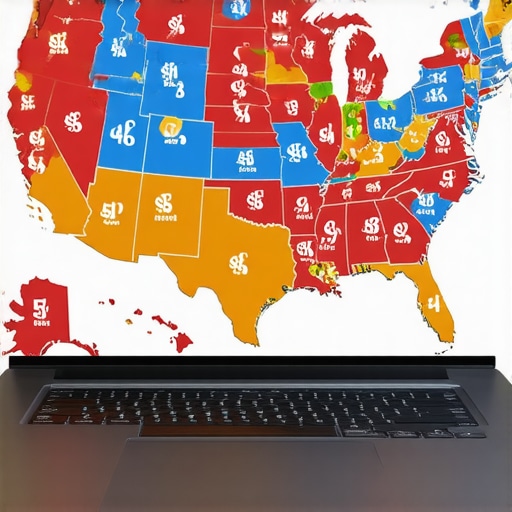
Don’t Forget the Local Tax Trap
States like Ohio, Pennsylvania, and Kentucky have local income taxes that vary by city or even school district. This is the ‘final boss’ of payroll compliance. If you miss these, the penalties often exceed the actual tax owed. I once spent a whole weekend manually reconciling a $42 discrepancy because a local municipality sent a notice that didn’t match my software’s output. To avoid this, you must implement payroll strategies to streamline business operations this year that include geo-coding for employee addresses. It is the difference between a smooth month-end and a frantic search through government websites.
Verify Your Data Every Single Month
Automation is a gift, but it isn’t a god. You still need to verify that the numbers leaving your bank match the liabilities recorded in your ledger. If you aren’t sure how to check your own work, you can learn how to audit your own books in 30 minutes or less. This monthly check-in ensures that you didn’t accidentally categorize a state tax payment as a general expense, which is a one-way ticket to a messy year-end. By keeping your records clean, you will discover the secret to passing a payroll audit with zero fines is simply having a clear, reconcilable paper trail that proves you paid the right people at the right time.Most founders think that buying a premium payroll subscription means they can finally stop worrying about compliance. It’s a dangerous lie. In fact, why automated expense categorizing is failing your books is one of the most common reasons small businesses get flagged during an audit. Software only processes the data you give it; it doesn’t know when your lead developer moves to a cabin in Vermont for the summer. If you haven’t updated the work location, the software will happily continue withholding Florida taxes while Vermont builds a case against you. This is where understanding the real difference between a bookkeeper and a strategic partner becomes vital. You need a human who understands the strategy, not just a robot that clicks buttons and hopes for the best.
Stop Thinking Automation is a Substitute for Oversight
The industry wants you to believe that ‘set it and forget it’ works for taxes. It doesn’t. In my years of managing complex ledgers, I’ve seen that relying solely on automation can lead to massive gaps in your reporting. A computer doesn’t know that your new laptop purchase was actually for a spouse’s side business, nor does it know if a reimbursement is actually a taxable benefit. You have to verify the inputs or the machine will just generate a more polished version of your errors. This is why you should maximize your tax filing efficiency in 2025 by combining your tech stack with professional human review.
The Invisible Trap of Misclassifying Your Team
Here is the ‘oops’ factor that keeps me up at night: thinking that simply calling someone a contractor protects you from payroll taxes. If you control when they work, how they work, and what tools they use, the IRS doesn’t care what your contract says. You need to understand the liability shift when your 1099 workers act like w-2s before the Department of Labor knocks on your door. One audit can reclassify years of ‘contractors’ into ’employees,’ leaving you liable for back taxes, unpaid overtime, and insurance premiums you never budgeted for. 
Does Your Staff’s Summer Trip Create a Tax Nightmare for You?
It sounds like an overreach, right? But the reality is that the hidden tax cost of your remote teams workcations can trigger a physical presence for your business in a state you never intended to enter. According to a survey by the American Institute of CPAs (AICPA), nearly 47% of remote employees fail to disclose when they are working from a state other than their primary residence. This ‘ghost nexus’ is a ticking time bomb for your corporate tax filing. To stay ahead of this, you should focus on payroll strategies to streamline business operations this year that include strict geographic reporting for every team member. Have you ever fallen into this trap? Let me know in the comments—I’d love to hear how you handled the surprise bill.Moving from the ‘panic phase’ of state nexus to a well-oiled machine requires more than just a software subscription; it requires a shift in how you view your business data. I’ve found that the most successful founders aren’t those who do everything themselves, but those who build a system where the data flows into one central source of truth. If you’re still copy-pasting numbers from your payroll app into a spreadsheet, you’re essentially inviting human error to dinner. I personally transitioned to an integrated model where my payroll, benefits, and accounting software are in a constant, three-way conversation. This is one of the bookkeeping secrets every small business owner should know: the less you touch the data, the cleaner it stays.
How do I maintain payroll compliance as my team scales?
Maintenance isn’t a once-a-year event; it’s a monthly rhythm. You should be looking at your nexus footprint every thirty days. I recommend setting up a ‘location audit’ in your HRIS where employees must verify their primary work address every quarter. This simple step prevents the ‘surprise Vermont’ situation I mentioned earlier. To keep the gears turning, you need to implement top payroll management tips for growing businesses in 2025, which include real-time tax jurisdiction tracking. According to the Journal of Accountancy, firms that leverage automated data validation for multi-state filings reduce their risk of notice-based penalties by over 60%. This isn’t just about avoiding fines; it’s about having the bandwidth to actually grow your company.
Build a Ledger That Can Stand Up to a Federal Judge
If you ever face an audit, the auditor isn’t just looking for the right numbers; they are looking for a logical, consistent process. You need to maintain the paperwork you need to keep for five years or more in a digital vault that is categorized by state and tax year. I’ve seen businesses lose thousands not because they didn’t pay the tax, but because they couldn’t prove they paid it. This is why tax filing simplified how a cpa service can save you money isn’t just a marketing slogan—it’s a risk mitigation strategy. When you have a professional review your nexus triggers, you’re buying insurance against future disasters. 
The Future is Geo-Aware and Automated
Looking ahead, I predict we will see ‘smart’ payroll systems that use IP-based geo-fencing to automatically trigger state registrations the moment a threshold is met. We aren’t quite there yet, but the trend is moving toward total transparency. In the meantime, you have to be the gatekeeper. Make sure you know the quick way to sync stripe data with your ledger if you’re also dealing with multi-state sales tax, as these two worlds often collide during an audit. My advanced tip for you today? Go into your payroll settings right now and enable ‘automated new hire reporting’ for every state. It’s a tiny toggle that saves you from a $50-per-employee fine in states like Ohio or Illinois. If you really want to stay ahead, take an hour this week to maximize your tax filing efficiency in 2025 by mapping out your current nexus states against your growth plans for next year.
The Expensive Lessons I Learned While Scaling My Remote Team
Reflecting on my journey through the maze of state-level regulations, I’ve realized that the hidden costs of remote hiring are rarely about the salary. My biggest lightbulb moment was discovering that nexus isn’t just a tax term; it’s a permanent relationship with a state government that requires constant attention. I also learned that local taxes—those tiny city-level percentages—are far more likely to trigger a painful audit than federal filings. Most importantly, I found that you can’t delegate the responsibility of knowing where your people are. Even the best software needs a human to verify the data before you hit submit on your payroll.
My Go-To Stack for Multi-State Compliance
If you want to avoid the administrative treadmill, you need more than just a calculator. I rely on a combination of tools and expertise to keep things moving. First, always keep a pulse on the Tax Foundation’s annual updates to see which states are changing their brackets. For daily operations, I recommend integrating your systems so you don’t have to manually sync data. If you’re expanding beyond US borders, you’ll definitely want to check out the checklist for hiring an international contractor legally to avoid misclassification risks. For local US growth, following top payroll management tips for growing businesses in 2025 ensures you aren’t just reacting to problems, but preventing them. I also suggest keeping bookkeeping at the forefront of your strategy to ensure every penny is accounted for correctly.
#IMAGE_PLACEHOLDER_E#
Your Business Deserves a Clean Slate
Compliance doesn’t have to be a weight that holds your growth back. Once you establish a rhythm of monthly verification and professional oversight, the fear of the certified letter starts to fade. By investing in tax filing simplified how a cpa service can save you money, you free up your mental energy to focus on what you actually love: building your company. Remember, the goal isn’t just to be legal; it’s to be efficient and organized. You’ve got this. Start by unlocking these bookkeeping secrets every small business owner should know to strengthen your financial foundation today. Professional CPA services are the final piece of the puzzle that turns a compliance headache into a strategic advantage for your smartcpaservices setup.
Have you ever discovered an employee was working from a different state without telling you? Let me know in the comments below—I’d love to hear how you handled the surprise!