

You know that sinking feeling when you pull up your cash flow forecast, only to find it wildly inaccurate? I’ve been there myself—early on, I’d check my projections and think, “Just a little tweak here,” only to find the numbers missed reality by at least 20%. It’s like trying to hit a bullseye while blindfolded. That persistent gap isn’t just frustrating; it can derail your decisions and even threaten your business.
Stumbling Over the Same Forecasting Mistake
Many entrepreneurs and finance pros unknowingly fall into the trap of relying on manual data or outdated assumptions, which leads to forecasts that are just plain off. I used to assume that linking my bank feeds automatically would give me the precision I needed. But manual bank feed reconciliation is often the culprit behind consistent forecasting errors. It’s a common misstep—and one I made early in my journey—until I discovered how those small, overlooked discrepancies snowball into big inaccuracies, skewing my entire financial picture.
Here’s the kicker: studies show that nearly 60% of small businesses struggle with cash flow management, often because of inaccurate forecasts (source: Small Business Administration). That’s a staggering number, and it underscores why fixing this issue is so critical.
The good news? There are straightforward fixes—and it starts with understanding exactly why those 20% gaps happen and how to close them. Over the next sections, I’ll share practical strategies that helped me get my forecasts within 5% of reality—and how you can do the same.
Are you tired of chasing inaccurate cash flow predictions that throw off your planning? If so, you’re not alone—and I’m here to help you change the game.
Is Your Cash Flow Forecast Really Worth the Hype?
One of my biggest early mistakes was trusting overly optimistic assumptions without validating my data sources. I believed that simply setting up automated tools would do all the work, but I didn’t account for the nuances of transaction timing differences, manual errors, or system misconfigurations. These little issues added up, creating a false sense of security.
Trust me, getting accurate forecasts is doable—but it requires vigilance and a keen eye for detail. Want to learn how I identified the root causes of those discrepancies? Check out how manual bank feeds may be undercutting your focus and accuracy [here](https://smartcpaservices.com/why-manual-bank-feeds-are-killing-your-focus-and-your-accuracy-2).
Now that I’ve shared my own wake-up call, let’s dive into the strategies that will help you build more reliable and actionable forecasts. Ready to ditch the guesswork and start making smarter financial decisions?
Automate Bank Reconciliation to Remove Guesswork
During a frantic quarter, I manually matched more than 300 transactions from my bank feeds. It was chaotic, time-consuming, and error-prone. I discovered that relying on automatic bank feeds often results in duplicate transactions or missed entries, which distort forecasts. To fix this, I switched to automated reconciliation tools that detect and flag duplicate transactions, especially when syncing with Shopify sales [here](https://smartcpaservices.com/how-to-reconcile-your-shopify-sales-without-losing-your-mind). This significantly improved data accuracy and freed up hours each week.
Identify and Correct Data Discrepancies Promptly
In one case, I noticed recurrent mismatches between my payroll records and bank statements. The culprit: manual data entry errors and misclassified expenses. I set a weekly review process using reconciliation software that highlights anomalies immediately, enabling rapid correction. This habit prevented small mistakes from snowballing into large forecast errors, reinforcing the importance of vigilance in data management.
Implement Real-Time Data Updates for Dynamic Planning
Waiting for monthly reports left me blind to cash flow dips. I adopted real-time reporting using cloud-based accounting, which allowed me to see the current status at any moment. This proactive approach empowered me to adjust expenses or collections in real time, rather than reacting after the problem worsened. Incorporating real-time data is especially critical when managing remote staff or multi-state operations [see this](https://smartcpaservices.com/why-your-remote-staffing-plan-is-a-tax-audit-magnet).
Regularly Reconcile E-Commerce Transactions
Shopify sales integrations often create discrepancies that linger unnoticed—until they cause forecasting nightmares. I learned to run quick reconciliations weekly, ensuring that all online sales matched my ledger. Using dedicated tools for Shopify reconciliation [here](https://smartcpaservices.com/how-to-reconcile-your-shopify-sales-without-losing-your-mind) helped me catch errors like double charges or missed refunds early, maintaining the integrity of my cash flow view.
Audit and Clean Up Expense Stack Frequently
Expenses piled up with outdated subscriptions and miscoded receipts. I started a quarterly audit, scrutinizing all expenses to eliminate redundant or misclassified items. This cleaning not only improved forecast accuracy but also uncovered cost-saving opportunities. Mistakes in expense classifications or overlooked costs [see here](https://smartcpaservices.com/5-errors-in-your-automated-expense-stack-that-drain-profit) can skew cash flow predictions and hide true profitability.
Preserve Data Integrity in Payroll Systems
Payroll errors are a silent killer of forecast reliability. I once wrongly categorized a contractor as an employee, causing federal and state reporting issues. After that, I adopted a thorough review process before each payroll run, including cross-checking against legal requirements [consult this](https://smartcpaservices.com/how-to-fix-payroll-errors-before-the-next-filing-deadline-2) to prevent mistakes before they reach the tax agencies. Accurate payroll data is the backbone of trustworthy forecasts.
Many entrepreneurs believe that hiring a CPA and relying on standard bookkeeping practices will fully shield them from audits and tax issues. But in my experience, this mindset often leads to bigger problems down the line. The misconception that outsourcing tax filing or bookkeeping ensures foolproof compliance can be dangerous; the truth is, these services are only as effective as the vigilance and expertise behind them. Overconfidence in automated systems or generic advice can create blind spots, especially when dealing with complex rules around multi-state taxes, remote staffing, or contractor classifications.
Are Your Accounting Practices Truly Future-Proof? Think Again
People often assume that once their books are clean and taxes filed on time, their worries end. However, this ignores the nuances that can trigger audits—even with professionally prepared books. For instance, many miss the subtle signs that contractor payments or remote employee expenses are inadvertently raising red flags with tax authorities. Studies show that small errors, like misclassifying workers or failing to properly handle multi-state nexus, increase audit risk considerably [see this](https://smartcpaservices.com/3-signs-your-contractor-payments-are-secretly-triggering-audits-3). It’s not enough to meet basic compliance; you need to actively monitor and optimize these elements.
The common trap here is complacency. Relying solely on your CPA or automated tools without understanding the underlying compliance nuances can be risky. This is especially true as regulations evolve rapidly and IRS scrutiny tightens on digital and remote operations. For example, a misstep in payroll setup not only triggers penalties but can also cause ripple effects with your state nexus audits. Learn how to spot and fix these issues early by reviewing your payroll arrangement regularly [here](https://smartcpaservices.com/why-your-current-payroll-setup-might-fail-a-state-nexus-test-2).
Moreover, many overlook the importance of tailored strategies over one-size-fits-all solutions. Automated bookkeeping might be convenient, but it often misses context-specific concerns like freelancer misclassification or multi-jurisdictional tax obligations. To really stay ahead, you must combine professional oversight with continuous education on evolving compliance standards.
Have you ever fallen into this trap? Let me know in the comments. Staying aware of these hidden pitfalls can make all the difference in protecting your business and your peace of mind.
Stick to the Tech That Keeps You Ahead
If you want your CPA, tax filing, bookkeeping, smart CPA services, and payroll systems to stay reliable over time, investing in the right tools is non-negotiable. My personal favorite for seamless integration is QuickBooks Online—I’ve found its automated bank feeds invaluable for maintaining real-time data accuracy, especially when combined with reconciliation tools that prevent duplication, like those discussed in this article. However, manual reconciliation remains critical for catching the small discrepancies that automation can miss, especially in multi-platform systems.
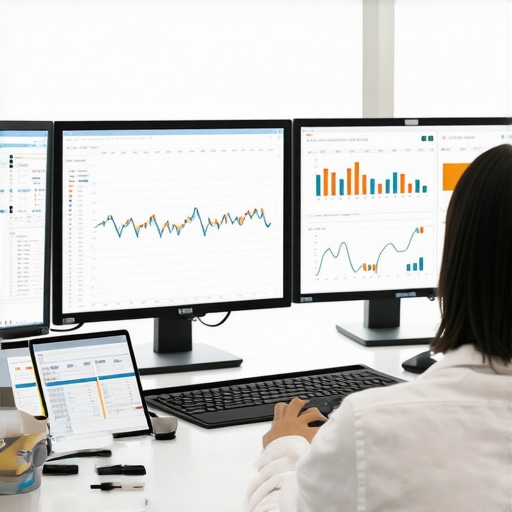
Automation is a double-edged sword; while it saves time, it can also lead to errors if not monitored carefully. Combining automation with periodic manual audits helps me catch issues before they snowball. For payroll, I rely on Gusto because of its transparent fee structure and easy compliance features, helping prevent costly mistakes and ensuring long-term accuracy.
Discover the Power of Specialized Software
One trend I’ve observed is the rise of niche software tailored for specific needs—like Expensify for expense tracking or Fyle for receivables management. These tools integrate smoothly with core accounting platforms, making long-term maintenance easier. When selecting such software, I always look for native integrations and support for multi-currency or multi-jurisdictional compliance, which are vital for scaling businesses.
Looking ahead, AI and machine learning are poised to revolutionize this landscape, offering predictive analytics that can identify cash flow issues before they manifest—imagine catching a potential payroll dispute or tax anomaly early on, saving you significant headaches down the line. For now, incorporating these features into your routine can be game-changing. For example, I recommend trying out the predictive cash flow analysis feature in QuickBooks, which can help forecast future shortfalls based on current data patterns—see this guide for tips.
How do I keep my systems manageable over time?
Regular review and updates are essential to keep everything running smoothly. Schedule monthly check-ins using dashboards available in your software to review key metrics—like transaction discrepancies, delayed reconciliations, and payroll errors. Establish a checklist to ensure each tool operates optimally, and never underestimate the value of ongoing staff training on these platforms. Staying proactive rather than reactive is the secret to disciplined maintenance.
Lastly, don’t forget to document your processes. A well-maintained operations manual or internal handbook can save time during staff transitions or audits. By standardizing procedures, you create a resilient system that can endure growth and shifting regulations.
If you want to streamline your maintenance routine, start by implementing weekly reconciliations for Shopify sales using the method described here. This small move can yield immediate accuracy improvements. Ready to take control of your systems and set your business up for long-term success? Now’s the time to get strategic—your future self will thank you!
The Insider Wisdom You Won’t Find in Tutorials
- One lesson I wish I learned sooner is how automation can lull you into a false sense of security. Manual reviews are essential because software, no matter how advanced, can overlook discrepancies, especially with multi-platform data. Recognizing this shifted my focus from sole reliance on tech to incorporating regular manual audits, which drastically improved forecast accuracy.
- Another insight came when I realized that small, seemingly insignificant data mismatches—like a delayed refund or misclassified expense—can snowball into major forecast errors. Developing a habit of weekly discrepancy checks helped me catch and correct these issues early, saving time and avoiding costly surprises.
- Lastly, understanding the nuances of multi-state payroll and contractor classifications was a game-changer. I uncovered hidden compliance risks that could trigger audits, emphasizing the importance of continuous education and proactive system adjustments rather than reactive fixes. These lessons underline that mastering details, not just tools, is key to robust financial health.
My Handpicked Resources for Smarter Finance
- QuickBooks Online – Its automated bank feeds and reconciliation features provide a solid foundation, but I emphasize pairing it with regular manual checks. I’ve found it indispensable for real-time financial insights.
- Gusto – For payroll, Gusto offers transparent reporting and compliance tools that simplify complex multi-state filings. Trustworthy and user-friendly, it helps prevent costly mistakes before they happen.
- Expensify – Expense management becomes effortless with its integration capabilities. It ensures expense accuracy and facilitates quick audits, saving me from unexpected surprises in cash flow forecasts.
- Smart CPAs Blog – Their in-depth articles, like those on minimizing audit risks associated with contractor payments, continually broaden my understanding and help me stay ahead of compliance challenges.
Your Next Step Starts Now
Embracing these lessons and resources can elevate your financial strategy from reactive to proactively resilient. The key is consistency—regular audits, continuous learning, and leveraging the right tools to keep your cash flow clear and accurate. Remember, your financial health depends not just on technology but on your commitment to meticulousness and ongoing improvement. So, what’s one small change you’ll make today to improve your forecasting accuracy and overall financial peace of mind? Share below—your experience might inspire someone else’s breakthrough.