

Ever felt that sinking feeling during tax season when your numbers just don’t add up? That moment when you realize your clean, sleek e-commerce website is quietly turning into a tax nightmare? Trust me, I’ve been there. I once thought a simple plugin integration would streamline my sales tracking—turns out, it doubled my tax liability instead. Not fun. That lightbulb moment led me down a rabbit hole of troubleshooting, and I discovered a crucial truth: some plugins, while great for customer experience, can inadvertently wreak havoc on your taxes.
The Hidden Dangers Lurking in Your E-commerce Tools
If you’re like most online entrepreneurs, you rely heavily on various plugins to handle everything—from shopping carts to sales tracking. But did you know that certain plugins might be causing your taxable income to inflate without you even realizing? It’s true. When these tools misreport or double-count transactions, your tax calculations go awry, leading to an unexpected and often large increase in what you owe. Funny thing is, I used to think the IRS was exaggerating when they warned about accurate reporting. Turns out, I was the one making a costly mistake, early on, by neglecting plugin compatibility and data consistency.
Are plugins actually the villain behind my rising tax bills?
Plenty of entrepreneurs brush off this issue, assuming it’s just a technical hiccup. But in reality, overlooked plugin conflicts can cause serious tax miscalculations. I’ve seen cases where duplicated sales entries triggered audits or inflated reported income. This happened to me before I realized how crucial it is to audit plugin integration regularly. To safeguard your business, it’s essential to understand which tools are trustworthy and how they report data. If you’re wondering whether your setup is silently adding to your tax burden, you’re not alone. Many owners overlook this simple yet critical aspect, risking severe penalties and surprises come tax time.
What we’re about to tackle
In this post, I’ll share the practical steps I took to identify and resolve plugin-related issues that were doubling my tax liability. From auditing your sales data to choosing reliable software, I’ll guide you through the process so you can avoid the same pitfalls. You don’t have to let your e-commerce tools turn into silent tax enemies. Want to learn how to fix this before it bites you too? Let’s dive deeper into the secrets of reliable bookkeeping and reporting, starting now.
Audit Your Sales Data Regularly
Start by exporting your transaction reports from your e-commerce platform and compare them against your accounting software records. I once downloaded sales data after a holiday promotion and noticed duplicate entries, which inflated my taxable income. Cross-referencing helped me spot these errors early and prevent unnecessary tax overpayment. To streamline this process, set a recurring schedule—monthly or quarterly—to audit your data meticulously.
Identify and Remove Conflict-Prone Plugins
Next, review your plugins, especially those handling sales tracking, inventory, or taxes. Disable any that overlap or haven’t been updated recently. During my last audit, I found a plugin adding duplicate sales entries because it conflicted with my primary tracking tool. Removing or updating such plugins cleared the confusion, ensuring my sales figures reflected reality. Regularly checking plugin compatibility reduces the risk of silent misreporting.
Implement Data Validation Protocols
Set up validation rules within your accounting system to flag anomalies like duplicate transactions or unusually high totals. For example, I configured alerts for sales entries exceeding a typical order value. When a suspicious entry appeared, I traced it back to a plugin error that double-uploaded a batch of sales. Data validation acts as a safety net, catching errors before they impact your tax filings.
Use Reliable Accounting Software
Select software known for accurate sales reporting and integration stability. I switched to a cloud-based solution after experiencing repeated issues with manual exports. This increased accuracy allowed me to trust my tax reports, significantly reducing errors. To choose the right tools, consult trusted resources like bookkeeping tips that emphasize reliable software integration.
Consult a CPA or Tax Professional
Finally, involve a professional before filing taxes. A CPA can review your data, identify discrepancies, and ensure your reporting aligns with IRS regulations. I learned this the hard way when an overlooked plugin error nearly triggered an audit. Engaging an expert not only corrects mistakes but also teaches you best practices, preventing future pitfalls. For tailored advice, visit our contact page.
Automate and Document Your Processes
Implement automation tools that sync your sales data directly from your platform to your accounting software. During one busy quarter, automation saved me hours and minimized manual errors, maintaining data integrity. Keep detailed records of your reconciliation processes—this documentation becomes invaluable if discrepancies arise during audits. The goal is to create a seamless, error-resistant workflow, protecting you from overpaid taxes caused by plugin errors.
Many entrepreneurs assume that hiring a CPA guarantees flawless tax filing and bookkeeping, but in my experience, this belief overlooks crucial nuances that can lead to costly mistakes. A frequent misconception is that all CPA services are one-size-fits-all; however, different businesses require tailored strategies, especially when it comes to managing complex tax codes or payroll systems. For example, some business owners rely blindly on generic advice, unaware that specific industry regulations could significantly impact their tax obligations. This oversight often results in missed deductions or compliance penalties. To truly benefit from professional CPA services, understanding their scope and limitations is vital. There’s also a trap many fall into—believing that automation replaces the need for expert oversight. While tools can streamline processes, they can’t replace the nuanced judgment a seasoned CPA provides, particularly with intricate issues like cross-state payroll or multi-currency transactions. In fact, over-reliance on software without human review increases the risk of errors in your financial statements, which can trigger IRS audits or suboptimal tax strategies.
Why do many businesses underestimate the importance of proactive tax planning?
Studies, such as those from the American Institute of CPAs, highlight that proactive planning can save businesses up to 20% on their tax bills. This is not just about filling out forms; it involves strategic decisions throughout the year—like timing expenses, planning for deductions, and entity structuring—that many entrepreneurs overlook until tax season hits. Moreover, some believe bookkeeping is merely about record-keeping. However, accurate bookkeeping underpins effective tax planning, ensures compliance, and facilitates audits. Neglecting this can lead to discrepancies that complicate tax filings or even cause penalties. Excellent bookkeeping practices, coupled with expert CPA advice, are the backbone of sustainable growth. When choosing CPA services, prioritize firms that offer strategic consulting and ongoing support—not just transactional tax prep. For insights on optimizing your approach, check out bookkeeping secrets. Also, beware of the myth that tax strategies are static; regulations evolve, and so should your approach with assistance from experienced professionals. Don’t fall into the trap of reactive compliance—be proactive to maximize savings and avoid penalties. If you’re curious about integrating compliance and strategy seamlessly, reach out through our contact page.
Invest in Reliable Software for Long-Term Success
One of my top recommendations is investing in robust accounting and bookkeeping software like QuickBooks Online or Xero. I personally prefer QuickBooks because of its intuitive interface and seamless bank feed integration, which minimizes manual data entry errors. Regularly updating your software ensures you’re protected against security vulnerabilities and benefit from new features that enhance accuracy and efficiency.
Schedule Routine Data Audits to Prevent Errors
Set aside time monthly to review your transaction records and reconcile discrepancies. This habit helps catch issues—such as duplicate entries or miscategorized expenses—before they snowball into tax filing surprises. I use automated reconciliation tools within QuickBooks to flag irregularities, which saves me hours and keeps my records trustworthy. Implementing such routines is key to maintaining data integrity over years.
Use Automations to Reduce Manual Work
Automating recurring tasks like payroll processing or sales record importation is essential. I rely on integrated platforms like Gusto for payroll, which syncs directly with my accounting system, reducing manual uploads and minimizing errors. Automation not only improves accuracy but frees up valuable time, allowing you to focus on strategic growth rather than routine data entry. As integration technology evolves, expect even smarter tools that adapt to your workflow seamlessly.
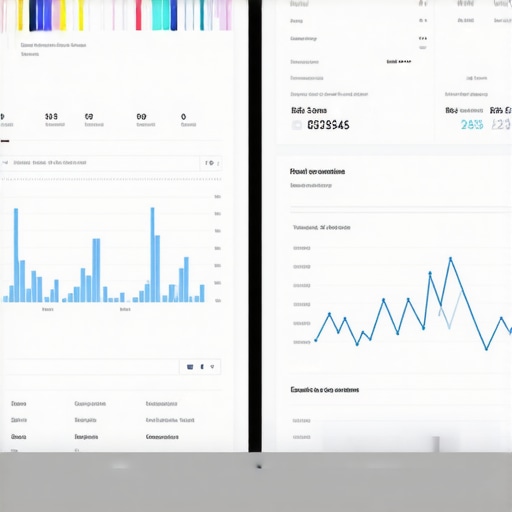
Predictably, the future of CPA tools is trending toward AI-driven analytics and real-time data analysis. Advanced dashboards now provide actionable insights, forecast cash flow, and flag potential compliance issues automatically. Embracing these tools early can give you a competitive edge, ensuring your financial health remains optimal as your business scales.
How do I maintain my tools for long-term performance?
Beyond routine updates, it’s crucial to stay informed about the latest features and best practices. Join user communities or subscribe to software newsletters to keep up with updates. Additionally, schedule periodic reviews with your CPA or financial advisor to interpret data insights and adjust your processes accordingly. For a comprehensive guide on maintaining accurate records, consider reading this resource. Moreover, exploring advanced tips like leveraging AI in your accounting can significantly boost your efficiency. I recommend trying out predictive analytics features in your current software to anticipate cash flow issues before they occur—it’s a game-changer for proactive management.
What Hidden Lessons I Wish I Knew About CPA Services and Tax Prep
One of the biggest surprises I encountered was realizing how easily a plugin conflict could inflate my tax liability, even when I thought my records were flawless. It taught me that trust in automation needs to be balanced with manual vigilance and regular audits. I also learned that no matter how reliable your software seems, a small misconfiguration can have significant repercussions come tax time. The importance of staying proactive, rather than reactive, was a game-changer, saving me from penalties and sleepless nights. Lastly, understanding that a skilled CPA isn’t just a tax filer but a strategic partner made all the difference in optimizing my business’s financial health.
The Best Resources to Master Your Business Finances
My go-to tools include QuickBooks Online, which offers seamless automation and real-time data, helping me maintain accurate records effortlessly. For deep dives into bookkeeping strategies, I rely on this comprehensive guide, which breaks down complex concepts into actionable tips. When it comes to payroll, these management tips keep my processes efficient and compliant. Lastly, partnering with a trusted CPA service like Smart CPA Services has been invaluable in transforming my approach from reactive to strategic.
The Power of Taking Action Now
Your journey toward stress-free tax season and reliable bookkeeping starts today. The insights I’ve shared can be your stepping stones to a more organized and profitable business. Remember, every small improvement—like regular data audits or choosing better software—creates a ripple effect that saves time and money in the long run. Don’t wait until errors pile up or penalties strike; take control now and set your business on a smoother path. Embrace the tools, learn from experienced CPAs, and make proactive decisions—your future self will thank you. Ready to transform your financial management? What’s the first step you’re going to take today? Share your plans below.