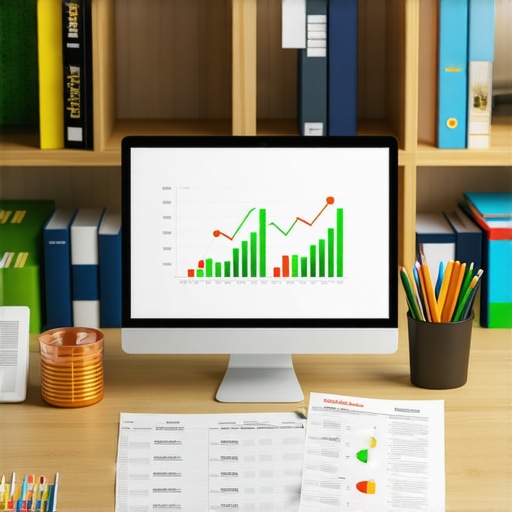
I remember the exact moment it hit me—standing knee-deep in receipts, invoice stacks teetering on my desk, frustration bubbling over. It was late March, and I was scrambling to get my taxes done. The clock was ticking, and I realized I’d wasted hours chasing down scattered documents and trying to piece together my financial mess. That lightbulb moment made me vow to find a smarter way.
Why Getting Your 2024 Finances Right Matters Now
As a small business owner or freelancer, tax season can feel like an uphill battle. But here’s the thing—if you don’t get your bookkeeping and tax filing streamlined, it can drain your time, drain your energy, and even cost you money. Think about it: every minute spent hunting for receipts or correcting errors is time lost on growing your business or enjoying your life. And with 2024 fast approaching, the pressure is on to get organized.
Fortunately, I’ve learned a thing or two—mainly, that leveraging smart CPA services and the right tools can make all the difference. Not just for saving time but for making smarter financial decisions that could save you money in the long run. According to a recent study, businesses that implement automated bookkeeping and tax strategies see an average of 30% reduction in compliance costs. That’s no small feat!
Have you ever faced the chaos of last-minute tax prep?
If your answer is yes, you’re not alone. I made the mistake early on of trying to do everything manually, which led me to overlook deductions and make costly errors. It’s a lesson I won’t repeat. Instead, I started exploring top smart CPA tools and strategies, which transformed my approach entirely. Want to know how I did it? Keep reading, because I’ll walk you through the best tips and tricks for making tax season a breeze in 2024.
Set Up a Clear Financial Organization System
The first step I took was creating a dedicated digital folder for all my financial documents. Think of it like a well-organized filing cabinet but online. I scanned receipts, invoices, and bank statements into categorized folders, which made retrieval faster during tax time. This process might seem tedious initially, but it pays off by saving hours later. To streamline this, consider using [smart CPA tools for seamless payroll & financial management](https://smartcpaservices.com/best-smart-cpa-tools-for-seamless-payroll-financial-management) that automatically sync with your bank accounts and categorize transactions.
Leverage Automation Tools for Recurring Tasks
Automation is your best friend when it comes to bookkeeping and payroll. I integrated apps like QuickBooks or Xero, which connect directly to my accounts and categorize expenses without manual input. This is akin to having a robot assistant that keeps your books balanced. For payroll management, smart CPA services offer features that automatically calculate taxes, process payments, and file reports. Check out [top payroll management strategies using smart CPA tools in 2024](https://smartcpaservices.com/top-payroll-management-strategies-using-smart-cpa-tools-in-2024-3) for detailed guidance.
Implement Real-Time Data Tracking
Instead of waiting for monthly summaries, I set up real-time tracking of income and expenses. Using mobile apps linked to my bank, I monitored cash flow daily. This is like having a dashboard in your car—gives instant feedback on your financial health. It helped me spot errors early and avoid last-minute surprises. For effective tax filing, this approach ensures your records are always current, reducing stress and errors. Visit [ultimate guide to streamlined bookkeeping & tax filing](https://smartcpaservices.com/ultimate-guide-to-streamlined-bookkeeping-tax-filing-2024) for more tips.
Automate Tax Deductions Identification
One of my biggest wins was setting up my accounting software to flag potential deductions automatically. This involves customizing expense categories and rules so that, for example, home office or travel expenses are highlighted during review. It’s like having a smart assistant that points out savings opportunities. By doing this, I reduced overpaid taxes and maximized my refunds. To master this, explore [top tax filing tips using smart CPA services for 2024](https://smartcpaservices.com/top-tax-filing-tips-using-smart-cpa-services-for-2024).
Schedule Regular Financial Reviews
I set weekly or bi-weekly check-ins to review my financial data, reconcile accounts, and adjust as needed. This habit keeps me on top of my numbers and prevents accumulating errors. Think of it as a health check-up for your finances—better done regularly than waiting for crises. During these reviews, I also update my records for upcoming tax deadlines, making year-end filing smoother. For a comprehensive approach, see [effective CPA services for stress-free tax filing & bookkeeping](https://smartcpaservices.com/effective-cpa-services-for-stress-free-tax-filing-bookkeeping-2024).
Many small business owners fall prey to misconceptions that can sabotage their financial health. Let’s dig deeper into some of the most pervasive myths and unveil the hidden nuances that could save you time and money. First, a widespread belief is that manual bookkeeping is sufficient for small businesses. In reality, relying solely on spreadsheets or paper records can lead to overlooked deductions and errors. Automated tools and smart CPA services are designed to catch these issues early, ensuring compliance and maximizing deductions. For example, streamlined bookkeeping solutions can help you keep accurate, real-time records, reducing stress during tax season.
Another common myth is that only large expenses qualify for deductions. This is false; many small expenses, like a home office, subscriptions, or even a portion of your internet bill, are deductible if properly documented. Missing out on these can lead to paying more taxes than necessary. Advanced tax strategies involve setting up your accounting software to automatically flag these deductions, which I discuss in my top tax tips for 2024.
What advanced mistakes do small business owners often overlook in their tax planning?
One critical mistake is neglecting to consider the timing of income and expenses. This can affect your tax bracket and overall liability. For instance, delaying invoices or accelerating expenses at year-end can optimize your tax position. Smart CPA tools can facilitate this by providing insights into your cash flow and suggesting optimal timing strategies. Moreover, many underestimate the importance of regular financial reviews. Consistent check-ins allow you to catch errors early, adjust your strategies, and avoid surprises at tax time. For more on this, see effective bookkeeping tips.
Lastly, some believe that tax planning is only necessary at year-end. In truth, proactive planning throughout the year ensures you’re not caught off guard and allows for better decision-making. Using integrated tools and expert CPA advice can turn tax planning from a dreaded chore into a strategic advantage. Do you fall into any of these traps? Let me know in the comments!
How do I maintain my financial tools over time?
Maintaining your financial management tools is crucial for long-term success. Personally, I rely heavily on [smart CPA tools for seamless payroll & financial management](https://smartcpaservices.com/best-smart-cpa-tools-for-seamless-payroll-financial-management), which offer automatic updates and cloud backups. To ensure these tools continue to serve you well, schedule regular software updates, review your integrations quarterly, and back up your data frequently. This proactive approach prevents unexpected disruptions and keeps your systems secure. As technology evolves, I predict AI-driven automation will become even more integral, making financial management faster and more accurate. Pro tip: Set a monthly reminder to review your software settings and data health to catch potential issues early.
Implementing automation in your bookkeeping, payroll, and tax filing processes isn’t a one-time setup. It requires ongoing attention to detail. For example, I regularly audit transaction categories and reconciliation reports to ensure accuracy. This habit helps me catch discrepancies before they snowball into bigger problems, saving time and money. If you haven’t already, try customizing your expense rules in your accounting software to automatically flag deductible expenses, which can maximize savings during tax season. For more detailed strategies, visit [top payroll management strategies using smart CPA tools in 2024](https://smartcpaservices.com/top-payroll-management-strategies-using-smart-cpa-tools-in-2024-3).
Remember, technology is moving fast. Staying ahead means not only choosing the right tools but also maintaining them diligently. Regular reviews, backups, and updates are your best defenses against data loss or security breaches. By integrating these practices, you’ll keep your financial systems resilient and reliable, ensuring your business remains on solid ground for years to come. Don’t wait until problems arise—start scheduling your maintenance routines today and embrace the future of automated financial management!
< >
>
The Hardest Lesson I Learned About Small Business Finances
Early in my entrepreneurial journey, I believed manual bookkeeping was enough, but I quickly realized it was a costly myth. The truth is, automated tools and smart CPA services are essential for catching overlooked deductions and avoiding errors that can eat into your profits.
3 Myths About Tax Preparation That Held Me Back
I used to think that only big expenses qualify for deductions, leading me to miss out on small yet significant write-offs like home office costs or subscriptions. Embracing automation and expert advice helped me uncover hidden savings I never knew existed.
The Lesson That Transformed My Approach to Finances
One of my biggest lightbulb moments was understanding the importance of regular financial reviews. Scheduling weekly check-ins kept my records accurate and stress-free, turning what was once a dreaded chore into an empowering routine.
My Essential Toolkit for Effortless Bookkeeping
I rely on tools like smart CPA tools for seamless payroll & financial management and the ultimate guide to streamlined bookkeeping & tax filing. These have been game-changers in maintaining accurate, real-time records and reducing compliance costs. For insights on payroll management, I recommend top payroll strategies using smart CPA tools in 2024.
Believe in Your Power to Transform Finances
The future of small business finance lies in automation and consistent review. Don’t wait for tax season to get organized—start now, embrace technology, and watch your stress turn into strategic growth. Remember, every step you take today builds a stronger, more resilient financial foundation for tomorrow.
What’s one financial habit you’re planning to adopt in 2024? Share your thoughts below!
I completely relate to the initial chaos of handling receipts and invoices manually—been there! Automating bookkeeping and setting up organized digital folders made a huge difference for me. It’s surprising how much time is saved when everything is categorized and accessible at a glance. I’ve personally found that using cloud-based tools like QuickBooks has streamlined my financial processes, especially during tax season. One thing I’ve learned is that regular financial reviews, even if briefly weekly, keep mistakes from piling up and lessen end-of-year stress. I’m curious, for those new to automation, what are your biggest concerns or hurdles in switching to digital tools? I’d also love to hear if anyone has tips for training team members or collaborators to adapt to these systems smoothly.
Reading about the importance of regular financial reviews really hit home for me. I used to delay these checks until tax season, which often led to last-minute scrambling and missed deductions. Now, after adopting weekly review routines with cloud-based tools, I find that I catch errors early and have a clearer picture of my financial health throughout the year. I’ve also started to educate my team on maintaining this discipline, which has helped us stay aligned and efficient.
One challenge I’ve encountered is ensuring that everyone involved follows the same process consistently, especially when working remotely. Do others have any tips on how to foster accountability and make these reviews a seamless part of a small business or freelance workflow? I think integrating checklists or automated alerts could help in maintaining this discipline. It’s such a valuable habit that really saves time and stress come tax time.