

I was sitting on my office floor at midnight, surrounded by a sea of faded thermal paper and a cold cup of coffee. One particular receipt from a BBQ joint in Austin was so blank it looked like a white flag of surrender. I had no idea who I’d met or what business we discussed. That was my rock bottom. I spent four hours that night trying to match credit card swipes to calendar invites, feeling like a cut-rate detective instead of a business owner. If you’ve ever felt that pit in your stomach when tax season looms, you know exactly what I’m talking about. Today, I’m going to show you how to burn that shoebox for good and still keep the IRS happy by using a streamlined digital approach. We are going to simplify your life by making tax filing simplified through a process that actually works for busy humans. [image_placeholder_1]
Stop Living in a Paper Avalanche
My biggest mistake early on was thinking that “being organized” meant keeping every physical scrap of paper. I was wrong. It’s not about the paper; it’s about the contemporaneous record. I used to think I could just document business meals without a shoebox of receipts by memory, but memory is a liar when you’re busy. You need a system that captures the “Who, What, and Why” the moment the card is swiped. Have you ever lost a deduction because you simply couldn’t remember why you bought a $50 lunch? It’s frustratingly common. According to a report by the National Federation of Independent Business, small business owners spend an average of 120 hours annually on tax-related paperwork, which is essentially three full work weeks lost to administrative dread. Using modern smartcpaservices and digital workflows can reclaim that time.
Is this strategy actually legal?
The short answer is a resounding yes, provided you follow the right digital trail. The IRS has allowed digital records since 1997, yet many of us still act like we’re living in 1985. You don’t need the physical clutter to prove your case. I’ll walk you through the tactic to prove your travel was for business and not just a sneaky getaway, ensuring your deductions are ironclad. We’re moving toward a world where your phone does the heavy lifting, letting you focus on growth rather than glueing receipts to printer paper. This is the foundation of how to defend your travel expenses if an auditor ever comes knocking.
Separate Your Plastic to Save Your Sanity
The first step is non-negotiable: stop the cross-contamination. I once accidentally used my personal debit card for a $2,400 specialized laptop purchase during a hectic launch week. Because that expense didn’t show up in my business bank feed, I completely forgot about it until an eleventh-hour review. That mistake nearly cost me hundreds in lost deductions. This is exactly the reason you should never mix personal and business credit cards. When you use one card for everything, your ledger becomes a tangled knot of grocery runs and software subscriptions that even a forensic accountant would struggle to untie. Beyond the headache, you are dealing with the hidden cost of using personal credit cards for growth, which often includes messy liability issues and missed tax benefits.
Capture the Moment Before the Ink Fades
Think of your bookkeeping like dental hygiene. If you brush and floss daily (capture expenses as they happen), you avoid the painful root canal (the tax season panic). Thermal paper receipts are designed to fail; the ink literally evaporates within months. You need a system where you snap a photo of the receipt before you even leave the restaurant table. This eliminates the need for manual logs because the digital image carries the metadata you need. I stopped carrying a wallet for receipts and started using a dedicated app. This shift is vital because why manual data entry is the biggest risk to your books usually comes down to human error and simple forgetfulness. 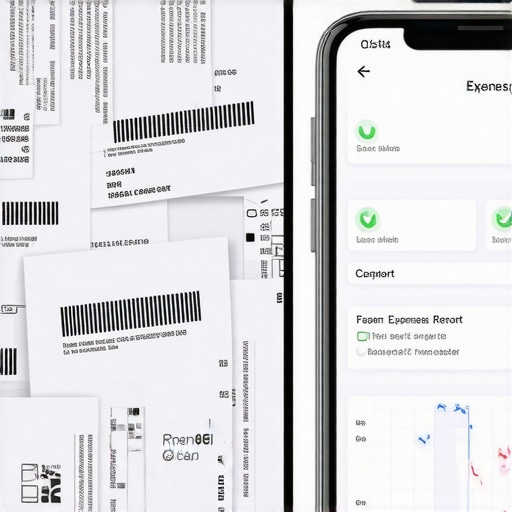
The Truth About Business Meals
Don’t just save the receipt; write the purpose on it before you take the photo. The IRS doesn’t just want to see that you spent $85 at a steakhouse; they want to know which client was there and what project was discussed. Learning the truth about deducting business meals in the current economy will save you from an auditor’s red pen.
Your Ledger Needs a Weekly Pulse Check
Waiting until the end of the year to look at your numbers is like trying to drive a car while only looking in the rearview mirror. I spent years doing ‘marathon bookkeeping’ every December, and it was miserable. Now, I dedicate 15 minutes every Friday morning to ‘clearing the deck.’ I categorize any mystery transactions and ensure my bank feed matches my actual spending. These are the bookkeeping secrets every small business owner should know to maintain actual control over their cash flow.
Make Your Bookkeeper and CPA Talk Early
One of the biggest bottlenecks in my business was being the middleman. I would get a question from my tax preparer and have to go hunt down an answer from my records. The solution? Get them on the same page from day one. There is a specific reason why your bookkeeper and tax preparer need to talk throughout the year, not just in April. This proactive communication is the best way to maximize your tax filing efficiency in 2025 expert cpa tips and ensure your business structure is working for you, not against you.Most people assume that once they link their bank account to their software, the hard work is over. I call this the ‘automation trap.’ While technology is a godsend for busy owners, I’ve seen entrepreneurs walk straight into a financial wall because of the truth about why your expense automation keeps failing. If you let software ‘guess’ your categories without oversight, you end up with a mess that actually increases your audit risk. For example, why your automated bank feeds create duplicate invoices is a common technical glitch that can make you look twice as profitable as you actually are. The IRS will gladly tax you on that ghost profit if you don’t catch it. Have you ever fallen into this trap? Let me know in the comments. 
The Hidden Danger of Set-It-and-Forget-It Accounting
In my experience, the biggest ‘oops’ factor for growing businesses is trusting the default settings in their tools. According to a report by the Journal of Accountancy, nearly 27% of small businesses cite manual data entry and ‘automated’ synchronization errors as their primary source of financial reporting inaccuracies. This is why the problem with automatic bank categorization in QuickBooks is more than just a nuisance; it’s a fundamental liability. You might think you’re saving time, but you’re actually creating a ‘black box’ where expenses are mislabeled, leading to missed deductions or, worse, flagged returns. I always tell my clients that a digital system is only as good as the person reviewing the weekly pulse check.
Why Your P&L Statement and Tax Return Look Like Strangers
It’s a shock to many when their year-end profit and loss statement shows they made $100,000, yet their tax return says something completely different. This discrepancy often leads to panic, but it usually comes down to timing and non-deductible expenses. Exploring why your pl statement doesnt match your tax return is a graduate-level skill in business ownership. It involves understanding that ‘book income’ and ‘tax income’ are governed by different rules. If you aren’t prepared for this gap, you’ll find yourself with a tax bill you haven’t budgeted for.
Does Your Business Need to Move to Accrual Reporting?
As you scale, the simple ‘cash basis’ method—where you only record money when it hits your bank—might start to fail you. While cash basis is easier, why your cash basis reporting is hiding your true debt becomes a major issue when you have large outstanding bills or inventory. Moving to the accrual method gives you a much clearer picture of your actual financial health. I often help clients navigate the move to transition your business from cash to accrual reporting when their operations become too complex for simple bank-feed tracking. If you’re feeling overwhelmed by these nuances, don’t hesitate to reach out to a professional through our contact us page to get your strategy back on track.
I’m a bit of a tech nerd at heart, so I’ve tried almost every ‘magic’ app on the market promising to solve my accounting woes. Through plenty of trial and error, I found that tools like Dext or Hubdoc are only as good as the rules you set for them. I personally use Dext because its OCR (Optical Character Recognition) technology is incredibly accurate at pulling tax and supplier info, but I still dedicate ten minutes every Sunday to reviewing the ‘Inbox’ to ensure nothing is miscoded. This simple habit is what actually prevents the manual data entry risks I mentioned earlier. For those of you scaling a team, implementing payroll strategies to streamline business operations this year is the only way to keep your sanity while your headcount grows.
The Toolkit That Keeps My Finances Clean
As your team expands, you cannot afford to have your employee costs living on a separate island from your main books. I eventually made the move to sync your payroll with your general ledger automatically because manually entering paychecks into my accounting software was sucking up two hours a month and leading to constant ‘fat-finger’ errors. By using smartcpaservices to integrate platforms like Gusto or ADP directly into your ledger, your liability and expense accounts essentially balance themselves. This is easily one of the top 3 ways to reduce your payroll processing time without having to hire more administrative help.

When you are choosing these tools, focus on the ‘boring’ details. The American Institute of Certified Public Accountants (AICPA) emphasizes the importance of Statement on Standards for Attestation Engagements (SSAE 18) for service organizations. You want a payroll provider that can provide a SOC 1 report, which ensures their internal controls over your financial data are actually functioning and secure. This level of diligence is what separates a hobbyist from a professional business owner.
How do I maintain these clean habits as my business grows?
Maintenance is less about willpower and more about scheduling. I treat my financial reviews like an unmovable doctor’s appointment. Beyond the weekly check-in, I recommend you use the fast way to audit your own books for common errors at the end of every quarter. This proactive approach helps you spot double-billed software subscriptions or ghost entries before they become a permanent part of your tax return history. If you stay on top of the small stuff, you open the door to advanced maneuvers, like the move to lower your corporate tax rate legally through better entity structuring.
The Future of Your Books Is Predictive
Looking ahead, I predict that in the next three years, we will move entirely beyond reactive bookkeeping. We are entering the era of ‘predictive tax planning’ where your software won’t just tell you what you already spent; it will alert you in real-time that you’re about to hit a new tax bracket and suggest adjustments before the quarter even ends. The goal is to spend zero time looking backward and all your time looking forward. My challenge for you this week: open your ledger and see if you can find just one duplicate subscription or miscategorized meal. It’s the easiest win you’ll have all month.
Hard Truths I Learned While Dumping My Paper Habit
Transitioning from a physical filing system to a digital one was the single most terrifying and rewarding move I ever made. I used to worry that without that physical paper trail, an auditor would laugh me out of the room. The reality? They actually prefer the digital trail because it is time-stamped and searchable. One lightbulb moment for me was realizing that my shoebox wasn’t a safety net; it was a liability that made why using personal credit cards for business is a tax nightmare even harder to fix. I also learned that if you wait more than 48 hours to snap a photo of a receipt, the odds of you actually doing it drop by 80%. Consistency beats intensity every single time.
My Personal Arsenal for Financial Sanity
If you are looking to build your own digital fortress, you don’t need a dozen apps. I personally rely on smartcpaservices to keep the big picture in focus, but for the daily grind, I recommend Dext for receipt capture and Gusto for handling the team. These tools are game-changers, especially when you apply top payroll management tips for growing businesses in 2025 to your workflow. I also suggest keeping a physical copy of ‘The Tax and Legal Playbook’ by Mark Kohler on your desk; it’s one of the few books that makes tax law actually digestible for humans. If your current records are a disaster, don’t panic—just follow the steps on how to clean up a year of messy bookkeeping in one week to reset your foundation.
#IMAGE_PLACEHOLDER_E#
Take Back Your Sundays from the Spreadsheet Monster
You didn’t start your business to become a full-time data entry clerk. By embracing these digital habits, you aren’t just saving money on taxes; you are buying back your time and mental energy. Whether you are aiming for the secret to lowering your tax bracket legally or just want to sleep better on April 14th, the work starts with that first digital scan. Remember, making tax filing simplified isn’t a one-time event; it’s a lifestyle of small, smart choices. Have you ever found a receipt in your pocket that was so faded it was completely blank? Let me know your worst shoebox horror story in the comments below!