

I remember the cold sweat that hit me at 2 AM on April 14th. I was staring at a spreadsheet that looked like a bowl of alphabet soup, frantically trying to figure out why my bank statement and ledger didn’t match. I thought I was being ‘frugal’ by doing everything myself and only calling a professional when the IRS deadline loomed over my head like a dark cloud. That night, I realized I hadn’t just lost sleep; I had lost thousands of dollars in deductions I could have claimed if I’d just had a five-minute conversation in July. It was a brutal wake-up call. Today, I’m going to show you why treating your accountant like an emergency room doctor instead of a primary care physician is the most expensive mistake you can make for your business. We are going to break down how moving from reactive filing to proactive planning saves your sanity and your bottom line.
Your Wallet Hates Procrastination More Than You Do
For years, I operated under the delusion that CPAs were just ‘tax filers.’ I’d hand over a shoebox of receipts in March and hope for a miracle. The reality? By March, the cement has already dried on your financial year. You can’t go back and restructure a major purchase or change your payroll strategy once the calendar turns. One of my biggest early blunders was missing out on Section 179 deductions because I bought equipment in January that I should have bought in December. If I had just reached out earlier, that mistake would have been caught. According to a report by the National Federation of Independent Business (NFIB), over 90% of small business owners rely on professional tax preparers because the tax code is now too complex for a non-expert to navigate without missing out on significant savings. Have you ever felt that sinking feeling when you realize you’ve been overpaying the government simply because you didn’t know a specific rule existed?
Is a year-round CPA really worth the extra money?
It is easy to look at a monthly retainer or a consultation fee as an ‘extra’ expense. But you have to look at the math. When you use expert CPA tips throughout the year, you aren’t just paying for a form to be filled out; you are paying for a shield against audits and a map to higher profits. I used to think I was saving money by using manual spreadsheets, but I was actually spending hours of my own billable time doing a mediocre job at something a pro could do in minutes. Before you even book that first appointment, I highly recommend looking over this checklist for every owner so you can walk in prepared and get the most value for your time. The peace of mind alone is worth the investment, but the actual tax savings usually pay for the service itself three times over.
Stop Letting Your Bank Feed Lie to You
Many founders assume that because their software is ‘synced’ with the bank, the books are accurate. This is the fastest way to invite an audit. Automated bank feeds are convenient, but they are often riddled with duplicate entries or missed transfers that create a false sense of security. I’ve seen businesses look profitable on paper only to realize their automated bank feed was hiding thousands in missed expenses. To get a grip on your reality, you need to learn how to clean up your chart of accounts without deleting data. It’s like organizing a messy closet; if you just throw everything into a ‘miscellaneous’ bin, you’ll never find your savings. By categorizing every transaction correctly from the start, you ensure that when your CPA looks at your P&L, they see a clear story of your business instead of a jumbled mess. 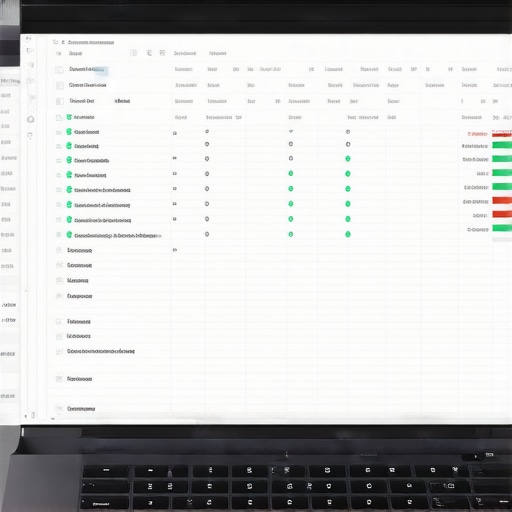
Avoid the Disaster of Peer-to-Peer Payments
I once hired a brilliant freelance designer and, in a rush, paid her through Zelle for six months. I thought I was being efficient. When tax season arrived, I realized I hadn’t captured her tax ID or official documentation. I fell right into the tax trap of paying employees through Venmo or Zelle. These platforms don’t automatically generate the reports you need, and the IRS is increasingly scrutinizing these ‘off-book’ payments. If you are hiring out-of-state talent, you are also facing the hidden tax liability of paying remote staff via Venmo. The fix is simple: use a dedicated payroll provider or a formal accounts payable system. Don’t let a $500 convenience payment turn into a $5,000 penalty because you lacked a paper trail.
Set Your S-Corp Salary the Right Way
If you have an S-Corp, you can’t just take whatever ‘draw’ you want and call it a day. The IRS requires you to pay yourself a ‘reasonable salary,’ and getting this number wrong is a massive red flag. I’ve spoken to owners who kept their salary too low to avoid payroll taxes, only to get hit with back-taxes and interest later. You must understand why your S-Corp reasonable salary calculation might be wrong before the end of the fiscal year. While you’re at it, make sure you know how to document business meals so they survive an audit. A dinner with a client is a legitimate deduction, but ‘lunch’ written on a napkin won’t cut it.
Treat Your Monthly Close Like a Pre-Flight Checklist
Pilots don’t take off without checking their instruments, and you shouldn’t run a business without a month-end close. This isn’t just about balancing the checkbook; it’s about spotting trends before they become catastrophes. Following the checklist for closing your books every month allows you to catch things like double-billed subscriptions or how to handle missing invoices during your monthly close before the trail goes cold. When you do this, you move from wondering if you have money in the bank to knowing exactly how much you can afford to reinvest in growth.
Accrual Accounting Tells the Real Story
Many small business owners cling to cash-based accounting because it feels intuitive: if the money is in the bank, you’re winning. However, this is one of the most dangerous myths in the startup world. Cash-based tracking is the easiest way to feel successful while you are actually going broke. If you want to see your true burn rate and project future growth, you need to transition from cash-based to accrual accounting without a mess. Accrual accounting matches your income to the expenses that actually generated it, giving you a crystal-clear picture of your margins. Without this, you’re just looking at a snapshot of your checking account, which doesn’t account for the $10,000 invoice you owe next Tuesday.
Remote Work Creates a New Kind of Tax Nightmare
Everyone talks about the freedom of remote work, but few mention the ‘nexus’ trap. I’ve seen dozens of founders hire a developer in a different state and assume their payroll software handles the rest. It doesn’t. Simply having one employee in a new state can trigger tax liabilities and filing requirements you never saw coming. You have to fix your payroll nexus when your employees move states immediately, or you’ll face a mountain of penalties and interest. According to a 2023 report from the AICPA, state-level nexus errors are now one of the top triggers for small business audits. If you aren’t tracking where your team actually sits, you are effectively leaving your front door unlocked for the taxman. 
How do you explain a massive revenue drop to the IRS?
If your business hits a rough patch and your revenue plummets, the IRS might actually flag your return for an audit, suspecting you are underreporting income. This is an advanced nuance that catches successful owners off guard. You need to know how to explain a revenue drop to the IRS using data-driven evidence like market shifts or loss of a major contract. Documentation is your only shield here.
The R&D Credit is Not Just for Scientists
One of the biggest ‘oops’ factors I see is software startups leaving money on the table because they think the Research and Development (R&D) tax credit is only for people in white lab coats. If you are developing a new app or improving a technical process, you likely qualify. Knowing the truth about R&D tax credits for small software startups can literally inject five or six figures back into your business. Similarly, ignoring the latest regulatory changes, such as the risk of ignoring the new beneficial ownership reporting, can lead to daily fines that dwarf your actual tax bill. These are the bookkeeping secrets every small business owner should know to stay ahead of the curve. Have you ever fallen into this trap? Let me know in the comments.I’ve spent far too many hours digging through center console bins and glove boxes for a faded gas station receipt just to prove a twenty-dollar deduction. It was a waste of my time and a headache for my accountant. That is why I finally leaned into modern scanning tech. You need to stop chasing receipts and use these three apps instead. These tools do more than just save physical space; they create the kind of audit-proof digital trail that lets you sleep at night. When your documents are organized in the cloud, tax filing is simplified because you are providing data, not a mystery to be solved. According to the IRS Publication 583 (Starting a Business and Keeping Records), you generally must keep records that support an item of income or deduction until the period of limitations for that return runs out—which is usually three years, but can be up to seven. I personally follow the paperwork you need to keep for five years or more rule to ensure I’m never caught off guard.
AI Won’t Save You From a Messy Ledger
The next step for any growing business is learning how to use AI for expense management without creating chaos. AI is incredibly efficient at categorizing a transaction from ‘Amazon’ as ‘Office Supplies,’ but it has no way of knowing if that purchase was actually a client gift or a new ergonomic chair for your home office. You still need a human safety net. I predict that within the next three years, we will see ‘autonomous accounting’ where tax liabilities are calculated in real-time with every swipe of a business card. However, this technology will only be as good as the person overseeing it. If you don’t have human oversight on your bank feed, you are just automating your errors at a faster rate. 
How can you maintain these financial systems as your team grows?
The secret to long-term success isn’t a piece of software; it’s a consistent rhythm. Every 30 days, you must perform a ‘sanity check.’ I recommend a monthly cash flow review to see if your actual spending matches your projected burn rate. As you scale, you will also need to implement top payroll management tips for growing businesses in 2025 to ensure your administrative costs don’t balloon. If you don’t stay on top of these details, you might find that you’re growing your top-line revenue while your actual profit margins are bleeding out through preventable errors. My advanced tip for you today is simple: Open your current ledger and look for ‘Miscellaneous’ or ‘Uncategorized’ expenses. If that total is more than 2% of your monthly spend, your financial data is lying to you. Take thirty minutes this weekend to reclassify those items using bookkeeping secrets every small business owner should know. It is the single fastest way to get a real grip on where your money is actually going.
Lessons I Learned When the Numbers Finally Clicked
Reflecting on my journey, the biggest shift wasn’t learning how to read a balance sheet; it was realizing that financial data is a story, not just a set of chores. I spent years thinking my business was failing because I didn’t have cash in the bank, only to realize I was actually quite profitable—I just had a timing problem. This is exactly why your P&L statement is making you feel broke despite sales. If you aren’t looking at the right metrics, you’re flying blind.
Another hard lesson was that not all help is created equal. A reactive accountant might save you from a fine, but a proactive one will help you grow. I learned to watch for the red flags that suggest your accountant isn’t proactive enough, like failing to suggest new tax-saving structures or ignoring legislative changes. Remember, you aren’t just hiring a data entry clerk; you’re building a partnership with a strategist who should be identifying bookkeeping secrets every small business owner should know to stay competitive.
My Proven Toolkit for Error-Free Bookkeeping
If you want to move from chaos to clarity, you need the right gear in your corner. I swear by these three resources for maintaining a clean ledger and staying compliant:
- Modern Scanning Apps: Physical receipts are the enemy of an efficient audit trail. I found the fix for messy receipts using modern scanning apps was the single biggest time-saver in my weekly routine.
- IRS Publication 583: It’s dry, but it’s the definitive guide for record-keeping. Pairing this with professional top payroll management tips for growing businesses in 2025 ensures you never miss a compliance beat.
- Fractional CFO Guidance: When your business reaches a certain complexity, you need higher-level insights. Knowing the exact moment your LLC needs a fractional CFO can prevent expensive growing pains.
Your Future Self Will Thank You for Starting Now
Financial management doesn’t have to be a source of dread. When you implement these systems, tax filing is simplified and your business becomes a well-oiled machine rather than a source of 2 AM panic. You have the power to turn your accounting from a liability into your greatest asset. If you’re feeling overwhelmed, don’t hesitate to contact us for a tailored strategy. Your business deserves a solid foundation—so go out there and build it.
What’s the one financial task you’ve been putting off all month that you’re going to tackle this weekend? Let me know in the comments below!