
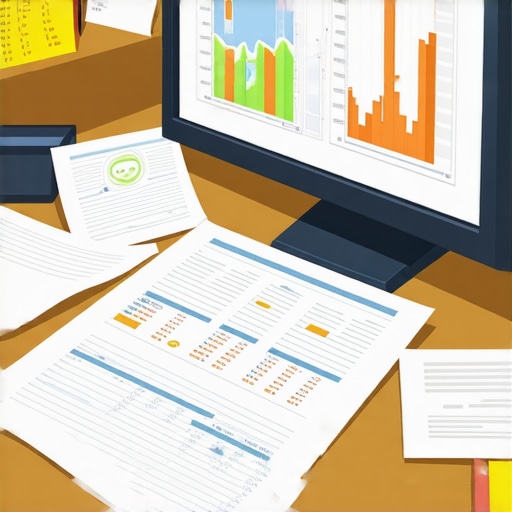
I remember the exact moment I realized my profit and loss (P&L) statement was useless. I had just finished bookcleaning my books for the year, proud of how tidy everything looked. But then, I looked closer and felt my stomach tighten. The figures didn’t add up, and I couldn’t tell if I was actually profitable or drowning in expenses. That lightbulb moment made me question—what’s the point of this report if it’s unreadable?
Why Your Profit and Loss Statement Might Be Heading for Disaster
If you’ve ever felt a sinking feeling when reviewing your financials, you’re not alone. Many small business owners like us rely on the P&L to make crucial decisions, yet over time, it becomes a jumbled mess of numbers that seem to have a life of their own. The common culprit? A mistake so simple to overlook but so devastating in its impact—poor categorization and inconsistent reporting that make your P&L unreadable. Trust me, early on I made this mistake myself, thinking I could wing it. Turns out, that’s exactly how misclassification snowballs into a financial nightmare. But here’s the good news: I found solutions that turned my P&L from chaos into clarity—and I’ll share them with you soon. Before diving into the fixes, let’s consider an important question. Do you really know how well your business is performing, or are you just guessing based on unreliable reports? According to a survey by the National Small Business Association, over 60% of entrepreneurs say their financial statements are either confusing or unhelpful. That’s a staggering number when our business future depends on sound data. If your current statements look like a cryptic puzzle, keep reading. The core issue often lies in a simple mistake I made early on, and it’s the one that turns clear reports into unreadable chaos. Ready to fix this? Let’s explore what you’re probably doing wrong—and how you can correct it. But first, I want to ask—have you experienced the frustration of trying to interpret a confusing P&L and felt completely lost? If so, know that you’re not alone, and help is on the way. We’ll go through proven strategies to organize your bookkeeping, streamline payroll, and ensure your tax filings are spot-on. So, buckle up—your financial clarity is within reach.
Streamline Your Chart of Accounts
Begin by simplifying your chart of accounts; too many categories create confusion. Review each account and eliminate redundancies, consolidating similar items. I did this by merging multiple expense categories into broader groups, which instantly improved report clarity and made tracking easier. For precise guidance, check out this detailed guide.
Adopt Consistent Categorization
Create standardized rules for classifying income and expenses. Use clear labeling and ensure your team understands these standards. When I trained my staff to classify transactions, we avoided misplacement that previously distorted our P&L figures. Regular reviews help catch inconsistencies early. Consider leveraging professional tools or services that enforce these standards, like bookkeeping best practices.
Automate Data Entry and Reconciliation
Manual entry invites errors and delays. Implement software integrations that sync bank feeds and point-of-sale systems directly with your accounting software. This automation reduces misclassification and speeds up reconciliation. For instance, I used a cloud-based solution to import transactions automatically, and within days, our reports reflected real-time data. To prevent common pitfalls, explore this tactic for handling high transaction volumes efficiently.
Schedule Regular Review Cycles
Set weekly or bi-weekly review sessions to monitor your P&L statements. During these meetings, compare actuals against budgets, and investigate discrepancies. When I instituted weekly checks, I caught misclassified expenses before they skewed our reports, saving us from costly corrections at tax time. Incorporate checklist systems to ensure thoroughness—resources like this checklist can be invaluable.
Leverage Expert Assistance
Even with disciplined processes, complex issues may arise that require professional insight. Partnering with qualified CPAs or bookkeeping services can provide clarity and ensure compliance. I once faced a tangled reconciliation involving multiple entities; consulting a CPA helped me realign our ledger and prevented potential audit flags. Discover how organized digital receipts and expert guidance can radically improve your reporting accuracy.
Use Visual Aids and Dashboards
Charts, graphs, and dashboards make complex data more digestible. I introduced visual reporting tools that highlighted anomalies, enabling swift action. This approach turns raw numbers into stories that are easy to interpret, ensuring you make informed decisions. Explore options to create impactful visuals in your financial software or through supplementary tools, as discussed in this resource.
Many small business owners believe that outsourcing their accounting or payroll routines automatically guarantees accuracy and peace of mind. However, the truth is often more nuanced. One common misconception is that choosing a cheap or automated service will suffice, but in my experience, skimping on quality or oversimplifying processes can create significant blind spots in your financial picture.
Are Your Systems Truly Suited to Your Business Complexity?
Many assume that one-size-fits-all solutions like generic bookkeeping software or standard CPA packages will adapt seamlessly to their unique needs. Yet, this often leads to overlooked nuances, such as multi-entity structures or international payroll complexities. For instance, neglecting multi-state tax obligations or specific legal deductions can lead to costly audits or missed savings. This misalignment underscores a critical misstep—thinking that standardized solutions suffice when, in reality, tailored strategies deliver the most value.
Furthermore, there’s a dangerous trap in relying solely on automation without comprehensive oversight. Automated tools are powerful, but they can also reinforce existing errors if not properly configured. For example, inconsistent categorization in your ledger may become ingrained, compounding inaccuracies over time. Regular audits of your digital records, or consulting with an expert familiar with advanced reconciliation tactics, can prevent errors from snowballing. For insights on this, consider reviewing how to organize digital receipts efficiently.
One often-overlooked aspect involves understanding the scope of your CPA’s expertise. Many assume that a CPA’s role ends at tax filing, but their strategic input can influence decisions ranging from asset depreciation to payroll structuring. For example, effective payroll management is more than just issuing checks—it involves compliance, tax liability optimization, and risk mitigation. To explore more advanced payroll strategies tailored for growing businesses, see top payroll management tips for 2025.
Lastly, an underappreciated nuance is the rate at which financial data should be reviewed and reconciled. Relying on quarterly reports, or worse, annual summaries, leaves too much room for unnoticed errors or compliance lapses. Implementing frequent review cycles—weekly or bi-weekly—enables proactive correction and deeper insights into cash flow and profitability shifts. Resources like these advanced auditing tips can guide you in developing effective review routines.
In the end, the key is not just outsourcing but strategically managing and customizing your financial systems. Recognizing that a complex business demands complex management prevents costly mistakes and unlocks true financial clarity. Have you ever fallen into this trap? Let me know in the comments, and share your experiences with refining your financial approach.Maintaining a reliable and efficient financial system is crucial for your business’s longevity and growth. I personally rely on a combination of specialized software and disciplined routines to ensure my bookkeeping, payroll, and tax filings stay accurate and up-to-date. One tool I can’t live without is QuickBooks Online. It’s intuitive, cloud-based, and integrates seamlessly with my bank feeds, significantly reducing manual data entry errors. To keep everything synchronized, I use its auto-reconciliation features, which I review weekly to catch discrepancies early. For payroll, Gusto stands out for its user-friendly interface and compliance features. I set up automated payroll runs bi-weekly and review the reports for any anomalies, ensuring my team is paid accurately and on time. This proactive approach prevents costly errors and keeps my payroll liability accounts aligned with bank statements, a detail I learned the hard way. For tax filing, I leverage dedicated CPA software like Drake Tax, which my CPA firm recommends. It offers comprehensive calculations and supports submission directly to tax authorities, streamlining the filing process. Regularly updating and reviewing these tools and routines helps prevent small issues from escalating into significant problems. Looking ahead, I see automation evolving further—artificial intelligence and machine learning will soon offer predictive insights into cash flow and expense trends, enabling even more proactive management. To get the most out of your tools, consider adopting a routine of weekly reconciliations and periodic system audits, similar to the tactics discussed in [this guide](https://smartcpaservices.com/how-to-reconcile-high-volume-e-commerce-sales-fast). How do I maintain my tools over time? I schedule quarterly reviews of my software subscriptions and workflows, and I stay informed about new features or updates through industry webinars and CPA newsletters. For example, I recently integrated a digital receipt automation system that scans and categorizes expenses automatically, drastically reducing manual input and the risk of misclassification. Implementing such updates keeps my system resilient and aligned with best practices, like those outlined in [this detailed article](https://smartcpaservices.com/why-your-automated-bookkeeping-keeps-breaking-your-reports-3). Testing out one of these advanced tools or routines can dramatically improve your financial oversight and save you countless hours each month.
Lessons That Changed My Approach to Small Business Finances
One eye-opening realization for me was that even the most sophisticated software can’t compensate for poor categorization habits. It wasn’t until I manually reviewed my transactions and corrected recurring misclassifications that my reports began reflecting the true health of my business. Relying solely on automation exposed my blind spots, making me appreciate the importance of regular, hands-on review—an insight I wish I had embraced earlier.
Another lesson learned was the value of tailored workflow systems. Off-the-shelf solutions often mask complexities unique to your business. When I customized my chart of accounts to better match my revenue streams and expense structures, I gained actionable insights rather than just raw data. It reinforced that investing time in a system that adapts to your operations yields dividends in accuracy and peace of mind.
Finally, I discovered that seeking expert guidance isn’t a sign of weakness but an essential strategy. Collaborating with a knowledgeable CPA helped me identify overlooked tax deductions and optimize my payroll processes. That partnership transformed my understanding of compliance and strategic planning—lessons that no software tutorial could replace.
Tools and Resources That Keep My Financial Systems Sharp
My go-to resource for demystifying complex bookkeeping scenarios is this comprehensive guide. It offers practical advice on organizing digital receipts and avoiding common errors. For payroll optimization, I depend on latest insights from payroll management experts that help me streamline operations and ensure compliance. When it comes to tax season, these CPA tips have been invaluable in maximizing deductions and minimizing surprises. Lastly, this resource guides me through strategic tax planning tailored for small business owners emphasizing proactive measures rather than reactive fixes.
Your Next Move Toward Financial Confidence
Remember, mastering your financial clarity isn’t a one-time effort but an ongoing journey. Every step you take—whether simplifying your chart of accounts, scheduling regular reviews, or consulting with experts—brings you closer to making informed decisions that fuel growth. Now is the moment to evaluate your current systems and seek tailored solutions that serve your business uniquely. Why wait to unlock the confidence that comes with accurate, actionable financial data? Take action today, and start transforming your bookkeeping and reporting practices into powerful tools for success.