
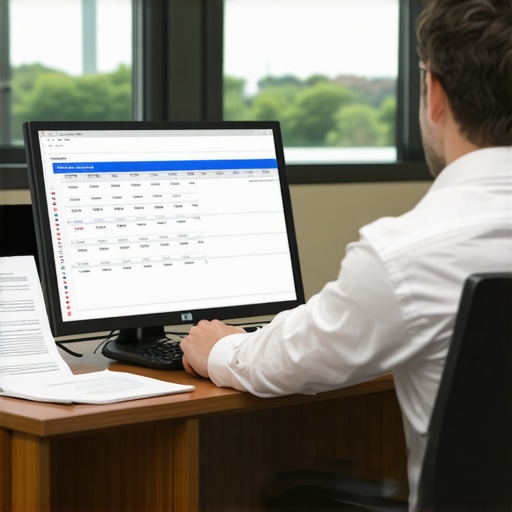
I still vividly remember the moment it hit me. Our company had just completed a routine payroll cycle, and I casually glanced over the numbers—only to realize we’d overlooked a critical detail. It was like stepping into a minefield of potential audit triggers. That lightbulb moment made me see how a seemingly straightforward remote payroll setup can become a ticking time bomb for IRS audits. Have you ever felt that unsettling doubt creeping in whenever you review your payroll reports? You’re not alone.
The Hidden Risks of Your Remote Payroll Nexus
When I first launched our remote payroll system, I believed I had everything under control. We used popular software, kept diligent records, and stayed compliant with basic regulations. But as I dug deeper, I uncovered a startling truth: without meticulous management, your entire payroll process can become a sitting duck for audits. The problem isn’t just human error; it’s the complex web of compliance requirements that change faster than many realize. According to a recent report, inaccurate payroll reporting is one of the leading causes of IRS audit flags for small businesses, particularly those with remote workers. Being aware of these pitfalls can save you from costly penalties and reputation damage.
So, what exactly makes a remote payroll nexus so vulnerable? It’s the subtle gaps—misclassified workers, mistaken tax withholdings, or unreported income—that collectively raise red flags during audits. Early on, I made a critical mistake: I assumed that standard payroll software alone sufficed. I didn’t realize that they often overlook nuances like multi-state tax compliance or the complexities of remoteworker tax residency. If you’re relying solely on tools without understanding the finer details, you might be unknowingly setting yourself up for trouble.
Thankfully, there are proven strategies to fortify your payroll process, which we’ll explore shortly. But first, it’s crucial to recognize that being proactive is the best defense. If your payroll setup hasn’t been reviewed recently, now is the time. The stakes are high—audits can result in hefty fines, back taxes, and endless sleepless nights. The key is to identify weaknesses before they turn into costly liabilities.
Have you faced a payroll-related audit before? Or perhaps you’re unsure whether your current system can withstand scrutiny? Either way, understanding where your vulnerabilities lie can empower you to make smarter decisions. To dive deeper into specific pitfalls and how to avoid them, check out resources like this comprehensive guide. Now, let’s turn our attention to the practical steps you can take right now to safeguard your business from becoming an easy target for audit inquiries.
Audit-Proof Your Payroll with Precise Compliance Checks
Start by conducting a thorough review of your current payroll setup. Cross-reference your worker classifications with IRS definitions, ensuring no remote employees are misclassified as independent contractors. Mistakes here resemble a leaky boat—if ignored, it sinks your entire compliance effort. Use tools like these CPA tools to verify each worker’s tax residency and confirm proper classification.
Implement Multi-State Tax Strategies Effectively
When dealing with remote staff across different states, you must recognize and adapt to localized tax laws. Think of multi-state taxation like managing multiple watering cans—overwatering one area while neglecting another can lead to drought or floods, triggering audit flags. Map out all jurisdictions your workers operate in and ensure your payroll system automatically applies the correct withholding rules. Leveraging these strategies will help prevent accidental over- or under-withholding, which auditors often scrutinize.
Refine Record-Keeping with Reliable Reconciliation
Disorganized records create fertile ground for audit red flags. Adopt a system akin to a well-oiled machine by reconciling payroll, timesheets, and bank feeds weekly. For instance, I personally experienced a messy reconciliation that caused a month’s worth of errors. By integrating these bookkeeping fixes and automating data sync through API integrations, I eliminated duplication and improved accuracy. Regular reconciliation acts as a financial health check-up—catching discrepancies before they escalate.
Optimize Tax Filing Processes for Clarity and Compliance
Tax filing can seem daunting, but breaking it down simplifies the task. Prepare by segmenting income streams and expenses by jurisdiction and worker classification. Employ these hacks to minimize errors, like double-reporting income or missing deductions. Automate where possible, using reliable software that syncs with your payroll and bookkeeping systems. Remember, precise filing isn’t just about avoiding penalties; it’s about building trust with regulatory bodies and stakeholders alike.
Leverage CPA Expertise to Keep Risks at Bay
Constantly evolving tax laws and compliance standards demand expert oversight. Engage with CPA services that specialize in remote payroll management to review your procedures quarterly. Think of CPAs as your financial bodyguards—they identify vulnerabilities unseen by internal teams. For targeted advice, explore these consulting tactics. Their insights turn complex regulations into actionable steps, ensuring your system remains audit-resistant.
Monitor and Adjust Regularly to Stay Ahead
Finally, consider payroll management a dynamic process rather than a set-it-and-forget-it task. Schedule monthly audits using checklists derived from these tactics. Stay informed about updates in remote worker regulations and adjust your system proactively. Think of this as tending a garden—consistent care ensures it flourishes and keeps pests like IRS scrutiny at bay. Incorporate automation and CPA reviews into your routines to sustain a compliant, audit-proof remote payroll operation.Many entrepreneurs assume that setting up payroll and bookkeeping is a straightforward task, but the truth is that most common practices harbor subtle pitfalls that can lead to costly compliance issues. One myth I often encounter is the belief that basic software alone suffices for full compliance—however, advanced knowledge of local tax laws and worker classifications is crucial. For example, relying solely on automated payroll tools without understanding multi-state tax nuances can inadvertently trigger red flags during audits. An often-overlooked mistake is neglecting regular reconciliation; engaging in monthly checks using tools like these reconciliation strategies can prevent discrepancies that raise suspicion. Additionally, many think that CPA services are only necessary during tax season, but proactive consultation with experts, as discussed here, can help fine-tune your compliance posture year-round. One trap to avoid is underestimating the complexity of asset depreciation; advanced tools like depreciation verification tools ensure you are not leaving potential deductions on the table. Moreover, misclassification of remote workers as independent contractors remains a widespread mistake; rigorous verification through these tools can safeguard against IRS penalties. Remember, simplicity isn’t always safe; diving into these advanced nuances ensures your business stays compliant and avoids surprises. Have you ever fallen into this trap? Let me know in the comments.Maintaining an efficient and compliant payroll process is an ongoing challenge that requires the right tools and consistent practices. Personally, I’ve found that leveraging specialized software combined with regular review routines keeps our system smooth and audit-ready. For example, I rely heavily on these CPA verification tools. They allow me to confirm each remote worker’s tax residency swiftly, ensuring correct classifications and withholding—key to avoiding costly mistakes. As remote work continues to grow, I predict that AI-driven automation will become even more integral, offering predictive analytics that flag potential compliance issues before they escalate. To keep your payroll working seamlessly over time, consider integrating automated reconciliation processes, like these strategies. Regularly reconciling your payroll with your bank feeds can highlight discrepancies early, preventing surprises during audits. One effective habit is setting monthly reconciliation checkpoints—it’s like a health check for your finances, catching errors before they become systemic. If you’re serious about scaling, investing in an automated payroll management system that adapts to multi-state and international requirements is vital. For instance, exploring solutions that incorporate flat-rate payroll services could prevent hidden charges and ensure consistency. Curious about how to fine-tune your system? I recommend trying out these verification and reconciliation tools to see immediate improvements. Consistent application of these strategies ensures your payroll remains a reliable backbone as your business grows and evolves.
What I Wish I Had Known About Payroll Pitfalls Early On
- Trusting automated tools without deep compliance insights can lead to unseen red flags—never assume software catches everything.
- Regular, hands-on reconciliation unlocked the early warning signs that kept our audits at bay, turning a reactive process into a proactive shield.
- Misclassifying remote workers seemed harmless until an auditor’s review revealed how a small oversight could escalate into hefty penalties.
- Understanding multi-state tax nuances was a game-changer—assuming uniform rules across states is a fast track to compliance chaos.
Building Your Toolkit for Better Payroll Decisions
- These verified strategies have helped me transform compliance from a daunting task into a manageable routine:
- Leverage CPA verification tools to confirm worker classifications accurately.
- Implement consistent reconciliation practices to catch discrepancies early.
- Stay updated with the latest multi-state regulations for remote workers.
- Consult with dedicated CPAs specializing in remote payroll regularly to anticipate shifts in compliance standards.
Embrace Action to Secure Your Remote Payroll Future
Don’t wait for a red flag to force your hand—taking decisive steps now will safeguard your business against costly audits and penalties. The landscape of remote payroll management is evolving rapidly, and proactive adaptation is the key to peace of mind. By continuously refining your processes and leveraging trusted resources, you’re not just avoiding trouble—you’re positioning your business for sustainable success. Remember, mastering remote payroll compliance isn’t a one-time effort but a journey—commit to ongoing learning and improvement, and you’ll stay ahead of the curve. What’s the next step you’re taking to strengthen your remote payroll system? Drop your thoughts below and let’s grow together.